 乐单

照片:Luiz Alberto Fiebig Junior [tatu] from Porto Alegre, Brasil,CC BY 2.0,Wikimedia Commons
吵闹公鸡乐团
- 成立 / 解散
- 1976 –
- 国家/地区
- 英国
- 外文名
- Buzzcocks
- 流派
- 朋克摇滚
- 成员
- 皮特·谢利、Steve Diggle、Danny Farrant
介绍
这个词条没有中文维基百科条目,下面是英文维基百科的原文。
Buzzcocks are an English punk rock band formed by singer-songwriter and guitarist Pete Shelley and singer-songwriter Howard Devoto in Bolton in 1976. They achieved commercial success with singles that fuse pop with rapid-fire punk energy, inspiring the power pop and pop punk movements; these singles were later collected on Singles Going Steady, an acclaimed compilation album music journalist and critic Ned Raggett described as a "punk masterpiece".
Devoto left the band in 1977 and formed Magazine, after which Pete Shelley became the principal singer-songwriter. The classic line-up of Shelley, Steve Diggle (guitar), Steve Garvey (bass) and John Maher (drums) recorded Buzzcocks' first three albums, after which the band broke up in 1981 following a dispute with their record label. The band reunited in 1989 and released six more albums before Shelley's death in 2018. During that time, the band notably released four albums between 1993 and 2006 with the line-up of Shelley, Diggle, Tony Barber (bass) and Phil Barker (drums). The band has remained active, being anchored by long-time guitarist Diggle, who has since also assumed lead vocal duties. As of 2019, the band consists of Diggle, Danny Farrant (drums), and Chris Remington (bass), with Mani Perazzoli (guitar, backing vocals) as an additional touring member. This line-up appears on the band's subsequent and most recent studio albums Sonics in the Soul (2022) and Attitude Adjustment (2026).
Career
Early years
Howard Trafford, a student at Bolton Institute of Technology who had been involved in electronic music, placed a notice in the college looking for musicians to play the Velvet Underground's song "Sister Ray". Fellow student Peter McNeish, who had played in a rock band called Jets of Air, responded to the notice.
By late 1975, Trafford and McNeish had recruited a drummer and formed an early version of what would become Buzzcocks. The band formed in February 1976; McNeish assumed the stage name Pete Shelley and Trafford named himself Howard Devoto.
Devoto and Shelley chose the name "Buzzcocks" after reading the headline "It's the Buzz, Cock!" in a review of the television series Rock Follies in Time Out magazine. The "buzz" is the excitement of playing on stage and "cock" is northern English slang meaning "friend". They thought the name captured the excitement of the nascent punk scene and had humorous sexual connotations following Pete Shelley's time working in a Bolton adult shop.
Buzzcocks performed live for the first time on 1 April 1976 at their college. Garth Davies played bass guitar and Mick Singleton, who also played in local band Black Cat Bone, played drums.
After reading an NME review of the Sex Pistols' first performance, in February 1976, Shelley and Devoto travelled to High Wycombe together to see the band. Shelley and Devoto were impressed by the show and arranged for the Sex Pistols to perform at the Lesser Free Trade Hall in Manchester on 4 June 1976. Buzzcocks intended to play at this concert but the other musicians dropped out, and Shelley and Devoto were unable to recruit replacements in time for the gig. Once they had recruited bass guitarist Steve Diggle and drummer John Maher, Buzzcocks made their debut opening for the Sex Pistols' second Manchester concert on 20 July 1976 at the same venue. A brief clip of Devoto-era Buzzcocks performing the Troggs' "I Can't Control Myself" appears in the documentary Punk: Attitude, which was directed by Don Letts. Buzzcocks made their London debut at The Screen on the Green in support of the Clash and the Sex Pistols, while the next month they played the two-day 100 Club Punk Festival, which was organised by Malcolm McLaren, and would later replace the Damned on the Anarchy in the UK Tour.
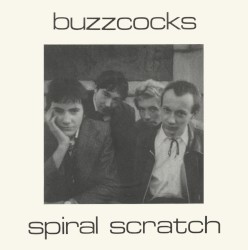
In between these live performances, Buzzcocks began developing their own material and recorded an 11-track demo at Stockport Studios which was eventually released in 1991. By the end of the year, Buzzcocks had recorded and released a four-track EP called Spiral Scratch, which they released on their own label New Hormones, making them one of the first punk groups to establish an independent record label. The EP was produced by Martin Hannett at Indigo Sound Studios; the music was roughly recorded, insistently repetitive and energetic. The EP was re-released in September 1979 and reached number 31 in the charts.
In March 1977, Devoto announced his departure from the band, expressing his dissatisfaction at the direction punk was taking in his statement: "I don't like movements. What was once unhealthily fresh is now a clean old hat". He returned to college for a year then formed a band called Magazine. Pete Shelley took on the vocal duties for Buzzcocks and moved away from social commentary to adolescent themes. Steve Diggle switched from bass to guitar, and Garth Davies—also known as Garth Smith—rejoined Buzzcocks to play bass. The band joined the Clash as support on their White Riot tour.
正文摘自英文维基百科「Buzzcocks」,按 CC BY-SA 4.0 使用;删去了参考文献、外部链接、表格和图片;篇幅所限只节选了前面一部分,全文见原条目。
资料卡
- 成立
- 1976 年
- 成立于
- 博尔顿
- 来自
- 英国
- 活跃起始
- 1976 年
- 流派
- 朋克摇滚
- 唱片公司
- I.R.S.唱片、联美
- 成员
- 皮特·谢利(1976–2018)、Steve Diggle(1976 起)、Danny Farrant(2006 起)
- 官方网站
- buzzcocks.com
资料来自 Wikidata Q939329(CC0)。
榜单和奖项里的专辑(2)
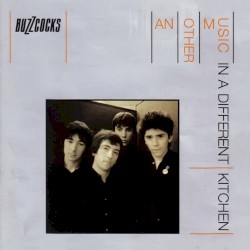
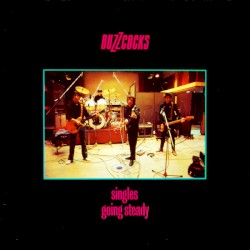
本站收录的歌(1)
曲库里的其他专辑(10)
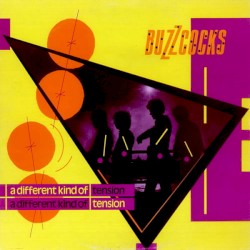
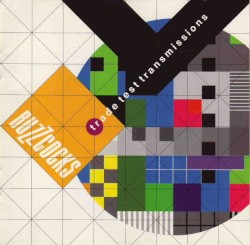
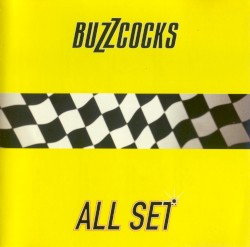
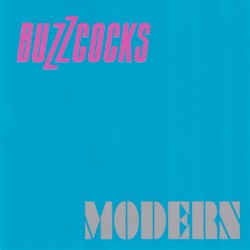
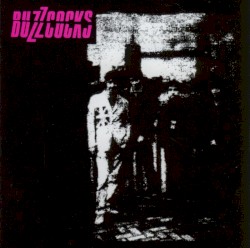
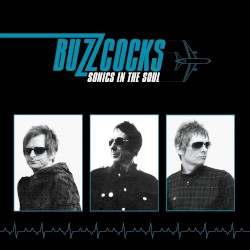
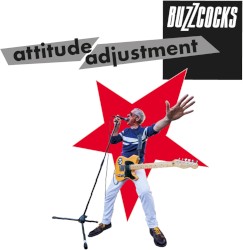
完整作品表见 MusicBrainz。
EP、单曲和其他(1)
有关联的艺人
成员、所属团体、受到的影响,来自 Wikidata。