 乐单
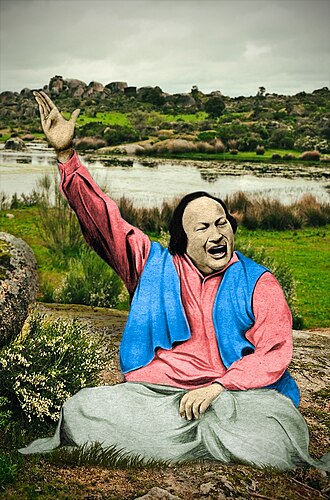
照片:Attersaab,CC BY-SA 4.0,Wikimedia Commons
努斯拉·法帖·阿里·汗
- 生卒
- 1948 – 1997
- 国家/地区
- 巴基斯坦
- 外文名
- Nusrat Fateh Ali Khan
- 流派
- 卡瓦力、加扎勒
介绍
乌斯塔德·努斯拉·法帖·阿里·汗(乌尔都语:نصرت فتح علی خان,1948年10月13日—1997年8月16日)是一名巴基斯坦歌手,苏菲派卡瓦力演唱家。他的演唱不仅享有盛誉,汗自身还具有一副绝妙的嗓音以及连续高强度演出数小时的能力。作为其家族600年卡瓦力演唱历史的继承人,他将卡瓦力这一演唱艺术推广到了国际舞台。因此,汗也有“卡瓦力皇帝”的称号。、
努斯拉·法帖·阿里·汗出生于费萨拉巴德(莱亚尔普尔),十六岁时在四十日节庆期间首次公演。自1971年起他开始担任其家族的卡瓦力合唱团的领唱。随后,他与英国伯明翰的东方之星经纪公司签订合同,并在欧洲、印度、日本、巴基斯坦以及美国等多地发行影片、专辑。汗也曾与西方艺术家们合作,进行音乐上的实验。他最终成为了一名全球闻名的音乐艺术家,并在逾四十多个国家进行过演出。
生平
1948年,努斯拉出生于巴基斯坦莱亚尔普尔的旁遮普人穆斯林家庭。其家族来自印度旁遮普邦贾朗达尔。其父法贴·阿里·汗也是一名卡瓦力演唱家。最初法贴不愿自己的儿子学习卡瓦力,而希望他从事更受尊敬的行业,如医生或工程师。但努斯拉在卡瓦力上展现出的才能最终说服了其父。1971年,努斯拉接替去世的叔父穆巴拉克成为家族合唱团领唱。在成长期间,他从父亲和叔父的录音中汲取知识,并据此发展了自己的风格。1985年,努斯拉于伦敦“音乐、艺术与舞蹈世界节(WOMAD)”上举办了演出。他还在巴黎分别于1985年和1988年演出过。1987年,在日本国际交流基金的邀请下,他初次访问了日本。1989年,努斯拉在美国纽约布鲁克林音乐学院举办演出,这为他赢得了一些美国听众。1992年至1993年,他曾在华盛顿大学的民族音乐学专业中担任访问艺术家。
他曾与彼得·加布里埃尔在1988年合作过,随后也因此与“真实世界”唱片公司签约并于之后在该公司下发行了五张专辑。1997年,努斯拉的专辑《沉醉的灵魂》获格莱美最佳传统民乐奖提名。同年,他的专辑《夜曲》获得了格莱美最佳世界音乐奖的提名。
努斯拉还在几部巴基斯坦电影中表演并为电影作曲。在其去世前,他也为三部宝莱坞电影作曲过。
1997年8月16日,努斯拉因急性心脏骤停猝死于伦敦。享年48岁。在其去世前,他的身体状况已有数个月处于不良状态。死后,他被安葬在费萨拉巴德。
荣誉
在法贴·阿里·汗25年的音乐生涯中,他获得了许多荣誉头衔。包括“乌斯塔德”(“大师”)。他普遍被认为是卡瓦力演唱历史上最重要的歌手。1987年,巴基斯坦总统因他对巴基斯坦音乐的贡献授予他奖章。1995年,汗获得了由联合国教科文组织颁发的音乐奖。1996年,他在蒙特利尔世界电影节因其对电影艺术的杰出贡献被授予奖项。同年,他还被授予了福冈亚洲文化奖。2005年,英国亚洲音乐奖赠予汗“传奇”称号。在2006年11月6日发行的时代杂志上,法帖·阿里·汗被列在了“六十年来亚洲英雄人物”中前12位之内。2010年,他被美国全国公共广播电台评为“世界歌手五十佳”之一。同年10月,CNN评选的“过去五十年最具代表性的音乐家”也将他包括在内。
流行文化
他的音乐也被用在好莱坞电影配乐上,例如: 《基督最后的诱惑》(1988)、《天生杀人狂》(1994) 以及《死囚上路》(1995)。
相关页面
拉赫·法塔·阿里·罕,努斯拉之侄。
正文摘自中文维基百科「努斯拉·法帖·阿里·汗」,按 CC BY-SA 4.0 使用;已转为简体,删去了参考文献、外部链接、表格和图片。
英文维基百科上的更多内容(英文原文,约 3,114 字符)
Ustad Nusrat Fateh Ali Khan (13 October 1948 – 16 August 1997), also known as NFAK, was a Pakistani singer, Hindustani classical vocalist, songwriter, multi-instrumentalist, composer, and music director. While primarily being associated with qawwali, a form of Sufi devotional music from Pakistan and India, he belonged to the historic Qawwal Bachchon ka Gharana (Delhi Gharana) and was trained in pure classical khayal architecture under his father Ustad Fateh Ali Khan and later uncle Ustad Mubarak Ali Khan and Ustad Salamat Ali Khan. Though widely celebrated for his qawwali performances, his standing as a master of Shastriya Sangeet (classical music) was validated by the classical community when he received the Hafiz Ali Khan Award in 1997. He ranks as one of the most influential South Asian singers of all time. Widely recognised as the "Shahanshah-e-Qawwali" (lit. 'the King of Kings of Qawwali'), he has been recognised as one of the 50 Great Voices by NPR and 200 Greatest Singers of All Time by Rolling Stone. The New York Times named Khan the greatest qawwali singer of his generation. while Credited with introducing Qawwali music to international audiences, he was known for his vocal abilities and could perform at a high level of intensity for several hours.
Born in West Punjab, Khan had his first public performance at the age of 15 at his father's chelum. He became the head of the family qawwali party in 1971 and added his unique style of sargam, khayal, and rhythm to his family's legacy. He was signed by Oriental Star Agencies, based in Birmingham, England, in the early 1980s. Khan went on to release movie scores and albums in Europe, India, Japan, Pakistan, and the United States. He engaged in collaborations and experiments with Western artists, becoming a well-known world music artist. He toured extensively, performing in over 40 countries. In addition to popularising qawwali music, he also had a profound impact on contemporary South Asian popular music, including Pakistani pop, Indian pop, and Bollywood music. He was also a master of Hindustani classical music.
Biography
Early life
Khan was born into a Punjabi Muslim family in Lyallpur in 1948. Khan's family belonged to Jalandhar. His ancestors learned music and singing there and adopted it as a profession. He was the fifth child and first son of Fateh Ali Khan, a musicologist, vocalist, instrumentalist, and qawwal. Nusrat, who had four older sisters and a younger brother, Farrukh Fateh Ali Khan, grew up in central Faisalabad. The tradition of qawwali in the family has been passed down through successive generations for almost 600 years. This qawwali tradition has also been preserved by other family members, such as his cousins Badar Miandad and Sher Miandad Khan. Initially, his father did not want Khan to follow the family's vocation. He had his heart set on Nusrat choosing a career path that commanded greater respect in society and wanted him to become a doctor or engineer because he felt qawwali artists had low social status. However, Khan showed such an aptitude for and interest in qawwali that his father finally relented.
这部分摘自英文维基百科「Nusrat Fateh Ali Khan」,按 CC BY-SA 4.0 使用;删去了参考文献、外部链接、表格和图片;篇幅所限只节选了前面一部分,全文见原条目。
资料卡
- 出生
- 1948 年 10 月 13 日
- 出生地
- 费萨拉巴德
- 去世
- 1997 年 8 月 16 日
- 去世地
- 伦敦
- 国籍
- 巴基斯坦
- 活跃起始
- 1965 年
- 活跃结束
- 1997 年
- 职业
- 歌手、作曲家、音乐教育家、storyteller、录音艺术家、音乐家
- 乐器
- 簧风琴、人声
- 流派
- 卡瓦力、加扎勒
- 唱片公司
- Real World Records、EMI、维珍、Oriental Star Agencies、Rehmat Gramophone House
- 使用语言
- 乌尔都语
- 获奖
- Pride of Performance、尼加尔电影奖、福冈亚洲文化奖(1996)、Lux Style Awards
资料来自 Wikidata Q299073(CC0)。
榜单和奖项里的专辑(1)
曲库里的其他专辑(6)
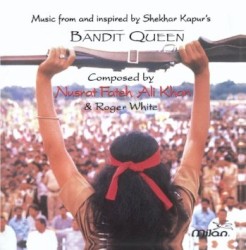
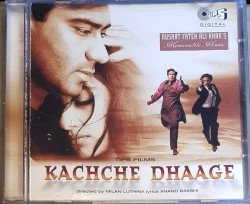
完整作品表见 MusicBrainz。