 乐单
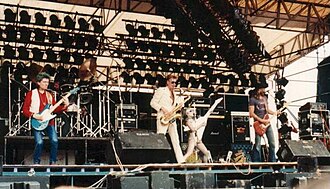
照片:Andrew King,CC BY-SA 2.0,Wikimedia Commons
鹰族雄风
- 成立 / 解散
- 1969 –
- 国家/地区
- 英国
- 外文名
- Hawkwind
- 流派
- 交响摇滚、迷幻摇滚、太空摇滚
- 成员
- Dave Brock、Tim Blake、Tim Blake、Tim Blake、Mr Dibs、Niall Hone、Dead Fred、Dead Fred、Nik Turner、Nik Turner、Huw Lloyd-Langton、Huw Lloyd-Langton
介绍
这个词条没有中文维基百科条目,下面是英文维基百科的原文。
Hawkwind are an English rock band known as one of the earliest space rock groups. Since their formation in November 1969, Hawkwind have gone through many incarnations and have incorporated many different styles into their music, including hard rock, progressive rock and psychedelic rock. They are regarded as an influential proto-punk band. Their lyrics often cover themes of urban life and science fiction.
Many musicians, dancers and writers have worked with the band since their inception. Key members of Hawkwind have included Nik Turner, Huw Lloyd-Langton, Del Dettmar, Lemmy, Simon King, Robert Calvert, Michael Moorcock, Simon House and Ginger Baker, but the band are most closely associated with their singer, songwriter and guitarist Dave Brock, who is the only remaining original member.
Hawkwind are best known for the song "Silver Machine", which became a number-three UK hit single in 1972, and they had further chart singles with "Urban Guerrilla" (another top 40 hit) and "Shot Down in the Night". The band had a run of twenty-two of their albums charting in the UK from 1971 to 1993, and another nine between 2012 and 2024.
History
1969: Formation
Dave Brock and guitarist Mick Slattery had been in the London-based psychedelic band Famous Cure, and a meeting with bassist John Harrison revealed a mutual interest in electronic music, which led the trio to embark upon a new musical venture together. Seventeen-year-old drummer Terry Ollis replied to an advert in a music weekly; Nik Turner and Michael "Dik Mik" Davies, old acquaintances of Brock, offered help with transport and gear, but were soon pulled into the band.
Slattery and Ollis were flatting in Talbot Road near All Saints Notting Hill, where bands performed in the church hall on Friday nights. On 29 August 1969 Slattery called in as the stage was being set up and asked someone if they could play a couple of numbers later. The band did not have a name yet and the best they could come up with on the night was Group X. They were given a 10 or 15 minute spot and played a 15 or 20 minute improvisation based on (by differing accounts) either the Byrds' "Eight Miles High" or John Coltrane's "India". BBC Radio 1 DJ John Peel was in the audience, and was impressed enough to tell event organiser Douglas Smith to keep an eye on them. Smith signed them up and got them a deal with Liberty Records on the back of a deal he was setting up for Cochise.
A recording session took place at Abbey Road Studios late in the year to record demos of "Hurry on Sundown" and other tracks (which were eventually included on the remastered version of the group's debut album Hawkwind). Slattery left the band after the session, and they auditioned guitarists to replace him. One of the candidates was Huw Lloyd-Langton, who had earlier worked at the Ivor Mairants Musicentre and knew Brock, who used bought guitar strings at the Musicentre. Another candidate was a guitarist from Switzerland who happened to know Lloyd-Langton's girlfriend. The job went to Lloyd-Langton.
1970–1975: United Artists era
By 1970, the band was called Hawkwind Zoo. "Hawkwind" started as Turner's nickname, as he had habits of noisy throat-clearing and spitting ("hawking") and flatulence ("wind"). According to Brock, they added "Zoo" to the name because "all of us acted like animals". The name was soon shortened to "Hawkwind".
The Pretty Things guitarist Dick Taylor was brought in to produce the 1970 debut album Hawkwind. Although it was not a commercial success, it did bring them to the attention of the UK underground scene, which found them playing free concerts, benefit gigs, and festivals. Playing free outside the Bath Festival, they encountered another Ladbroke Grove–based band, the Pink Fairies, who shared similar interests in music and drugs; a friendship developed which led to the two bands becoming running partners and performing as "Pinkwind". Their use of drugs, however, led to the departure of Harrison, who did not voluntarily partake, but had someone spike his drink with mescaline, to be replaced briefly by Thomas Crimble (about July 1970 – March 1971). Crimble played on a few BBC sessions (which were eventually collected on the album The Text of Festival) before leaving to help organise the Glastonbury Free Festival 1971; he sat in during the band's performance there. Lloyd-Langton also quit, after someone spiked his drink with LSD at the Isle of Wight Festival and he had a bad trip, followed by a nervous breakdown a while later.
正文摘自英文维基百科「Hawkwind」,按 CC BY-SA 4.0 使用;删去了参考文献、外部链接、表格和图片;篇幅所限只节选了前面一部分,全文见原条目。
资料卡
- 成立
- 1969 年
- 成立于
- 拉德伯克街
- 来自
- 英国
- 活跃起始
- 1969 年
- 流派
- 交响摇滚、迷幻摇滚、太空摇滚
- 唱片公司
- Liberty唱片、阿特科、Charisma唱片、联美唱片公司
- 成员
- Dave Brock(1969 起)、Tim Blake(1979–1980)、Tim Blake(2000–2002)、Tim Blake(2008 起)、Mr Dibs(2007 起)、Niall Hone(2008 起)、Dead Fred(1983–1984)、Dead Fred(2012 起)、Nik Turner(1969–1976)、Nik Turner(1982–1984)、Huw Lloyd-Langton(1969–1971)、Huw Lloyd-Langton(1979–1988)
- 获奖
- MOJO Awards
- 官方网站
- hawkwind.com
资料来自 Wikidata Q285966(CC0)。
榜单和奖项里的专辑(1)
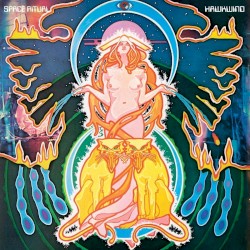
曲库里的其他专辑(34)
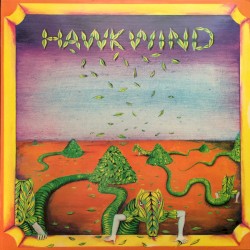
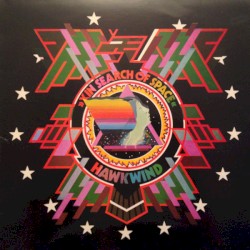
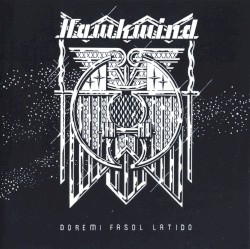
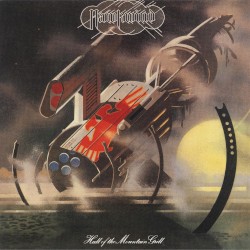
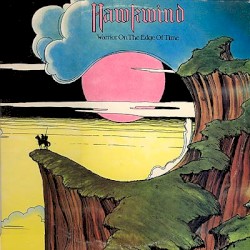
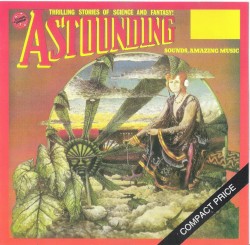
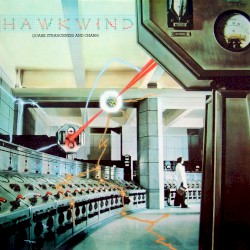
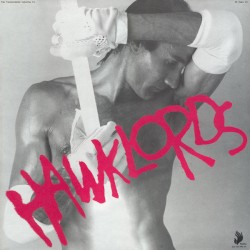
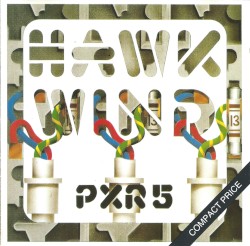
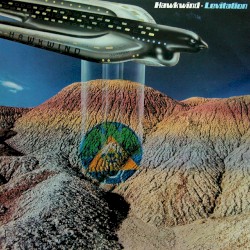
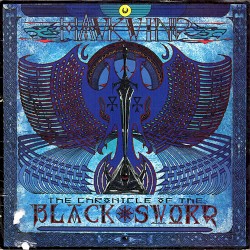
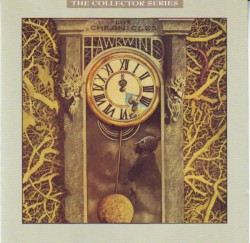
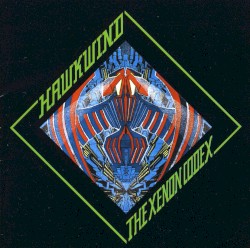
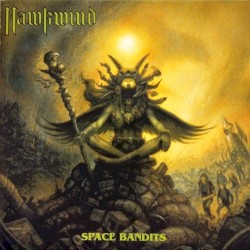
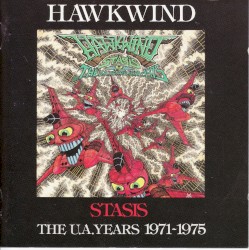
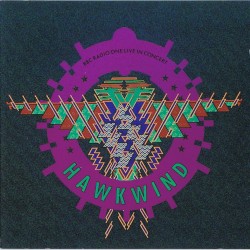
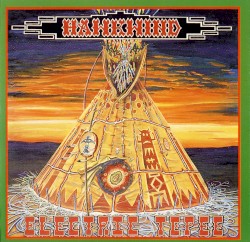
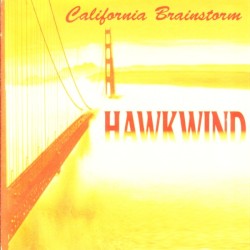
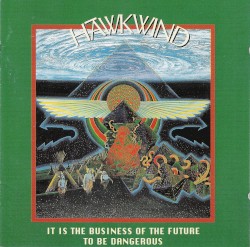
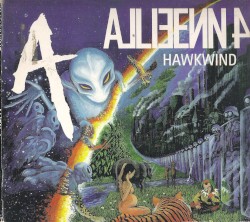
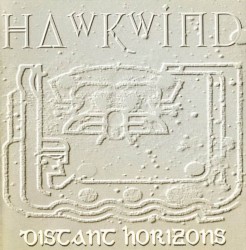
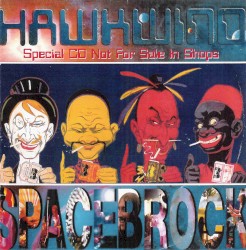
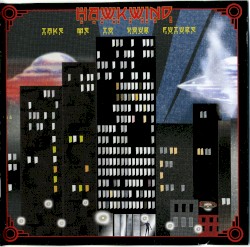
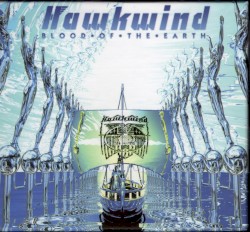
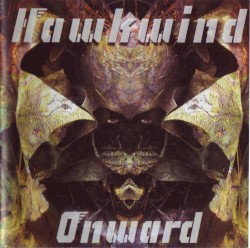
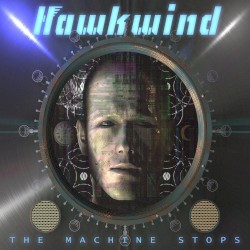
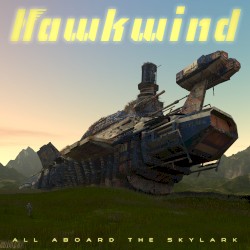
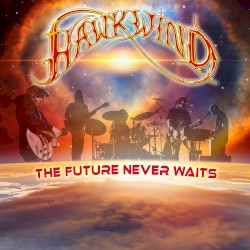
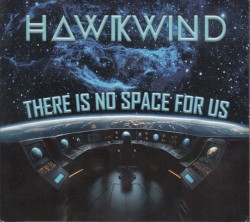
完整作品表见 MusicBrainz。
有关联的艺人
- 摩托头英国 · 1975–2015 · 重金属音乐、硬式摇滚
成员、所属团体、受到的影响,来自 Wikidata。