 乐单

照片:digboston,CC BY 2.0,Wikimedia Commons
约翰·佐恩
- 生卒
- 1953 –
- 国家/地区
- 美国
- 外文名
- John Zorn
- 流派
- 先锋爵士
介绍
这个词条没有中文维基百科条目,下面是英文维基百科的原文。
John Zorn (born September 2, 1953) is an American composer, conductor, producer, arranger and saxophonist who "deliberately resists category". Zorn's avant-garde compositions and experimental improvisations meld jazz, rock, hardcore, classical, contemporary, surf, metal, soundtrack, ambient, Jewish and world music performed by "often unexpected groups of players.. getting startling, unrepeatable results". Rolling Stone noted that "[alt]hough Zorn has operated almost entirely outside the mainstream, he's gradually asserted himself as one of the most influential musicians of our time".
Zorn re-arranged and radically orchestrated Ennio Morricone's spaghetti Western, gangster and war movie themes for The Big Gundown, released on Nonesuch Records in 1986 to critical acclaim. His following albums, Spillane (1987) and Naked City (1990) continued to merge styles and challenge formats. His alternative hardcore influenced bands, Naked City and Painkiller gained him wider exposure in the early 1990s. From 1994 until 2018, Zorn composed and recorded over three hundred Masada project compositions performed by many different ensembles.
Zorn's extensive recordings have been released through his independent Tzadik Records since 1995. Zorn has composed concert music for classical ensembles and orchestras, for opera, sound installations, film and documentary. His live performances are often highlighted at festivals featuring different ensembles interpreting his diverse repertoire.
Early life and career
Early studies
John Zorn was raised in Utopia, Queens, and studied piano, guitar and flute at the United Nations International School. Zorn's mother, Vera (née Studenski; 1918–1999), listened to classical and world music; his father, Henry Zorn (1913–1992), was interested in jazz, French chansons, and country music; and his older brother collected doo-wop and 1950s rock and roll records. Zorn spent his teenage years "listening to The Doors and playing bass in a surf band" while also exploring the experimental and avant-garde music of György Ligeti, Mauricio Kagel and Karlheinz Stockhausen and listening to cartoon soundtracks and film scores.
Zorn taught himself orchestration and counterpoint by transcribing scores and studied composition under Leonardo Balada before enrolling at Webster College where he attended lectures by Oliver Lake. While at Webster he incorporated elements of free jazz, avant-garde and experimental music, film scores, performance art and the cartoon scores of Carl Stalling into his first recordings and discovered Anthony Braxton's groundbreaking solo album For Alto which inspired him to take up the instrument. "I'm not going to sit in some ivory tower and pass my scores down to the players", said Zorn, "I have to be there with them, and that's why I started playing saxophone, so that I could meet musicians. I still feel that I have to earn a player's trust before they can play my music."
Leaving Webster after three semesters, Zorn lived on the West Coast before returning to Manhattan where he gave concerts in his apartment and other small New York venues, playing saxophone and a variety of reeds, duck calls, tapes, and other instruments. Zorn immersed himself in the underground art scene, assisting filmmaker Jack Smith with his performances and attending plays by Richard Foreman.
Early compositions and recordings
In the mid-1970s Zorn was performing experimental downtown music in New York, collaborating with other artists to develop improvisational and compositional strategies he commenced recording by the end of the decade. The 1980s saw him touring internationally and led to further independent releases in Europe and Japan before Zorn established the Tzadik record label in 1995.
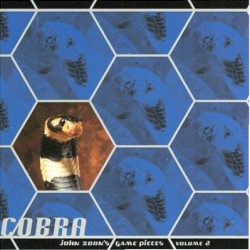
Zorn's early major compositions included many game pieces described as "complex systems harnessing improvisers in flexible compositional formats". These compositions "involved strict rules, role playing, prompters with flashcards, all in the name of melding structure and improvisation in a seamless fashion". Zorn's early game pieces had sporting titles like Lacrosse (1976), Hockey (1978), Pool (1979), and Archery (1979), which he recorded and first released on Eugene Chadbourne's Parachute label. His most enduring game piece is Cobra, composed in 1984 and first recorded in 1987 and in subsequent versions in 1992, 1994 and 2002, and revisited in performance many times.
正文摘自英文维基百科「John Zorn」,按 CC BY-SA 4.0 使用;删去了参考文献、外部链接、表格和图片;篇幅所限只节选了前面一部分,全文见原条目。
资料卡
- 艺名 / 别名
- Dekoboko Hajime
- 出生
- 1953 年 9 月 2 日
- 出生地
- 纽约
- 国籍
- 美国
- 活跃起始
- 1973 年
- 职业
- 作曲家、jazz clarinetist、jazz saxophonist、jazz pianist、音乐制作人、音乐家
- 乐器
- 萨克斯管、中音萨克斯风
- 流派
- 先锋爵士
- 唱片公司
- Tzadik Records、艾丽卡唱片
- 所属团体
- 裸体城市、Milford Graves/John Zorn Duo
- 使用语言
- 英语
- 获奖
- 麦克阿瑟天才奖(2006)
- 官方网站
- tzadik.com
资料来自 Wikidata Q298726(CC0)。
榜单和奖项里的专辑(1)
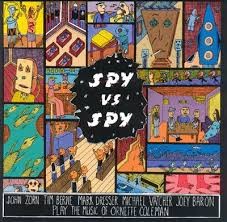
曲库里的其他专辑(30)
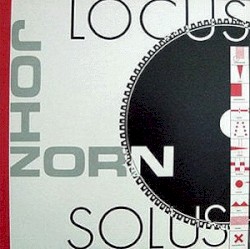
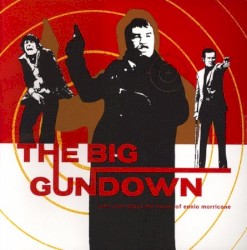
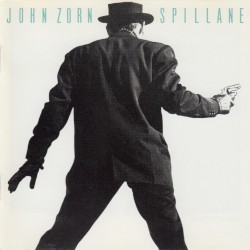
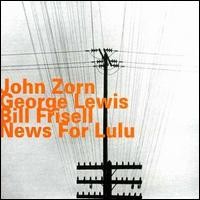
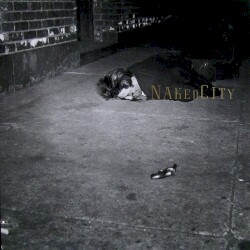
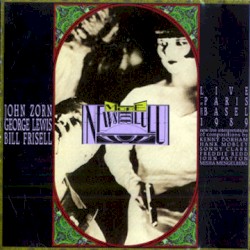
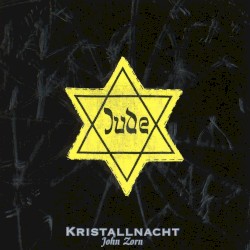

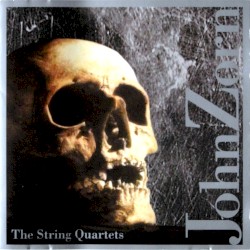


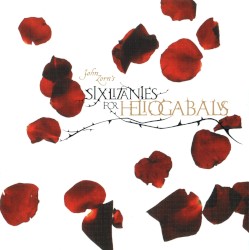
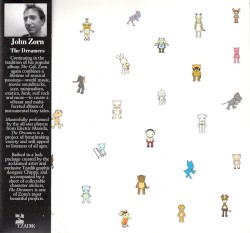
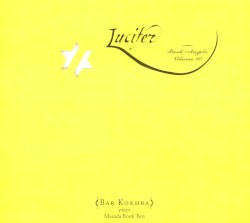
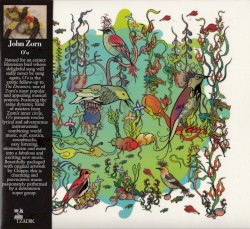
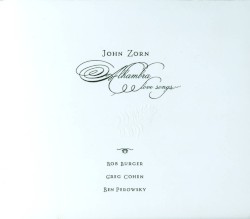

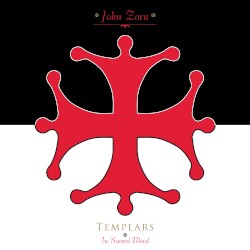
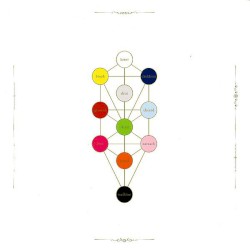
完整作品表见 MusicBrainz。
风格、年代相近的艺人
- 贝蒂·米勒美国 · 1945– · 流行音乐、摇滚乐
- 汤姆·威茨美国 · 1949– · 实验音乐、摇滚乐
- 萝贝塔·弗莱克美国 · 1937–2025 · 灵魂乐、爵士乐
- 夏卡·康美国 · 1953– · 流行音乐、灵魂乐
- 鲍比·麦菲林美国 · 1950– · 爵士乐、声乐
- 芝加哥乐队美国 · 1967– · 爵士乐、软式摇滚
- 钢铁浮标美国 · 1972– · 摇滚乐、节奏布鲁斯
- 吉尔·斯科特-赛壬美国 · 1949–2011 · 流行音乐、爵士乐
- 血汗泪合唱团美国 · 1967– · 爵士乐、摇滚乐
- 气象报告乐团美国 · 1970– · 爵士乐、融合爵士乐
- 劳拉·尼罗美国 · 1947–1997 · 流行音乐、灵魂乐
- 芭贝尔·吉尔贝托美国 · 1966– · 波萨诺瓦、爵士乐