 乐单
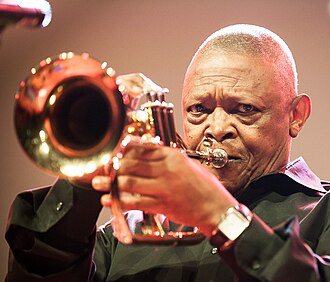
照片:WOMEX,CC BY 2.0,Wikimedia Commons
修·马沙凯拉
- 生卒
- 1939 – 2018
- 国家/地区
- 南非
- 外文名
- Hugh Masekela
- 流派
- 爵士乐、非洲音乐、cape jazz
介绍
休·拉马波洛·马塞克拉(Hugh Ramapolo Masekela,1939年4月4日—2018年1月23日) 是南非小号手、柔音号演奏家、短号演奏家、歌手和作曲家。 1968 年,他演奏的歌曲曾经登顶告示牌百大单曲榜榜首。
正文摘自中文维基百科「休·马塞克拉」,按 CC BY-SA 4.0 使用;已转为简体,删去了参考文献、外部链接、表格和图片。
英文维基百科上的更多内容(英文原文,约 3,079 字符)
Hugh Ramapolo Masekela (4 April 1939 – 23 January 2018) was a South African trumpeter, flugelhornist, cornetist, singer and composer who was described as "the father of South African jazz". Masekela was known for his jazz compositions and for writing well-known anti-apartheid songs such as "Soweto Blues" and "Bring Him Back Home". He also had a number-one US pop hit in 1968 with the song "Grazing in the Grass", which was later covered by various other artists.
Early life
Hugh Ramapolo Masekela was born in Witbank (now called Emalahleni), South Africa, to Thomas Selema Masekela, who was a health inspector and sculptor; and his wife, Pauline Bowers Masekela, a social worker. His younger sister Barbara Masekela is a poet, educator and ANC activist. As a child, he began singing and playing piano and was largely raised by his grandmother, who ran an illegal bar for miners. At the age of 14, after seeing the 1950 film Young Man with a Horn (in which Kirk Douglas plays a character modelled on American jazz cornetist Bix Beiderbecke), Masekela took up playing the trumpet. His first trumpet was bought for him from a local music store by Archbishop Trevor Huddleston, the anti-apartheid chaplain at St. Peter's Secondary School now known as St. Martin's School (Rosettenville).
Huddleston asked the leader of the then Johannesburg "Native" Municipal Brass Band, Uncle Sauda, to teach Masekela the rudiments of trumpet playing. Masekela quickly mastered the instrument. Soon, some of his schoolmates also became interested in playing instruments, leading to the formation of the Huddleston Jazz Band, South Africa's first youth orchestra. When Louis Armstrong heard of this band from his friend Huddleston he sent one of his own trumpets as a gift for Masekela. By 1956, after leading other ensembles, Masekela joined Alfred Herbert's African Jazz Revue.
From 1954, Masekela played music that closely reflected his life experience. The agony, conflict, and exploitation faced by South Africa during the 1950s and 1960s inspired and influenced him to make music and also spread political change. In his music he portrayed the struggles and sorrows, as well as the joys and passions of his country. His music protested about apartheid, slavery, government; the hardships individuals were living. Masekela reached a large population that also felt oppressed due to the country's situation.
Following a Manhattan Brothers tour of South Africa in 1958, Masekela joined the orchestra of the musical King Kong, written by Todd Matshikiza. King Kong was South Africa's first blockbuster theatrical success, touring the country for a sold-out year with Miriam Makeba and the Manhattan Brothers' Nathan Mdledle in the lead. The musical later went to London's West End for two years.
Career
At the end of 1959, Dollar Brand (later known as Abdullah Ibrahim), Kippie Moeketsi, Makhaya Ntshoko, Jonas Gwangwa, Johnny Gertze and Hugh formed the Jazz Epistles, the first African jazz group to record an LP. They performed to record-breaking audiences in Johannesburg and Cape Town from late 1959 to early 1960.
这部分摘自英文维基百科「Hugh Masekela」,按 CC BY-SA 4.0 使用;删去了参考文献、外部链接、表格和图片;篇幅所限只节选了前面一部分,全文见原条目。
资料卡
- 本名
- Hugh Ramopolo Masekela
- 出生
- 1939 年 4 月 4 日
- 出生地
- 威特班克
- 去世
- 2018 年 1 月 23 日
- 去世地
- 约翰内斯堡
- 国籍
- 南非
- 活跃起始
- 1956 年
- 活跃结束
- 2018 年
- 职业
- 小号手、作曲家、爵士音乐家、录音艺术家
- 乐器
- 柔音号、小号、人声、萨克斯管
- 流派
- 爵士乐、非洲音乐、cape jazz
- 唱片公司
- 水星唱片
- 使用语言
- 英语
- 获奖
- Etnosur award(2011)、Channel O Music Video Awards(2005)、Ghana Music Awards(2007)、Order of Ikhamanga in Gold(2010)
- 官方网站
- hughmasekela.co.za
资料来自 Wikidata Q246594(CC0)。
榜单和奖项里的专辑(1)

曲库里的其他专辑(8)
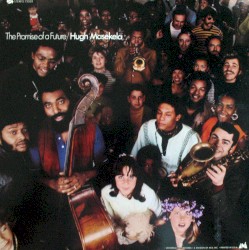
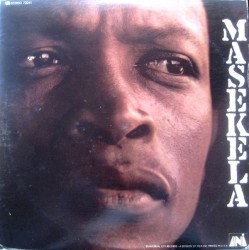
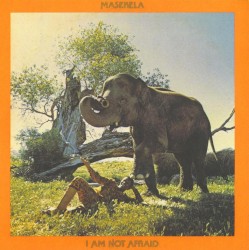
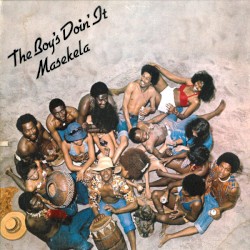
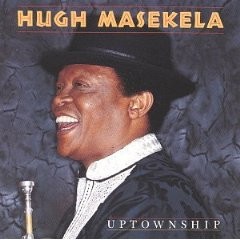
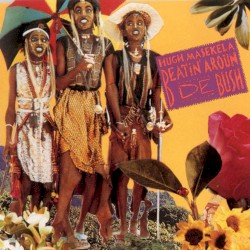
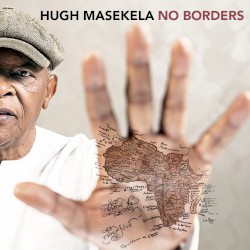
完整作品表见 MusicBrainz。