 乐单
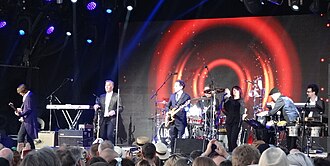
照片:Cherubino,CC BY-SA 4.0,Wikimedia Commons
ABC乐队
- 成立 / 解散
- 1980 –
- 国家/地区
- 英国
- 外文名
- ABC
- 流派
- 新浪潮、流行音乐
- 成员
- 马丁·弗莱
介绍
这个词条没有中文维基百科条目,下面是英文维基百科的原文。
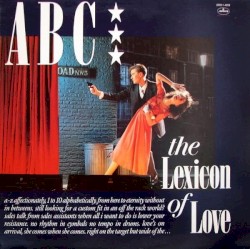
ABC are an English pop band which formed in Sheffield, South Yorkshire in 1980, evolving from the earlier electronic band Vice Versa. Associated with the new pop movement of the early 1980s, ABC blended synth-pop with disco and rock influences. The band achieved mainstream success with their debut album, The Lexicon of Love (1982), which reached number one on the UK Albums Chart and featured the hit singles "Tears Are Not Enough", "Poison Arrow", "All of My Heart" and "The Look of Love".
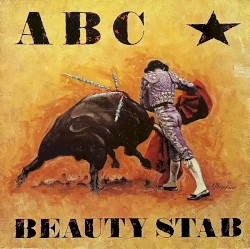
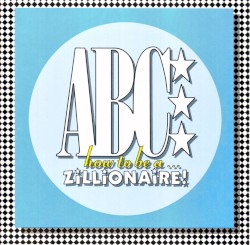
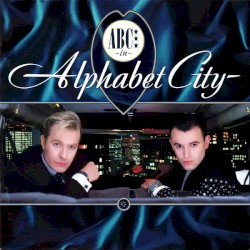
Fronted by lead vocalist Martin Fry, the band's only constant member, their classic line-up featured Fry, guitarist and keyboardist Mark White, saxophonist Stephen Singleton, and drummer David Palmer. ABC achieved ten UK and five US top 40 hit singles from 1981 to 1990. The band's early-1980s success in the US made them part of the Second British Invasion. Following The Lexicon of Love, ABC continued to release music throughout the 1980s, with notable albums including Beauty Stab (1983), which included the hit single "That Was Then but This Is Now", How to Be a ... Zillionaire! (1985), which included the hit singles "(How to Be A) Millionaire" and "Be Near Me", and Alphabet City (1987), which included the hit singles "When Smokey Sings" and "The Night You Murdered Love".
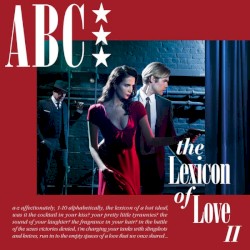
Although their commercial success declined after the 1980s, ABC have remained active through live performances, reissues, and occasional new material. In 2016, Fry released The Lexicon of Love II, a sequel to their debut studio album, which was well received by both critics and fans.
History
Formation
ABC have their roots in Vice Versa, a Sheffield electronic band formed in 1977 by synthesiser players Stephen Singleton and Mark White, with the latter on lead vocals. Their debut gig was as an opening act for the post-punk band Wire at the Outlook Club in Doncaster. They founded their own label, Neutron Records, releasing the extended play (EP) Music 4. Martin Fry, who wrote the fanzine Modern Drugs, interviewed Vice Versa and shortly afterwards they asked him to join as synthesizer player. Fry accepted and by late 1980 the band had evolved into ABC, with Fry becoming their lead vocalist. The band's last day as Vice Versa was at the Futurama 2 Festival in Leeds in September 1980; from then on they performed as ABC, with Singleton playing saxophone and White on guitar and keyboards. In the new year, Singleton and White were joined by Mark Lickley on bass guitar and David Robinson on drums.
The Lexicon of Love, Beauty Stab and How to Be a ... Zillionaire!: 1981–1985
The band's first single, "Tears Are Not Enough", made the UK top 20 in 1981. Soon afterwards, Robinson left the band and was replaced by David Palmer; Lickley departed shortly thereafter and was not replaced. In June 1982, the band released their debut studio album The Lexicon of Love, which reached number one on the UK Albums Chart. Produced by Trevor Horn, it often featured in UK critics' lists of favourite albums: it ranked 42nd in The Observer Music Monthly's "Top 100 British Albums" (June 2004) and 40th in Q magazine's "100 Greatest British Albums" (June 2000). The band had three top 10 hits during 1982: the singles "Poison Arrow", "The Look of Love" (both of which were recorded whilst Mark Lickley was still a member of the band) and "All of My Heart". Several high concept music videos were made, including the long-form spy pastiche Mantrap by Julien Temple.
Following the culmination of the Lexicon of Love tour, Palmer joined the Yellow Magic Orchestra (YMO) for a series of tour dates; shortly thereafter Fry, White and Singleton decided to reconvene in order to commence work on their next studio album, leading Palmer to depart ABC in order to honour his commitments to Yellow Magic Orchestra's tour. The remaining members found it difficult to follow up on the success of their debut. Their second studio album, Beauty Stab, was released in November 1983, produced by Gary Langan who was the engineer on The Lexicon of Love. It performed poorly in comparison to its predecessor, peaking at No. 12. The first single from the album, "That Was Then but This Is Now", briefly appeared in the UK top 20, followed by a top 40 showing for "S.O.S.". The band eschewed remixes for the project and so the 12" single for "That Was Then but This Is Now" featured the disclaimer "This record is exactly the same as the 7" version. The choice is yours."
正文摘自英文维基百科「ABC (band)」,按 CC BY-SA 4.0 使用;删去了参考文献、外部链接、表格和图片;篇幅所限只节选了前面一部分,全文见原条目。
资料卡
- 成立
- 1980 年
- 成立于
- 谢菲尔德
- 来自
- 英国
- 活跃起始
- 1980 年
- 流派
- 新浪潮、流行音乐
- 唱片公司
- EMI
- 成员
- 马丁·弗莱
- 官方网站
- abcmartinfry.com
资料来自 Wikidata Q287078(CC0)。
榜单和奖项里的专辑(1)
曲库里的其他专辑(5)
完整作品表见 MusicBrainz。