 乐单
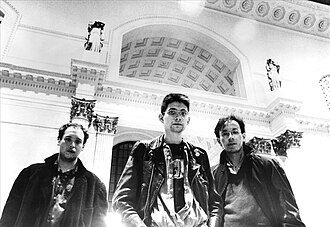
照片:Photograph by John Bohnen ("Spell it right, fucker").,Public domain,Wikimedia Commons
Big Black
- 成立 / 解散
- 1981 – 1987
- 国家/地区
- 美国
- 流派
- 另类摇滚、噪音摇滚、后硬核、后朋克
- 成员
- 史蒂夫·阿尔比尼、Jeff Pezzati、Santiago Durango、Dave Riley、Roland
介绍
这个词条没有中文维基百科条目,下面是英文维基百科的原文。
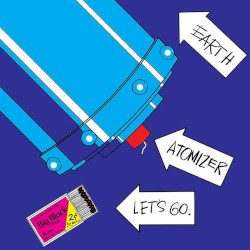
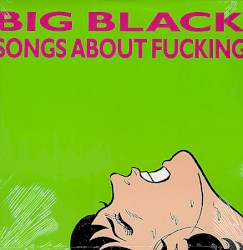
Big Black was an American punk rock band from Evanston, Illinois, active from 1981 to 1987. Founded first as a solo project by singer and guitarist Steve Albini, the band became a trio with an initial lineup that included guitarist Santiago Durango and bassist Jeff Pezzati, both of Naked Raygun. In 1985, Pezzati was replaced by Dave Riley, who played on Big Black's two full-length studio albums, Atomizer (1986) and Songs About Fucking (1987).
Big Black's aggressive and abrasive music was characterized by distinctively clanky guitars and the use of a drum machine rather than a drum kit, elements that foreshadowed industrial rock. The band's lyrics flouted commonly held taboos and dealt frankly—and often explicitly—with politically and culturally loaded topics including murder, rape, child sexual abuse, arson, racism, and misogyny. Though the band's lyrics contained controversial material, the lyrics were meant to serve as a commentary or a display of distaste for the subject matter. They were staunchly critical of the commercial nature of rock, shunning the mainstream music industry and insisting on complete control over all aspects of their career. At the height of their success, they booked their own tours, paid for their own recordings, refused to sign contracts, and eschewed many of the traditional corporate trappings of rock bands. In doing so, they had a significant impact on the aesthetic and political development of independent and underground rock music.
In addition to two studio albums, Big Black released two live albums, two compilation albums, four EPs, and five singles, all through independent record labels. Most of the band's catalog was kept in print through Touch and Go Records for years following their breakup.
History
1981–1982: Formation and Lungs
Big Black was founded by Steve Albini in 1981 during his second year of college at Northwestern University. Albini had become a fan of punk rock during his high school years in Missoula, Montana, and taught himself to play bass guitar in the fall of 1979, his senior year, while recuperating from a badly broken leg resulting from being struck by a car while riding his motorcycle. Moving to Evanston, Illinois the following year to pursue a journalism degree and fine art minor at Northwestern, Albini immersed himself in the fledgling Chicago punk scene and became a devoted fan of the band Naked Raygun. He also DJ'd for the campus radio station, from which he was repeatedly fired for playing loud and abrasive music during the morning time slot as well as not completing the required logs. He also wrote a controversial column titled "Tired of Ugly Fat?" for the Chicago zine Matter, publishing confrontational rants about the local music scene which polarized readers into either respecting or hating him.
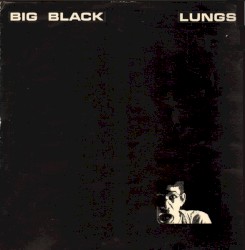
Albini began playing in college bands, including a short-lived "arty new wave" act called Stations that featured a drum machine. Seeing the advantage in a machine that could play incredibly fast without tiring, always kept a steady beat, and would follow commands exactly, he purchased a Roland TR-606 drum machine and began writing what would become the first Big Black songs. However, he was unable to find other musicians who could play the songs to his satisfaction, later stating in Forced Exposure that "I couldn't find anybody who didn't blow out of a pig's asshole." Instead, in the spring of 1981, he bought a guitar, borrowed a four-track multitrack recorder from a friend in exchange for a case of beer, and spent his spring break week recording the Lungs EP in his living room, handling the guitar, bass, and vocals by himself and programming the Roland TR-606 to provide the drum sound. Albini would come to dislike the album, regarding it as too "slavishly imitative" of personal favorites like the Cure, Killing Joke, and Cabaret Voltaire. The EP is described by Our Band Could Be Your Life author Michael Azerrad as "cold, dark, and resolutely unlistenable", with the lyrics describing child abusers and other controversial topics.
Albini named his new musical project Big Black, calling the moniker "just sort of a reduction of the concept of a large, scary, ominous figure. All the historical images of fear and all the things that kids are afraid of are all big and black, basically." He used the Lungs tape to try to enlist other musicians to the project, briefly recruiting Minor Threat guitarist Lyle Preslar who was attending Northwestern, but the two proved incompatible as musicians. Albini passed Lungs on to John Babbin of the small local label Ruthless Records, who released 1,500 copies of the EP in December 1982 with random objects such as dollar bills, used condoms, photographs of Bruce Lee, and bloody pieces of paper thrown into the inserts.
正文摘自英文维基百科「Big Black」,按 CC BY-SA 4.0 使用;删去了参考文献、外部链接、表格和图片;篇幅所限只节选了前面一部分,全文见原条目。
资料卡
- 成立
- 1981 年
- 成立于
- 埃文斯顿
- 解散
- 1987 年
- 来自
- 美国
- 活跃起始
- 1981 年
- 流派
- 另类摇滚、噪音摇滚、后硬核、后朋克
- 唱片公司
- Touch and Go唱片、Blast First、Ruthless Records
- 成员
- 史蒂夫·阿尔比尼(1982–1987)、Jeff Pezzati(1983–1984)、Santiago Durango(1983–1987)、Dave Riley(1985–1987)、Roland
- 官方网站
- petdance.com/actionpark
资料来自 Wikidata Q572821(CC0)。
榜单和奖项里的专辑(1)
曲库里的其他专辑(1)
完整作品表见 MusicBrainz。
EP、单曲和其他(3)
风格、年代相近的艺人
- 年轻岁月美国 · 1982– · 流行朋克、另类摇滚
- 雷蒙斯合唱团美国 · 1974–1996 · 朋克摇滚、流行朋克
- 金发美女美国 · 1974– · 摇滚乐、新浪潮
- 后裔乐团美国 · 1984– · 朋克摇滚、滑板朋克
- 野兽男孩美国 · 1981–2012 · 嘻哈音乐、说唱摇滚
- Talking Heads美国 · 1975– · 后朋克、新浪潮
- 不要怀疑美国 · 1986– · 摇滚乐、另类摇滚
- 甘迺迪之死美国 · 1978–1986 · 硬核朋克、朋克摇滚
- 黑旗乐队美国 · 1976– · 硬核朋克、后硬核
- Minor Threat美国 · 1980–1983 · 硬核朋克、直刃族
- Fugazi美国 · 1987– · 后硬核、艺术朋克
- Hüsker Dü美国 · 1979– · 另类摇滚、硬核朋克