 乐单
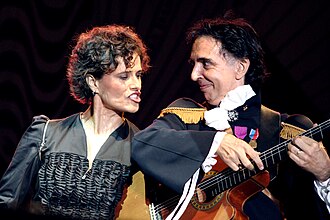
照片:Daigo Oliva from São Paulo, Brasil,CC BY-SA 2.0,Wikimedia Commons
Os Mutantes
- 成立 / 解散
- 1966 –
- 国家/地区
- 巴西
- 流派
- 巴西全域音乐
- 成员
- Sérgio Dias、丽塔·李、阿纳尔多·巴蒂斯塔、塞莉亚·邓肯、Liminha、Bia Mendes
介绍
这个词条没有中文维基百科条目,下面是英文维基百科的原文。
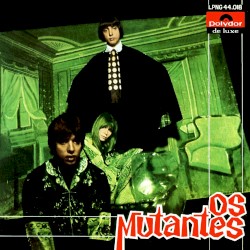
Os Mutantes (Brazilian Portuguese: [uz muˈtɐ̃tʃis], The Mutants) is a Brazilian rock band that were linked with the Tropicália movement of the late 1960s. Heavily influenced by Anglo-American psychedelic pop, they bridged Brazilian sensibilities together with studio trickery, feedback, distortion, and musique concrète. They released their now-acclaimed self-titled debut album in 1968.
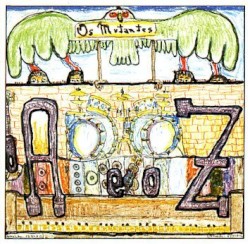
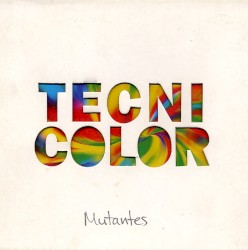
Os Mutantes formed as a trio in 1966. They backed Gilberto Gil on his 1968 self-titled album and were featured on the famous Tropicália: ou Panis et Circencis collective album that year. The group quickly became one of the main figures of the "new MPB" (popular Brazilian music) and Brazilian rock. Their 1970s work eventually moved toward progressive rock, with Lee leaving the group in 1972. They broke up in 1978. Throughout these twelve years, nine albums were recorded, although two of them – O A e o Z and Tecnicolor – were only released in the 1990s. It was during this later decade that Os Mutantes was recognized, by both national and international press, as an important act of the psychedelic era.
Although best known for its original line-up of Rita Lee, Arnaldo Baptista and Sérgio Dias, the band has gone through numerous personnel changes throughout its existence, with Dias being the band's sole consistent member; Liminha and Dinho Leme also joined the group later on. After a hiatus from the late 1970s to the early 2000s, the band reunited in 2006 without Lee, touring and recording new material.
History
Origins
Os Mutantes were formed in São Paulo in 1966 by two brothers: Arnaldo Baptista (bass, keyboards and vocals) and Sérgio Dias Baptista (guitar and vocals), and lead singer Rita Lee. They were originally named Six Sided Rockers. The Baptistas' father was a poet and mother a pianist, and the two had previously had an all-male band called The Wooden Faces, while Lee was in an all-female band called The Teenage Singers. Sérgio Dias's guitar, the Golden Guitar (Guitarra de Ouro), was created by Arnaldo and Sérgio's brother, Cláudio César Dias Baptista, who built many of their instruments and electronic effects. Their current name was settled upon immediately before a performance on a Brazilian television program and given to them by Ronnie Von . The group until then called themselves Os Bruxos (meaning The Witches, in Portuguese) and the suggestion came from the book Emperor of the Mutants, by Stefan Wul (the book's original title in French is La Mort Vivante).
Tropicália
Through other TV performances, the band was able to meet Gilberto Gil, an influential musician in the Tropicália movement, who brought them into the movement's circle. Os Mutantes released two albums heavily influenced by Tropicália, which blended psychedelic rock with other forms of art. They performed and recorded with many artists of this period, including Caetano Veloso and Gilberto Gil, before Veloso and Gil were arrested and subsequently exiled by the military government of Brazil in early 1969. During this period, Os Mutantes were also threatened by the military government of Brazil of that time.
In 1967, Os Mutantes backed Gilberto Gil when he competed in the third annual Festival of Brazilian Popular Music, making Brazilian music history by being one of the first two rock groups to participate, and Gil won second prize in the song competition with his song "Domingo no Parque" ("Sunday in the Park"). Gil's friend Caetano Veloso also performed with a rock group, São Paulo band Beat Boys, and although his unorthodox performance met with some initial resistance, he eventually won over the crowd with his song "Alegria, Alegria", which was awarded fourth place in the competition. The next year Os Mutantes collaborated with Gilberto Gil on his second solo album, and they also contributed to the manifesto work of the Tropicália movement, the landmark 1968 album Tropicália: ou Panis et Circencis (Tropicália: or Bread and Circuses) a collaborative album recorded by all the major figures in the movement, including Os Mutantes, Gilberto Gll, Caetano Veloso, Gal Costa, and Tom Zé, with orchestrations by Rogerio Duprat and lyrical contributions from Torquato Neto.
正文摘自英文维基百科「Os Mutantes」,按 CC BY-SA 4.0 使用;删去了参考文献、外部链接、表格和图片;篇幅所限只节选了前面一部分,全文见原条目。
资料卡
- 成立
- 1966 年
- 成立于
- 圣保罗
- 来自
- 巴西
- 活跃起始
- 1966 年
- 流派
- 巴西全域音乐
- 唱片公司
- 宝丽多唱片公司
- 成员
- Sérgio Dias、丽塔·李(1968–1972)、阿纳尔多·巴蒂斯塔(1968–1973)、塞莉亚·邓肯(2006–2007)、Liminha(1969–1974)、Bia Mendes(2008–2014)
资料来自 Wikidata Q1325248(CC0)。
榜单和奖项里的专辑(1)
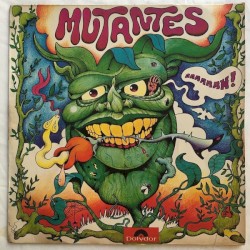
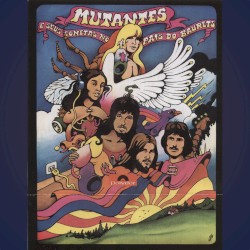
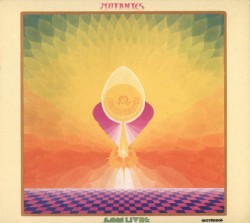
曲库里的其他专辑(10)
完整作品表见 MusicBrainz。