 乐单

照片:audrey_sel,CC BY-SA 2.0,Wikimedia Commons
Throwing Muses
- 成立 / 解散
- 1981 –
- 国家/地区
- 美国
- 流派
- 另类摇滚、后朋克
- 成员
- Tanya Donelly、Kristin Hersh、David Narcizo、Bernard Georges
介绍
这个词条没有中文维基百科条目,下面是英文维基百科的原文。
Throwing Muses are an American alternative rock band formed in 1981 in Newport, Rhode Island that toured and recorded extensively until 1997, when its members began concentrating more on other projects.
The group was originally fronted by two step-sisters, Kristin Hersh and Tanya Donelly, who both wrote the group's songs. Throwing Muses are known for performing music with shifting tempos, creative chord progressions, unorthodox song structures, and surreal lyrics. The group was set apart from other contemporary acts by Hersh's stark, candid writing style; Donelly's pop stylings and vocal harmonies; and David Narcizo's unusual drumming techniques eschewing use of cymbals.
History
1983–1986: Formation, first EP and The Doghouse Cassette, debut album
Throwing Muses were formed in 1983 by Kristin Hersh and her half-sister Tanya Donelly, who were both attending Rogers High School. They initially called themselves "Kristin Hersh and the Muses", in which they were accompanied by bass player Elaine Adamedes and drummer Becca Blumen, who later were replaced by Leslie Langston and David Narcizo, respectively. Narcizo did not originally know how to play the drums, but when Hersh told him Blumen had left the band and he could join, Narcizo said, "I had never played a drum kit before – all I'd played was marching drums and concert drums. We found somebody whose kit we could borrow, but it arrived without cymbals. I learned to play on it without cymbals which then became my trademark early on."
Throwing Muses released their debut self-titled EP in 1984 on their own Blowing Fuses label. In 1985, they released a set of demos, later known as "The Doghouse Cassette," garnering extensive coverage in the local music press. Demo producer Gary Smith of Fort Apache Studios led them to sign with 4AD, where they became the label's first American band. Kristin recalls, "I signed with them because [owner] Ivo [Watts-Russell] was funny and goofy, and that was about it." In 1986, they released their self-titled debut album produced by Gil Norton. Hersh has written the memoir Rat Girl about the year the band moved to Boston, was signed, and recorded their first album.
1987–1991: further EPs, House Tornado, Hunkpapa and The Real Ramona
In 1987, Throwing Muses released two EPs, Chains Changed and The Fat Skier, released July 6. These were followed in 1988 by their second studio album, House Tornado, produced by Gary Smith and engineered by Paul Kolderie; it was recorded at Fort Apache Studios in Cambridge, Massachusetts. The album was released internationally on the 4AD label, except in the United States, where it was released by Sire Records. Sire used a different album cover for its release, as the label was putting a strong promotional push behind the band, and label executives favored a picture of the band over the collage featured on the 4AD release. Both House Tornado and the Fat Skier were combined on a single CD in a later release. The band embarked on a tour of the UK, supported by the Pixies, to support House Tornado.
In 1989, the band released their third album, Hunkpapa, which was produced by Gary Smith and engineered by Steve Haigler. The album saw Hersh experimenting with more conventional melodic structures, although the fractious lyrics remained. The song “Dizzy” was released as a single.
In 1990, bassist Leslie Langston left and was replaced by Fred Abong. Throwing Muses recorded their fourth album, The Real Ramona during the same year. The Real Ramona is considered to have a more poppy sound than their previous records. The song "Counting Backwards" from the album was released as a single. Shortly after the album's release in 1991, Tanya Donelly left the Muses to form Belly, taking Abong with her.
1992–2002: Work as trio – Red Heaven, University, Limbo and disbandment
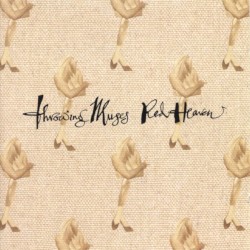
With Donelly not being replaced, Throwing Muses opted to continue as a trio, with Bernard Georges replacing Abong on bass. In 1992, the band made a fresh start recording their fifth album Red Heaven at The Power Station and Fort Apache Studios. The album was produced by Throwing Muses and Steve Boyer, and also featured guest appearances by Leslie Langston and by Hüsker Dü frontman Bob Mould (the latter duetting with Hersh on the song "Dio").
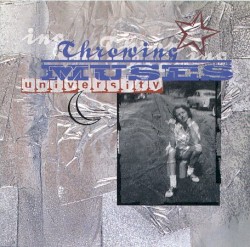
In 1993, they recorded their sixth album, University. Hersh recorded her debut album, Hips and Makers, immediately after recording finished on University. Hips and Makers was released first, in 1994, which delayed the release of University until 1995. University gave the band their first national U.S. hit, "Bright Yellow Gun". The album was favorably reviewed.
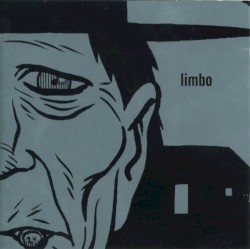
Throwing Muses released their seventh album, Limbo, which was followed by a tour. However, the band disbanded in 1997 as Kristin Hersh went on to continue her solo career.
2002–present: Reformation – Throwing Muses, Purgatory, etc.
In March 2003, Throwing Muses came back with their eighth album, Throwing Muses, which also saw the return of Tanya Donelly who provided backing vocals on the album. A greatest hits compilation titled Anthology was released in 2011. The band's ninth album, Purgatory / Paradise was released on October 29, 2013 in the UK and November 11 in the US.
正文摘自英文维基百科「Throwing Muses」,按 CC BY-SA 4.0 使用;删去了参考文献、外部链接、表格和图片;篇幅所限只节选了前面一部分,全文见原条目。
资料卡
- 成立
- 1981 年
- 成立于
- 罗得岛州
- 来自
- 美国
- 活跃起始
- 1981 年
- 流派
- 另类摇滚、后朋克
- 唱片公司
- 4AD、Sire Records
- 成员
- Tanya Donelly(1981–1991)、Kristin Hersh(1981 起)、David Narcizo(1983 起)、Bernard Georges(1992 起)
- 官方网站
- throwingmuses.com
资料来自 Wikidata Q1595152(CC0)。
榜单和奖项里的专辑(1)
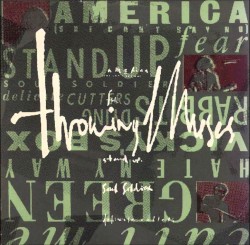
曲库里的其他专辑(9)
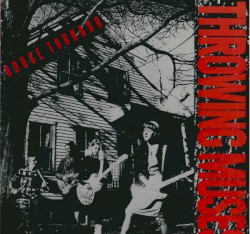
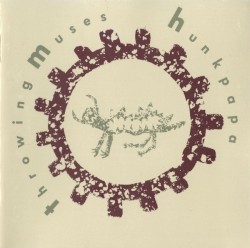
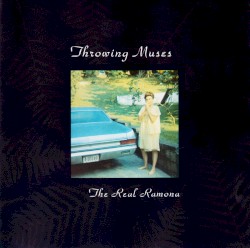

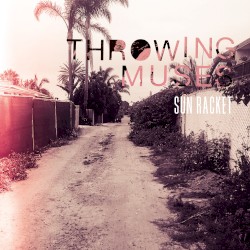
完整作品表见 MusicBrainz。
EP、单曲和其他(2)
风格、年代相近的艺人
- 年轻岁月美国 · 1982– · 流行朋克、另类摇滚
- 雷蒙斯合唱团美国 · 1974–1996 · 朋克摇滚、流行朋克
- 金发美女美国 · 1974– · 摇滚乐、新浪潮
- 后裔乐团美国 · 1984– · 朋克摇滚、滑板朋克
- 野兽男孩美国 · 1981–2012 · 嘻哈音乐、说唱摇滚
- Talking Heads美国 · 1975– · 后朋克、新浪潮
- 不要怀疑美国 · 1986– · 摇滚乐、另类摇滚
- 甘迺迪之死美国 · 1978–1986 · 硬核朋克、朋克摇滚
- 黑旗乐队美国 · 1976– · 硬核朋克、后硬核
- Minor Threat美国 · 1980–1983 · 硬核朋克、直刃族
- Fugazi美国 · 1987– · 后硬核、艺术朋克
- Hüsker Dü美国 · 1979– · 另类摇滚、硬核朋克