 乐单
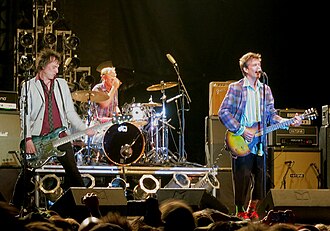
照片:Brad (bradalmanac),CC BY-SA 2.0,Wikimedia Commons
替代品合唱团
- 成立 / 解散
- 1979 –
- 国家/地区
- 美国
- 外文名
- The Replacements
- 流派
- 另类摇滚、哈特兰摇滚、流行朋克、硬核朋克、摇滚乐
- 成员
- 保罗·维斯特博格、Slim Dunlap
介绍
这个词条没有中文维基百科条目,下面是英文维基百科的原文。
The Replacements were an American rock band formed in Minneapolis, Minnesota, in 1979. The band was composed of the guitarist and vocalist Paul Westerberg, guitarist Bob Stinson, bass guitarist Tommy Stinson, and drummer Chris Mars for most of its existence. After two albums of relatively straightforward punk rock, they became among the main pioneers of alternative rock with their acclaimed albums Let It Be and Tim. Bob Stinson was kicked out of the band in 1986, and Slim Dunlap joined as lead guitarist. Steve Foley replaced Mars in 1990. Towards the end of the band's career, Westerberg exerted more control over its creative output. The group disbanded in 1991 and the members found various projects. A reunion was announced on October 3, 2012. Fans affectionately refer to the band as the 'Mats, a nickname which originated as a truncation of "The Placemats".
The Replacements' music was influenced by rock artists such as the Rolling Stones, the Beatles, Faces, Big Star, Slade, Badfinger, Creedence Clearwater Revival, and Bob Dylan as well as punk rock bands including the Ramones, the New York Dolls, the Buzzcocks, the Damned and the Sex Pistols. Unlike many of their underground contemporaries, the Replacements played "heart-on-the-sleeve" rock songs which combined Westerberg's "raw-throated adolescent howl" with self-deprecating lyrics. The Replacements were a notoriously wayward live act, often performing under the influence of alcohol and playing fragments of covers instead of their own material.
History
Formation and early years (1978–1980)
The Replacements' history began in Minneapolis in 1978, when nineteen-year-old Bob Stinson gave his eleven-year-old brother Tommy Stinson a bass guitar to keep him off the streets. In the same year, Bob met Mars, a high school dropout. With Mars playing guitar and then switching to drums, the trio called themselves "Dogbreath" and began covering songs by Aerosmith, Ted Nugent and Yes without a singer. One day as Westerberg, who was a janitor in U.S. Senator David Durenberger's office, was walking home from work he heard a band playing in the Stinsons' house. After being impressed by the band's performance, Westerberg regularly listened in after work. Mars knew Westerberg and invited him over to jam. Westerberg was unaware Mars was a drummer in Dogbreath.
Dogbreath auditioned several vocalists, including a hippie who read lyrics off a sheet. The band eventually found a vocalist, but Westerberg wanted to be the singer and took him aside one day to say, "The band doesn't like you." The vocalist left and Westerberg replaced him. Before Westerberg joined the band, Dogbreath often drank and took various drugs during rehearsals, playing songs as an afterthought. In contrast to the rest of the band, the relatively disciplined Westerberg appeared at rehearsals in neat clothes and insisted on practicing songs until he was happy with them.
"They didn't even know what punk was. They didn't like punk. Chris had hair down to his shoulders," Westerberg told an interviewer. But after the band members discovered first-generation punk bands like The Clash, The Jam, The Damned, and The Buzzcocks, Dogbreath changed its name to the Impediments and played a drunken performance without Tommy Stinson at a church hall gig in June 1980. After being banned from the venue for disorderly behavior, they changed the name to the Replacements. In an unpublished memoir, Mars later explained the band's choice of name: "Like maybe the main act doesn't show, and instead the crowd has to settle for an earful of us dirtbags... It seemed to sit just right with us, accurately describing our collective 'secondary' social esteem".
Demo tape and Twin/Tone Records (1980–1981)
The band recorded a four-song demo tape in Mars's basement; Westerberg handed it to Peter Jesperson in May 1980. Jesperson was the manager of Oar Folkjokeopus, a punk rock record store in Minneapolis; he also founded Twin/Tone Records with Paul Stark (a local recording engineer) and Charley Hallman. Westerberg originally handed in the tape to see if the band could perform at Jay's Longhorn Bar, a local venue where Jesperson worked as a disc jockey. He eavesdropped while Jesperson put the tape on, only to run away as soon as the first song, "Raised in the City", played. Jesperson played the song again and again. "If I've ever had a magic moment in my life, it was popping that tape in", said Jesperson. "I didn't even get through the first song before I thought my head was going to explode".
Jesperson called Westerberg the next day, asking, "So do you want to do a single or an album?" With the agreement of Stark and the rest of the band, the Replacements signed with Twin/Tone Records in 1980. The band's first performance at a bar was at the Longhorn on July 2, 1980. Jesperson's support of the band was welcomed and they asked him to be their manager after their second show. Later in the summer they played at the Longhorn on a Wednesday "New Band Night".
正文摘自英文维基百科「The Replacements (band)」,按 CC BY-SA 4.0 使用;删去了参考文献、外部链接、表格和图片;篇幅所限只节选了前面一部分,全文见原条目。
资料卡
- 成立
- 1979 年
- 成立于
- 明尼阿波利斯
- 来自
- 美国
- 活跃起始
- 1979 年
- 流派
- 另类摇滚、哈特兰摇滚、流行朋克、硬核朋克、摇滚乐、噪响流行、独立民谣、朋克摇滚、后朋克、学院摇滚
- 唱片公司
- Twin/Tone Records、Sire Records
- 成员
- 保罗·维斯特博格、Slim Dunlap
- 官方网站
- twintone.com/mats.html
资料来自 Wikidata Q1066024(CC0)。
榜单和奖项里的专辑(1)
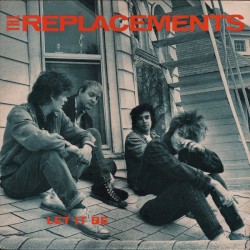
曲库里的其他专辑(8)

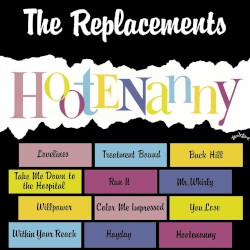
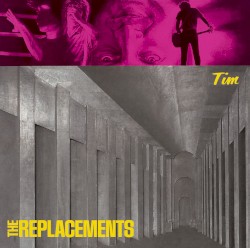
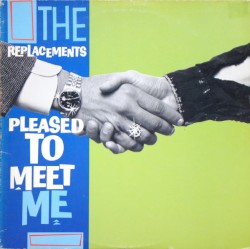
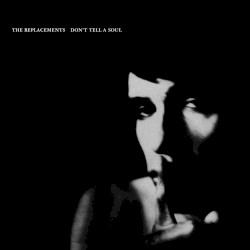
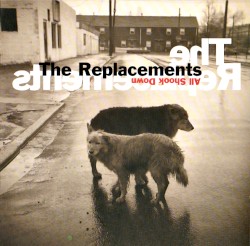
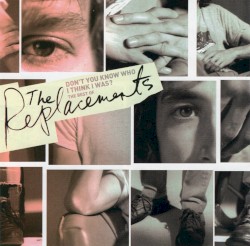
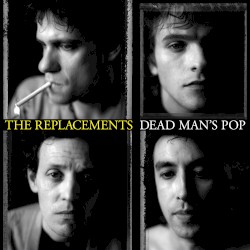
完整作品表见 MusicBrainz。
EP、单曲和其他(2)
有关联的艺人
- 年轻岁月美国 · 1982– · 流行朋克、另类摇滚
成员、所属团体、受到的影响,来自 Wikidata。
风格、年代相近的艺人
- 帕蒂·史密斯美国 · 1946– · 摇滚乐、前朋克
- 雷蒙斯合唱团美国 · 1974–1996 · 朋克摇滚、流行朋克
- 金发美女美国 · 1974– · 摇滚乐、新浪潮
- 后裔乐团美国 · 1984– · 朋克摇滚、滑板朋克
- 野兽男孩美国 · 1981–2012 · 嘻哈音乐、说唱摇滚
- Talking Heads美国 · 1975– · 后朋克、新浪潮
- 不要怀疑美国 · 1986– · 摇滚乐、另类摇滚
- 甘迺迪之死美国 · 1978–1986 · 硬核朋克、朋克摇滚
- 黑旗乐队美国 · 1976– · 硬核朋克、后硬核
- Minor Threat美国 · 1980–1983 · 硬核朋克、直刃族
- Fugazi美国 · 1987– · 后硬核、艺术朋克
- Hüsker Dü美国 · 1979– · 另类摇滚、硬核朋克