 乐单
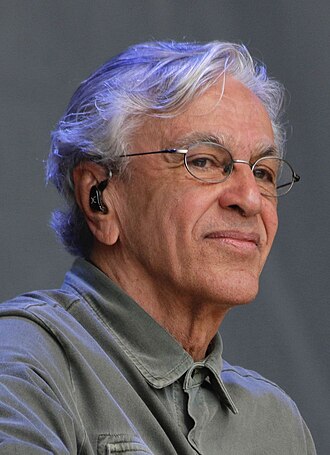
照片:Secretaría de Cultura Ciudad de México from México,CC BY 2.0,Wikimedia Commons
卡埃塔诺·维洛佐
- 生卒
- 1942 –
- 国家/地区
- 巴西
- 外文名
- Caetano Veloso
- 流派
- 巴西全域音乐、巴西音乐
介绍
卡埃塔诺·埃马努埃尔·维亚纳·特莱斯·维洛佐(葡萄牙语:Caetano Emanuel Viana Telles Veloso,葡萄牙语发音:[kaeˈtɐ̃nu emanuˈɛw viˈɐ̃nɐ ˈtɛlis veˈlozu],1942年8月7日—),一般称为卡埃塔诺·维洛佐(Caetano Veloso),生于巴西巴伊亚州圣阿马鲁,作曲家、歌手、吉他手以及政治运动者。他被称为二十世纪最伟大的词曲创作者之一。 ,有时则被称为巴西的巴布迪伦。 维洛佐以参与60年代横跨戏剧、诗词以及音乐的热带主义运动(Tropicalismo)最广为人知。
巴西政府曾经认为他的作品中具有政治倾向,逮捕了维洛佐。1969年,维洛佐流亡到英国伦敦,两年半后方归国定居。
正文摘自中文维基百科「卡耶塔諾·費洛索」,按 CC BY-SA 4.0 使用;已转为简体,删去了参考文献、外部链接、表格和图片。
英文维基百科上的更多内容(英文原文,约 3,459 字符)
Caetano Emanuel Viana Teles Veloso (Brazilian Portuguese: [kajˈtɐnu emɐnuˈɛw viˈɐnɐ ˈtɛliz veˈlozu]; born 7 August 1942) is a Brazilian singer-songwriter, musician, writer, and political activist. In the late 1960s, he helped develop Tropicália, a Brazilian musical movement that combined Brazilian popular music with rock and roll and avant-garde influences. Along with Gilberto Gil, Gal Costa, Tom Zé, and Os Mutantes, he participated in the 1968 collaborative album Tropicália: ou Panis et Circencis, which became a musical manifesto of the movement.
Veloso's anti-authoritarian political stance brought him into conflict with the Brazilian military dictatorship, which censored and banned some of his songs. He and Gil were arrested and eventually released on condition that they leave Brazil. They lived in exile in London before Veloso returned to Brazil in 1972. His subsequent work combined international musical styles with Brazilian folkloric traditions, and his popularity expanded outside Brazil during the 1980s.
Veloso has continued to record and perform internationally. He has received nine Latin Grammy Awards and two Grammy Awards, and in 2012 was named the Latin Recording Academy Person of the Year.
Biography
Veloso was born in Santo Amaro da Purificação, Bahia, Brazil, the fifth of seven children of José Teles Veloso (1901–1983) and Claudionor Viana Teles Veloso (1907–2012). His childhood was influenced greatly by artistic endeavors: he was interested in both literature and filmmaking as a child, but focused mainly on music. The musical style of bossa nova and João Gilberto, one of its most prominent exponents, were major influences on Veloso's music as he grew up. Veloso was 17 years old when he first heard Gilberto, whom he describes as his "supreme master". He recognizes Gilberto's contribution to Brazilian music as new—"illuminating" the tradition of Brazilian music and paving the way for future innovation. Veloso moved to the Bahian port city of Salvador as a teenager, the city in which Gilberto lived, and a center of Afro-Brazilian culture and music.
In 1965, Veloso moved again to Rio de Janeiro, with his sister Maria Bethânia, also a musician. Shortly after the move, Veloso won a lyrics contest for his composition "Um Dia" and was signed to Philips Records. On 21 October 1967, Veloso won fourth prize and gained a standing ovation at the third annual Brazil Popular Music Festival with his song "Alegria, Alegria". on which he was backed by São Paulo group Beat Boys; along with the performance of his friend Gilberto Gil, who was backed by psychedelic band Os Mutantes, this marked the first time that rock bands had performed at the festival. During this period, Veloso, Bethânia, Gilberto Gil, Gal Costa, Tom Zé, and Os Mutantes developed "Tropicalismo", which fused Brazilian pop with rock and roll and avant-garde music. Veloso describes the movement as a wish to be different - not "defensive" like the right-wing Brazilian military government, which vehemently opposed the movement. Although Gil and Veloso's performances at the 1967 MBP Festival were rapturously received, within a year, Tropicalismo had become a deeply divisive issue among Brazil's youth audience, with Marxist-influenced college students of the Brazilian left wing condemning Tropicalismo, because they believed it commercialized Brazilian traditional music by incorporating musical influence from other cultures, specifically the United States.
这部分摘自英文维基百科「Caetano Veloso」,按 CC BY-SA 4.0 使用;删去了参考文献、外部链接、表格和图片;篇幅所限只节选了前面一部分,全文见原条目。
资料卡
- 出生
- 1942 年 8 月 7 日
- 出生地
- 圣阿马鲁
- 国籍
- 巴西
- 活跃起始
- 1967 年
- 职业
- 作家、政治人物、歌手、吉他手、爵士吉他手、创作歌手、音乐制作人、电影导演、作曲家、音乐家、乐队领队
- 乐器
- 吉他、人声
- 流派
- 巴西全域音乐、巴西音乐
- 唱片公司
- RCA唱片、飞利浦唱片、水星唱片、环球唱片
- 使用语言
- 葡萄牙语、巴西葡萄牙语、意大利语、英语、西班牙语
- 获奖
- 文化功绩勋章(2004)、Commander of the Order of Prince Henry、Latin Recording Academy Person of the Year(2012)、Latin Grammy Award for Best Singer-Songwriter Album(2007)、Latin Grammy Award for Best Singer-Songwriter Album(2013)、Latin Grammy Award for Best Singer-Songwriter Album(2009)、拉丁格莱美奖年度制作(2021)、Brazilian Music Awards、honorary doctorate of the University of Salamanca(2023)、艺术功劳奖(2005)、Latin Grammy Hall of Fame(2001)、Medal of Cultural Merit(2023)
- 官方网站
- caetanoveloso.com.br
资料来自 Wikidata Q309983(CC0)。
榜单和奖项里的专辑(1)
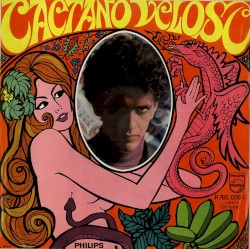
曲库里的其他专辑(24)
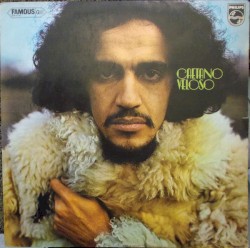
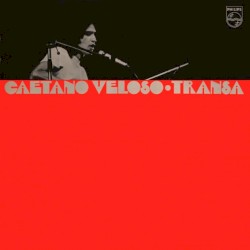
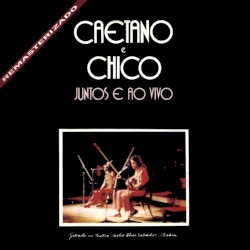
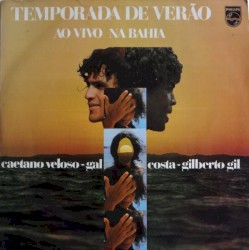
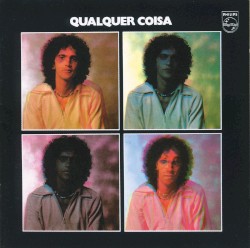
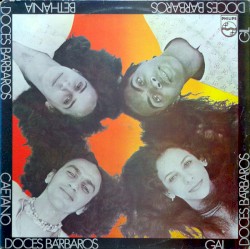
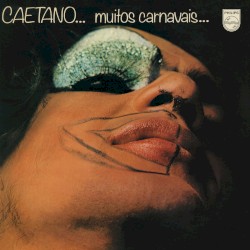
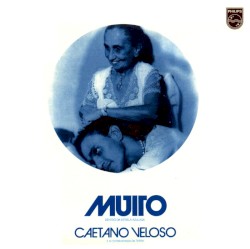
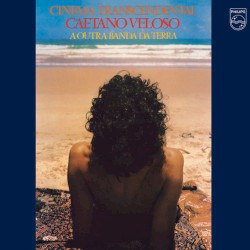
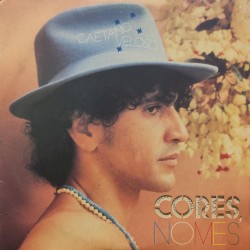
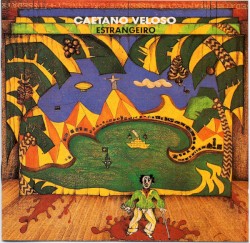
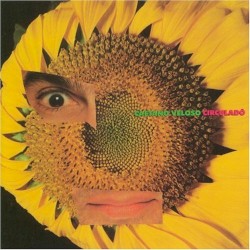
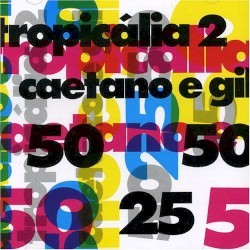
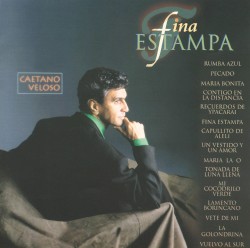
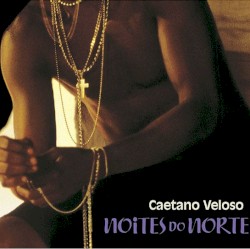
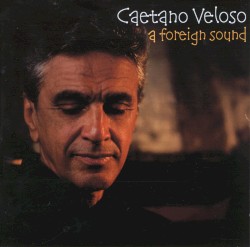
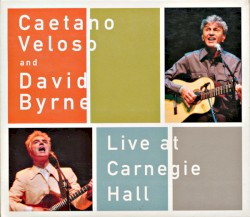
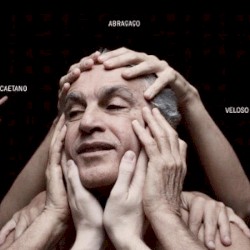
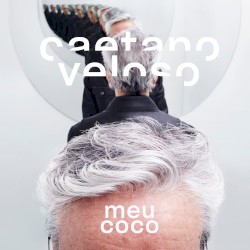

完整作品表见 MusicBrainz。