 乐单
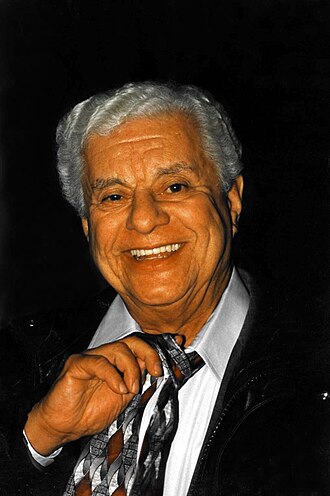
照片:Kingkongphoto & www.celebrity-photos.com from Laurel M…,CC BY-SA 2.0,Wikimedia Commons
蒂托·普恩特
- 生卒
- 1923 – 2000
- 国家/地区
- 美国
- 外文名
- Tito Puente
- 流派
- 拉丁美洲音乐、骚沙音乐
介绍
埃内斯特·安东尼·普恩特 (Ernest Anthony Puente Jr. ,1923年4月20日 - 2000年5月31日) 俗称蒂托·普恩特(Tito Puente),是一位美国音乐家、词曲作家、乐队领队和音乐制作人。父母是波多黎各移民。他曾客串出演过包括芝麻街和辛普森一家在内的多档电视节目。
正文摘自中文维基百科「蒂托·普恩特」,按 CC BY-SA 4.0 使用;已转为简体,删去了参考文献、外部链接、表格和图片。
英文维基百科上的更多内容(英文原文,约 2,992 字符)
Ernest Anthony Puente Jr. (April 20, 1923 – May 31, 2000), commonly known as Tito Puente, was an American musician, songwriter, bandleader, timbalero, vibraphonist and record producer. He composed dance-oriented mambo and Latin jazz music. He was also known as "El Rey de los Timbales," or "The King of the Timbales."
Puente and his music have appeared in films including The Mambo Kings and Fernando Trueba's Calle 54. He guest-starred on television shows, including Sesame Street and The Simpsons episode "Who Shot Mr. Burns?".
Early life
Puente was born on April 20, 1923, at Harlem Hospital Center in the New York borough of Manhattan, the son of Ernesto and Felicia Puente, Puerto Ricans living in New York City's Spanish Harlem. His family moved frequently, but he spent the majority of his childhood in Spanish Harlem. Puente's father was the foreman at a razor blade factory. His family called him Ernestito (Spanish diminutive for 'Ernest'), which became shortened to "Tito".
Puente was first introduced to music through the radio. Described as a hyperactive child, neighbors complained hearing seven-year-old Puente beating on pots and window frames, so his mother sent him to 25-cent piano lessons. He switched to percussion by the age of 10, drawing influence from jazz drummer Gene Krupa. He later created a song-and-dance duo with his sister Anna in the 1930s and intended to become a dancer, but an ankle tendon injury prevented him from pursuing dance as a career. Puente also learned from the trios and bambas that played at Plaza San Jose in old San Juan. He heard mambo (now called salsa) music and was influenced by its Afro-Cuban roots. By 13, Puente was considered a prodigy. When he was 16, he played with Ramon Oliver's band. When the drummer in Machito's band was drafted to the army, Puente subsequently took his place.
Career
Styles and Influences
Puente had distinct Asian influences in his composition and arranging style, all of which came after his service during World War II. After finishing his time in the Navy, Puente attended the Juilliard School of Music to study conducting and orchestration. His conducting teacher was Japanese, further influencing the Asian elements in his compositions. Throughout the rest of his career, Puente traveled to Japan many times while on tour. He said that if it was not for war, he would have never been exposed to their music and culture. "Even in war, [the power of] music, art, dancing, food… always eventually wins."Puente's introduction to music was jazz drumming with an African American show drummer he remembers as Mr. Williams. During this time, he also learned acrobatic tap and ballroom dancing. Puente introduced new techniques to some percussion instruments that would help redefine how they were used in music. For example, while learning vibraphone and marimba, he introduced piano techniques. He also applied his jazz training to timbales, which was unlike anything that had been done before. This helped redefine the timbales as a solo instrument.
这部分摘自英文维基百科「Tito Puente」,按 CC BY-SA 4.0 使用;删去了参考文献、外部链接、表格和图片;篇幅所限只节选了前面一部分,全文见原条目。
资料卡
- 本名
- Ernesto Antonio Puente
- 出生
- 1923 年 4 月 20 日
- 出生地
- 纽约
- 去世
- 2000 年 5 月 31 日、2000 年 6 月 1 日
- 去世地
- 纽约
- 国籍
- 美国
- 职业
- 演员、乐队领队、指挥家、作曲家、salsa musician、打击乐手、录音艺术家、音乐家
- 乐器
- 天巴雷鼓、颤音琴、人声、定音鼓
- 流派
- 拉丁美洲音乐、骚沙音乐
- 唱片公司
- 法尼亚唱片、天科唱片
- 使用语言
- 英语、西班牙语
- 获奖
- 国家艺术奖章、格莱美终身成就奖(2003)、Library of Congress Living Legend(2000 起)、Billboard Latin Music Lifetime Achievement Award(1995)、格莱美最佳拉丁乐录制(1979)、格莱美最佳热带拉丁专辑(1984)、格莱美最佳热带拉丁专辑(1991)、格莱美最佳热带拉丁专辑(2000)、Latin Grammy Award for Best Traditional Tropical Album(2000)、Latin Grammy Award for Best Traditional Tropical Album(2001)、International Latin Music Hall of Fame(1999)、Latin Songwriters Hall of Fame(2016)
资料来自 Wikidata Q317122(CC0)。
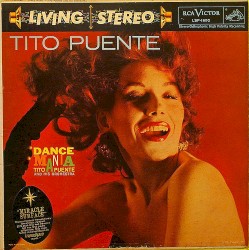
榜单和奖项里的专辑(1)
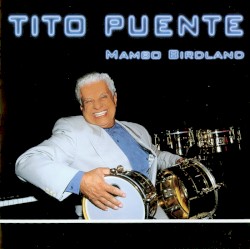
曲库里的其他专辑(1)
完整作品表见 MusicBrainz。