 乐单

照片:Tore Sætre,CC BY-SA 4.0,Wikimedia Commons
阿卜杜拉·易卜拉欣
- 生卒
- 1934 – 2026
- 国家/地区
- 南非
- 外文名
- Abdullah Ibrahim
- 流派
- 爵士乐、cape jazz、咆勃爵士乐、Afro-jazz、后波普
介绍
这个词条没有中文维基百科条目,下面是英文维基百科的原文。
Abdullah Ibrahim (born Adolph Johannes Brand; 9 October 1934 – 15 June 2026), previously known as Dollar Brand, was a South African pianist and composer. His music reflects many of the musical influences of his childhood in the multicultural port areas of Cape Town, ranging from traditional African songs to the gospel of the AME Church and Ragas, to more modern jazz and other Western styles. Ibrahim is considered the leading figure in the subgenre of Cape jazz. Within jazz, his music particularly reflects the influence of Thelonious Monk and Duke Ellington. He is known especially for "Mannenberg", a jazz piece that became an anti-apartheid anthem.
During the apartheid era in the 1960s, Ibrahim moved to New York City and, apart from a brief return to South Africa in the 1970s, remained in exile until the early 1990s. Over the decades, he toured the world extensively, appearing at major venues either as a solo artist or playing with other renowned musicians, including Max Roach, Carlos Ward, and Randy Weston, as well as collaborating with classical orchestras in Europe.
With his wife, the jazz singer Sathima Bea Benjamin, Ibrahim was father to two children, including the New York underground rapper Jean Grae.
Early life and national career
Ibrahim was born in Cape Town, South Africa, on 9 October 1934, and was baptized Adolph Johannes Brand. He attended Trafalgar High School in Cape Town's District Six, and began piano lessons at the age of seven, making his professional debut at 15. He was of mixed-race heritage, making him a Coloured person according to the apartheid system. His mother played piano in a church, the musical style of which would remain an influence on him; in addition, he learned to play several genres of music during his youth in Cape Town, including marabi, mbaqanga, and American jazz. He became well known in jazz circles in Cape Town and Johannesburg.
In 1959 and 1960, Ibrahim played with the Jazz Epistles group in Sophiatown, alongside saxophonists Kippie Moeketsi and Mackay Davashe, trumpeter Hugh Masekela, trombonist Jonas Gwangwa (who were all in the orchestra of the musical King Kong that opened in Johannesburg in February 1959), bassist Johnny Gertze and drummer Makaya Ntshoko; in January 1960, the six musicians went into the Gallo studio and recorded the first full-length jazz LP by Black South African musicians, Jazz Epistle Verse One, with 500 copies being produced. Although the group avoided explicitly political activity, the apartheid government was suspicious of it and other jazz groups, and targeted them heavily during the increase in state repression following the Sharpeville massacre in March 1960, and eventually, the Jazz Epistles broke up.
Early international career
Ibrahim moved to Europe in 1962. In February 1963, his wife-to-be, Sathima Bea Benjamin (they married in 1965), convinced Duke Ellington, who was in Zürich, Switzerland, on a European tour, to come to hear Ibrahim perform as "The Dollar Brand Trio" in Zurich's "Africana Club". After the show, Ellington helped set up a recording session with Reprise Records: Duke Ellington presents The Dollar Brand Trio. Ibrahim subsequently played at many European festivals.
Ibrahim and Benjamin married and moved to New York in 1965 and that year Ibrahim played at the Newport Jazz Festival, followed by a first tour through the United States; in 1966, he substituted for Duke Ellington on five dates, leading the Duke Ellington Orchestra. In 1967, a Rockefeller Foundation grant enabled Ibrahim to study at the Juilliard School of Music in New York. While in the U.S., he interacted with many progressive musicians, among them Don Cherry, Ornette Coleman, John Coltrane, Pharoah Sanders, Cecil Taylor, and Archie Shepp. As the Black Power movement developed in the 1960s and 1970s, it influenced a number of Ibrahim's friends and collaborators, who began to see their music as a form of cultural nationalism. Ibrahim, in turn, began to incorporate African elements into his jazz.
Return to South Africa
In 1968, Ibrahim briefly returned to Cape Town, where he converted to Islam that year (with the resultant change of name from Dollar Brand to Abdullah Ibrahim) and in 1970 he made a pilgrimage to Mecca.
正文摘自英文维基百科「Abdullah Ibrahim」,按 CC BY-SA 4.0 使用;删去了参考文献、外部链接、表格和图片;篇幅所限只节选了前面一部分,全文见原条目。
资料卡
- 本名
- Adolph Johannes Brand
- 艺名 / 别名
- Dollar Brand
- 出生
- 1934 年 10 月 9 日
- 出生地
- 开普敦
- 去世
- 2026 年 6 月 15 日
- 去世地
- 基姆湖畔普林
- 国籍
- 南非
- 职业
- 爵士音乐家、作曲家、钢琴家、萨克斯管演奏家、录音艺术家、音乐家
- 乐器
- 萨克斯管、钢琴、人声、高音萨克斯管
- 流派
- 爵士乐、cape jazz、咆勃爵士乐、Afro-jazz、后波普、民俗音乐
- 唱片公司
- Enja Records
- 使用语言
- 阿非利卡语、英语
- 获奖
- 爵士大师奖、Order of Ikhamanga in Silver(2009)
- 官方网站
- abdullahibrahim.co.za
资料来自 Wikidata Q317677(CC0)。
榜单和奖项里的专辑(1)
曲库里的其他专辑(5)
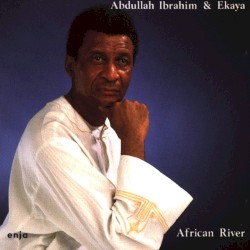
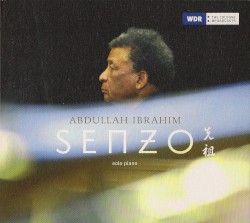
完整作品表见 MusicBrainz。
风格、年代相近的艺人
- 琼·贝兹美国 · 1941– · 民俗音乐、乡村音乐