乐单
伊帕内玛姑娘 (1962)
- 演唱
- 安东尼奥·卡洛斯·若宾、若昂·吉尔贝托、The Cariocas
- 发行
- 1962
- 收录于
- 盖茨与吉尔贝托
- 作曲
- 安东尼奥·卡洛斯·若宾
- 作词
- 维尼修斯·德莫赖斯
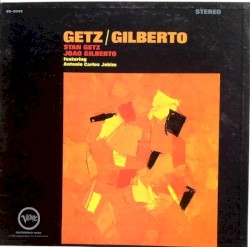
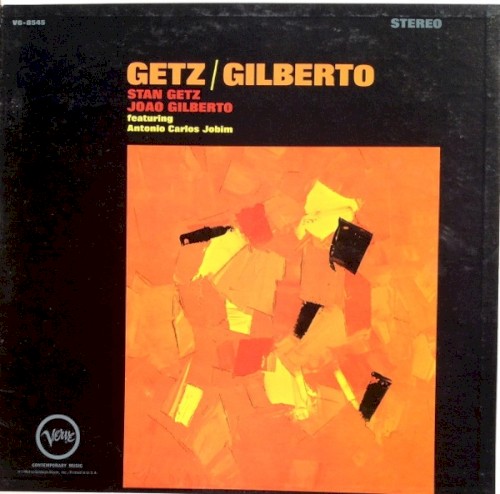
封面是收录这首歌的专辑封面。
介绍
《伊帕内玛姑娘》(葡萄牙语:Garota de Ipanema,英语:"The Girl From Ipanema"),或称《来自伊帕尼玛的女孩》,是安东尼奥·卡洛斯·若宾在1962年创作的著名波萨诺瓦歌曲。它最初由巴西诗人维尼修斯·迪莫赖斯以葡萄牙语填词,背景位在巴西里约热内卢近郊的伊帕内马。
歌曲在1962年首度进行商业录制;1963年3月19日,神韵唱片录制由巴西歌手、吉他手若昂·吉尔贝托和美国次中音萨克斯风手斯坦·盖茨演奏的版本,收录在1964年密纹唱片专辑《盖茨与吉尔贝托》,甫推出便获得巨大回响。此外,吉尔贝托的妻子、巴西歌手阿斯特鲁德·吉尔贝托所演绎的版本也广受好评,并获得1965年格莱美奖的年度制作奖项。
历史
伊帕内马是里约热内卢南部境内的一个非常有名的海边社区。
这首歌其先是为了音乐喜剧《飞艇》(葡萄牙语:Dirigível)而编曲的,后来在Vinícius de Moraes手中初见雏型。最初的歌名是叫《路过的女孩》(葡萄牙语:Menina que Passa), 而且第一段和现在也是不一样的。Jobim在他当时在伊帕内玛Rua Barão da Torre的新家里的钢琴上,完成了谱曲的工作;而紧接着,Moraes也在靠近里约不远的Petrópolis写成了此曲的歌词,那时在他完成“Chega de Saudade”(“No More Blues”)的六年之前。
若昂·吉尔贝托、安东尼奥·卡洛斯·若宾和斯坦·盖茨在纽约的录制期间,一个要录制一个英文版本的念头冒了出来。若昂的妻子, 阿斯特鲁德·吉尔贝托, 是当时几人中唯一一个英语说得好的巴西人,所以自然而然由她来演唱。他们惊讶地发现,她的嗓音毫无专业歌手的矫揉造作,与这首歌契合真是再完美不过了。
作者写就这首歌其实是受一个名叫埃洛伊萨·埃内达·梅内塞斯·帕埃斯·平托(现名叫埃洛·皮涅罗)的姑娘的启发。当时她只有19岁,住在伊帕尼玛的Montenegro上。每天, 她都会漫步经过Veloso咖啡吧,不仅仅是走向海滩(“每一天当她走向大海”),更是走在她生命的道路上。有时,她会走进咖啡吧,给她的妈妈买上一支雪茄,走的时候再吹一声口哨。 正是在1962年的冬天,作曲家遇到了这个女孩,并以此为启发,写下了这首曲子。随着歌曲的流行,女孩也成为了当地的名人。
在《揭秘:一个真实的伊帕尼玛女孩》(葡萄牙语:Revelação: a verdadeira Garota de Ipanema)一书中,Moraes写道:她是“里约热内卢当地人一个典型:一个拥有黄金豆蔻年华的姑娘,是花朵与美人鱼的结合,充满了阳光与优雅,而她的目光却又带着忧伤,在她所背负的里面,在她每天走向大海的必经之路,你能感觉到那正在消逝的青春。那种美丽不单是我们自己的,更是那美好又带着忧郁地很久起伏流逝的生命所赠予我们的礼物。”
正文摘自中文维基百科「伊帕內瑪姑娘」,按 CC BY-SA 4.0 使用;已转为简体,删去了参考文献、外部链接、表格和图片。
英文维基百科上的更多内容(英文原文,约 3,461 字符)
"Garota de Ipanema" (Portuguese pronunciation: [ɡaˈɾotɐ dʒipɐ̃ˈnemɐ]), or "The Girl from Ipanema", is a Brazilian bossa nova and jazz song. It was a worldwide hit in the mid-1960s and won a Grammy for Record of the Year in 1965. It was written in 1962, with music by Antônio Carlos Jobim and Portuguese lyrics by Vinícius de Moraes, with English lyrics written later by Norman Gimbel.
The first commercial recording was in 1962 by Pery Ribeiro. The Stan Getz recording, featuring the vocal debut of Astrud Gilberto, became an international hit. This version had been shortened from the version on the album Getz/Gilberto (recorded in March 1963, released in March 1964), which had also included the Portuguese lyrics sung by Astrud's then-husband João Gilberto. In the US, the single peaked at number five on the Billboard Hot 100, and went to number one for two weeks on the Easy Listening chart. Overseas, it peaked at number 29 on the UK singles chart and charted highly throughout the world.
Numerous recordings have been used in films, sometimes as an elevator music cliché. It is believed to be the second-most-recorded pop song in history, after "Yesterday" by the Beatles. In 2000, the 1964 release by Stan Getz and Astrud Gilberto on Verve Records was inducted into the Grammy Hall of Fame. It was inducted into the Latin Grammy Hall of Fame in 2001. In 2004, it was one of 50 recordings chosen that year by the Library of Congress to be added to the National Recording Registry.
History
The song was composed for a musical comedy titled Dirigível (Airship), then a work-in-progress by Vinicius de Moraes. The original title was "Menina que Passa" ("The Girl Who Passes By"); the first verse was different. Jobim composed the melody on his piano in his new house in Rua Barão da Torre, in Ipanema. Moraes wrote the lyrics in Petrópolis, near Rio de Janeiro, as he had done with "Chega de Saudade" ("No More Blues") six years earlier. While firmly rooted in bossa nova, "The Girl from Ipanema" includes influences from blues and Tin Pan Alley.
During a recording session in New York City with João Gilberto, Antônio Carlos Jobim, and Stan Getz, the idea of cutting an English-language version came up. Norman Gimbel wrote the English lyrics. João's wife, Astrud Gilberto, was the only one of the Brazilians who could speak English well, and was chosen to sing. Her voice, without any of the mannerisms of trained singers, proved a perfect fit for the song. She was never credited, though, nor did she receive any royalties, and was paid only $120 for her part.
The key in which the song is played has varied depending upon the origin of the recording. While the original Ribeiro version was in the key of G, most Brazilian performances use D♭, and most American versions use F. Astrud Gilberto and Getz appear as themselves and perform the song in the 1964 film Get Yourself a College Girl.
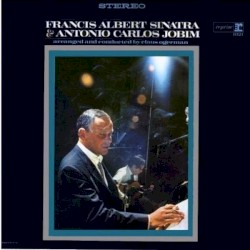
Frank Sinatra recorded the song with Jobim in 1967 for their album Francis Albert Sinatra & Antônio Carlos Jobim. Ella Fitzgerald recorded it for her two-disc set of Brazilian music Ella Abraça Jobim, released by Pablo Today in 1981. Ethel Ennis and Nat King Cole have also both recorded the song. A version by Gary Criss titled "The Girl From Ipanema / Brazilian Nights" from his album Rio De Janeiro reached number 19 in the Canadian RPM dance charts in August 1978. Eliane Elias included the song in her albums Eliane Elias Sings Jobim (1998) and Brazilian Classics (2003).
这部分摘自英文维基百科「The Girl from Ipanema」,按 CC BY-SA 4.0 使用;删去了参考文献、外部链接、表格和图片;篇幅所限只节选了前面一部分,全文见原条目。
资料卡
- 作品性质
- 音乐作品/乐曲
- 表演者
- 安东尼奥·卡洛斯·若宾、若昂·吉尔贝托、The Cariocas
- 发行日期
- 1962 年
- 收录于 / 属于
- 盖茨与吉尔贝托
- 流派
- 波萨诺瓦
- 语言
- 葡萄牙语
- 作曲
- 安东尼奥·卡洛斯·若宾
- 作词
- 维尼修斯·德莫赖斯
资料来自 Wikidata Q830576(CC0)。