乐单
浮躁 (1996)
曲目
- 1無常2:37
- 2浮躁3:03
- 3想像3:40
- 4分裂4:03
- 5不安2:13
- 6哪兒4:01
- 7墮落3:42
- 8掃興4:10
- 9末日3:58
- 10野三坡3:50
10 首 · 约 35 分钟 · 依据 1996-06-03 HK 发行的版本,在 MusicBrainz 看这个版本。
介绍
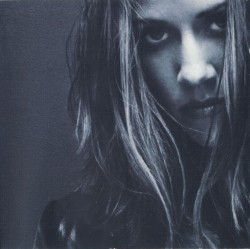
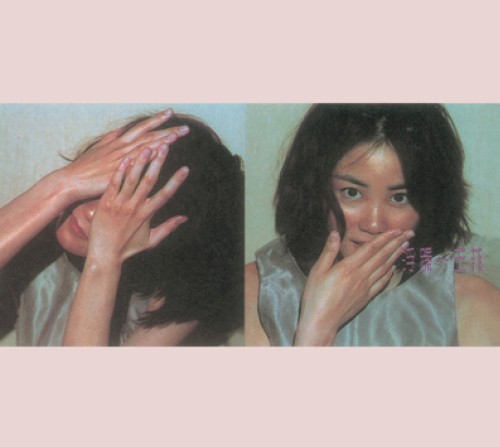
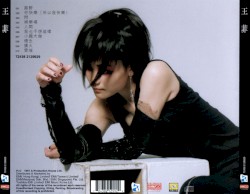
《浮躁》是香港歌手王菲的第13张大碟、第4张国语专辑,也是她与新艺宝合约内的最后一张作品,于1996年6月发行。一共有10首歌曲,其中7首由王菲亲自创作,2首由苏格兰乐团Cocteau Twins特别为她谱写并监制,1首是纯音乐。唱片封面与封底分别是王菲遮住眼睛、嘴巴与耳朵的三连照构成,概念上巧妙呼应《论语》中的“非礼勿视”、“非礼勿言”及“非礼勿听”,亦与“三猿”意象形成互文。
简介
经过前三年《十万个为什么?》、《胡思乱想》、《讨好自己》和《Di-Dar》专辑在音乐创新上的铺垫和开拓,王菲在《浮躁》终于完全抛弃商业上的考量,推出了一张自己最满意的概念大碟,这是她音乐生涯中最圆满的一次艺术尝试,也是一张彻底表达她个人对音乐理解的实验性专辑。专辑的10首作品在风格上愈发缥缈空灵,王菲在其飘摇的声线下欲营造一种相当个性化的声线,以及将自己塑造成类似Cocteau Twins那样高不可攀的精神形象,颇为另类、绝不讨好,这在之后她2000年的专辑《寓言》也只是做到了一半而已。
这是张亚东第一次为王菲监制唱片,负责了一半的歌曲,窦唯负责3首,Cocteau Twins则负责2首。《浮躁》整体曲风不仅注入大量北京摇滚的元素,也融入北欧迷幻风格,却十分和谐统一。专辑的卖点和焦点集中在“扫兴”和“分裂”两首歌曲,因这两首作品皆是由Cocteau Twins为王菲友情撰写及全权制作,两首歌的曲调一致选用了大量的合成器音色及打击乐器,营造出该乐队惯有的北欧迷幻色彩。Cocteau Twins在这之后发行的单曲及合辑中,将这两首歌曲改填英语歌词重新发表。乐队也借助王菲《浮躁》专辑的宣传攻势,成功打开了亚洲市场。
专辑开场曲为音乐明亮、调子轻灵自在的“无常”。同名主打“浮躁”是首歌词只有22个字的简单歌曲,却不失变化,王菲在歌词和拟声吟唱之间轮番转换,不至单调,据制作人张亚东透露,该曲是先有了完整编曲配置后,王菲再从中套入自己的旋律及歌词。专辑中有三首无词歌,分别是“想像”、“哪儿”及“野三坡”,王菲只以简单易发的"咿", "啊", "哦"等几个元音在整首歌作拟声吟唱,彻底颠覆当时华语流行音乐的模式。而在“末日”中,王菲采用了一字一顿的唱法,原本这种唱法会显得生硬,但是王菲在演唱时特别做了处理,她将每一句的最后一个字拉长,或在第一个字先做处理,以弥合尴尬的缝隙。“不安”则是纯音乐,没有任何人声。
专辑曲目名称也延续了《天空》和《Di-Dar》的做法,均为两个字,只有最后一首“野三坡”除外。这张曲风前卫的专辑,令港台音乐市场无法接受,而成为王菲成名后销量最差的专辑。不过仍在台湾拿下金曲龙虎榜销售榜3周亚军;在香港登上IFPI销量榜四周,最高排名为两周第二。
此专辑日后被许多流行音乐爱好者及王菲的歌迷奉为经典。王菲本人也以《浮躁》这座艺术高峰,在同年成为首位登上《时代杂志》的华人歌手。
香港IFPI销量成绩
- ❶ 1996.06.27 2 王菲 浮躁
- ❷ 1996.07.04 2 王菲 浮躁
- ❸ 1996.07.11 3 王菲 浮躁
- ❹ 1996.07.18 8 王菲 浮躁
奖项
中文榜中榜: Channel V
1996年度:Top 20—“浮躁”
- 中华音乐人交流协会1996年度十大专辑
- 台湾流行音乐200最佳专辑 (页面存档备份,存于互联网档案馆)中NO.44
正文摘自中文维基百科「浮躁」,按 CC BY-SA 4.0 使用;已转为简体,删去了参考文献、外部链接、表格和图片。
英文维基百科上的更多内容(英文原文,约 3,068 字符)
Fuzao (Chinese: 浮躁; pinyin: Fúzào; lit. "Impetuous") is the fourth Mandarin-language studio album (thirteenth overall) by Chinese singer Faye Wong. It was released on June 3, 1996, through Cinepoly. Wong took more artistic risks with her work as she approached the end of her record contract, resulting in the experimental nature of Fuzao. The album was positively received by critics, with The Straits Times considering the album as Wong's boldest and most artistically coherent effort to date.
An alternative record, Fuzao was largely written and composed by Wong, with arrangement and production done by her husband, Dou Wei, and Zhang Yadong. The album features two collaborations with the Scottish dream pop band Cocteau Twins, whose sound and aesthetic was a heavy influence.
Background and release
Translated names used in English-language sources are Restless, Exasperation, Anxiety and Impatience. The term was widely used in relation to the cultural anxiety of the period.
The Hong Kong edition, including the back panel, shows three photos of Faye Wong in the pose of the three wise monkeys. In 2008, Universal Music re-released the album in a paper Eco pack as part of its Asian series of 20th Century Masters.
Composition
As she was approaching the end of her recording contract with Cinepoly, Wong took more artistic risks with this highly experimental album. Some tracks are wordless or use self-created sounds, including the cheerful-sounding refrain "la cha bor" of the title track. It contains mainly her own compositions, with an aesthetic inspired by the Cocteau Twins, who contributed two original songs to the album, "Fracture" (分裂) and "Spoilsport" (掃興). Wong had previously covered their work on Random Thoughts in 1994, and established a remote working relationship with them – even laying down vocals for a special duet version of "Serpentskirt" on the Asian release of the group's 1996 album Milk And Kisses, as her voice blended well with Elizabeth Fraser's ethereal soprano. A Buddhist, Wong weaves teachings of transience and disengagement into the album. These themes can also be found in some of her other albums.
Reception
Paying less attention to the demands of the mainstream market, the album's sales were lower than for Wong's preceding albums. However, Restless was received favorably by critics. The Straits Times considered the album as her boldest and most artistically coherent effort to date. Southern Metropolis Daily described the album as "very harmonious and unified", and stated that the second song, Restless, was similar to Di-Dar albeit simpler.
After the release, Wong became the second Chinese artist (after Gong Li) and the first Chinese singer to be featured on the cover of Time magazine, under the headline "The Divas of Pop". The title track is featured in the 1998 film Restless. In a 2023 review of four reissued Wong albums (Please Myself to Fuzao) by Pitchfork, Michael Hong wrote that "the album's producers steep the music in the sounds of Beijing's nascent rock scene" and felt that Faye's "reserved yet playfully mischievous nature permeates the album".
这部分摘自英文维基百科「Fuzao」,按 CC BY-SA 4.0 使用;删去了参考文献、外部链接、表格和图片。
资料卡
- 作品性质
- 音乐专辑
- 表演者
- 王菲
- 发行日期
- 1996 年 6 月 3 日
- 流派
- 粤语流行音乐、日本流行音乐
- 语言
- 官话
- 唱片公司
- 新艺宝唱片
- 制作人
- 张亚东
资料来自 Wikidata Q3427974(CC0)。
制作名单
- 厂牌
- Cinepoly Records(目录号 532776-2)
词曲与编曲
- 作曲
- 王菲(其中 8 首)、Elizabeth Fraser(第 4、8 首)、罗宾·格思里(第 4、8 首)、Simon Raymonde(第 4、8 首)
- 编曲
- 张亚东(第 2、5、6、7、9、10 首)、窦唯(第 1、3、10 首)、极地双子星(第 4、8 首)
- 作词
- 王菲(第 1、2、3、7、9 首)、林夕(第 4 首)、黃偉文(第 8 首)
名单来自 MusicBrainz(CC0)这一发行版本的关系数据,由志愿者录入,不一定齐全。
更多资料与乐评
在哪听
王菲 的其他专辑
艺人页 ›

相似的专辑
同在 1996 年发行