乐单
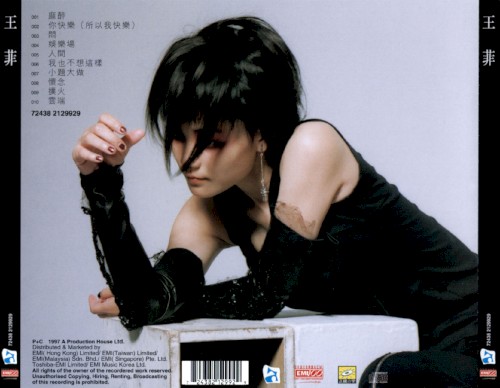
王菲 (1997)
曲目
- 1麻醉4:01
- 2你快乐 (所以我快乐)4:20
- 3闷4:21
- 4娱乐场3:27
- 5人间4:48
- 6我也不想这样4:58
- 7小题大做3:28
- 8怀念3:24
- 9扑火4:20
- 10云端3:56
10 首 · 约 41 分钟 · 依据 1997 CN 发行的版本,在 MusicBrainz 看这个版本。
介绍
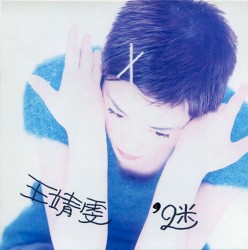
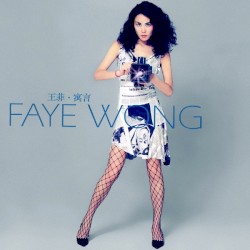
《王菲》是香港歌手王菲的第十四张大碟、第五张国语大碟,也是她以“一间制作”(A Production House)身份加盟百代唱片的第一张大碟,于1997年9月26日发行。一共十首歌曲,其中一首是改编。从这张专辑开始,王菲的音乐将另类歌曲和主流情歌融合在一起,既没有《浮躁》这样完全忽视商业市场的作品,但也和港台主流乐坛保持一定的距离。并且她自此不再将香港作为主要市场,后几张大碟中也只是附录几首粤语歌。
《王菲》在台湾取得不错的销售成绩,根据Billboard杂志报道,此专辑在台湾销量达45万张,并在1997年度《金曲龙虎榜》全年十大总排名榜单排名第六,销售点数为38497 ,选票数为11794。在香港,1998年12月获IFPI认证为白金唱片
。在新加坡进入1997年SPVA十大中文唱片,是1997年新加坡销量最高的女歌手。也是1997年马来西亚销量最高的华语女歌手。根据Billboard杂志在2000年11月25日报道,王菲加入EMI之后的每张唱片在中国大陆正版销量均可以轻松超过50万张。
简介
当上母亲后的王菲无论曲风和唱法都已有了明显变化。这张跳槽百代唱片后的首张专辑不但没有她自己创作的歌曲,和她过往的音乐路线也大相径庭,尤其是在《浮躁》彻底的艺术尝试后突然调转方向。新专辑总体慵懒、柔和,弥漫着一种心满意足的态度,她也剔除了花俏的演唱技巧。张亚东这次为她谱写了“你快乐(所以我快乐)”和“闷”,都是主打歌曲。
Cocteau Twins对王菲的影响在这张新大碟中仍清晰可见,“怀念”是翻唱其在1996年专辑《Milk & Kisses》里的歌曲。该乐队的两位男成员也为她谱写了“娱乐场”。而Cocteau Twins在1997年宣告解散,至此王菲一共翻唱过他们三首歌曲,Cocteau Twins也为王菲谱写过三首歌,除了“娱乐场”外,其他两首歌曲该乐队皆有重新填词演唱发表。
值得一提的是,专辑中的“人间”是中岛美雪唯一一次为华人歌手谱写的歌曲。后来中岛在自己的专辑中也演唱了日文版。
另外,王菲与非主流音乐人的接触越来越频繁,“麻醉”的作曲人周凤岭即来自内地地下音乐界,而香港乐队BlackBox的张佳添也贡献了一首“小题大做”。
“扑火”是王菲第六次演唱陈小霞作曲的作品,但作为曲子的首唱者却仅是继“约定”之后的第二次。此次合作后,王菲很长一段时间都再未演唱过陈小霞所作的歌曲,直到2016年的单曲“你在终点等我”才再度合作。
而专辑的服饰造型、艺术概念仍是颇为另类,而且王菲从这时起始终在右手腕上系着一条出于信仰密宗戴上的红绳。
奖项
香港电台的十大中文金曲颁奖音乐会:
1997年度:“十大中文金曲”—“你快乐(所以我快乐)”
1997年度:“十大优秀流行歌手大奖”
1997年度:“飞跃大奖—女歌手银奖”
无线电视的十大劲歌金曲颁奖典礼:
1997年度:“最受欢迎国语歌曲奖 — 铜奖”—“你快乐(所以我快乐)”
1997年度:“亚太区最受欢迎香港女歌星”
商业电台的叱咤乐坛流行榜:
1997年度:“叱咤乐坛女歌手金奖”
1997年度:“叱咤乐坛我最喜爱的女歌手”
1997年度:“叱咤殿堂十大歌手/组合”
新城电台的新城劲爆颁奖礼:
1997年度:“亚洲劲爆女歌手”
中文榜中榜: Channel V
1997年度:Top 20—“你快乐(所以我快乐)”
中华音乐人交流协会:
1997年度十大单曲—“你快乐所以我快乐”
- 1997年度十大专辑
- 台湾流行音乐200最佳专辑 (页面存档备份,存于互联网档案馆)中NO.71
正文摘自中文维基百科「王菲 (1997年專輯)」,按 CC BY-SA 4.0 使用;已转为简体,删去了参考文献、外部链接、表格和图片。
英文维基百科上的更多内容(英文原文,约 3,350 字符)
Faye Wong (Chinese: 王菲) is the fifth Mandarin-language studio album (fourteenth overall) by Chinese singer Faye Wong. It was released on September 26, 1997, marking the first of her albums under the umbrella of EMI. There are 10 songs in total, one of which is a cover. Unlike her last studio album Fuzao, which was an artistic attempt, this time the album's style is more focused on the balance between mainstream and avant-garde. The album, which was produced by Alvin Leong, is generally languid, mellow and pervaded by an attitude of contentment.
According to Billboard magazine, 25 November 2000, every record Faye Wong released after signing with EMI easily sold more than 500 000 copies in mainland China.
The album sold only modestly in Hong Kong due to the Asian financial crisis, but did well in Taiwan and helped her popularity rise rapidly in mainland China. From this album onwards, Wong's music has been a mix of "alternative" songs and de rigueur love songs, not completely ignoring the market like Fuzao, but also keeping a distance from the mainstream music scene in Hong Kong and Taiwan. Since then, Wong has not considered Hong Kong as her main market, and only a few Cantonese songs are included in her later albums.
Background and development
In 1994, Wong began to use her birth name to carry out performing arts activities instead of the stage name Shirley Wong. With the adoption of her real name, Wong decided to take a different musical route than that of her Shirley Wong days. Although she was in Hong Kong and collaborated with some Hong Kongese musicians, she did not want to be confined to the Hong Kong market. In 1995, after releasing the album Di-Dar, Wong decided to stop releasing Cantonese albums altogether and start singing in Mandarin. Because Mandarin is Wong's mother tongue, she feels smooth and comfortable when making albums and songs in Mandarin. While preparing for the production of the album, Wong kept listening to the songs and picking them out. When it came to the recording session, she would make adjustments according to the mood and ambient climate at the time of recording.
Nine of the ten songs on the album were written by Albert Leung. Leung considers Wong to be a distinctive female singer with a temperament. In his eyes, Wong is able to perform every song of different styles with quality and charm. Therefore, he tailor-made the lyrics of "You Are Happy So I Am Happy." The tune was casually composed by Zhang Yadong and was later chosen to be Wong's dedication to her first daughter Leah Dou. The song "Another Paradise" was composed by Miyuki Nakajima herself for Wong. The song "Hangout" was customized by the Scottish band Cocteau Twins. In addition, Wong also performed a Chinese cover version of the band's song "Rilkean Heart," which became the song "Nostalgia."
Writing and composition
In the album Faye Wong, Wong has intensified her attire but lightened her voice. In terms of vocal technique, the album is simple. Because of this, the album's melodic sound is emphasized. The album's opening track "Perversity" is an adult contemporary ballad. The song "Bored" is a mid-tempo British pop rock song, which is one of the most noteworthy songs on the album. The song paints a bouncy image of Wong showing a life of aspirations. The attitude reflected in the lyrics of "Bored" has become a sample of feminist studies in the late 1990s.
这部分摘自英文维基百科「Faye Wong (1997 album)」,按 CC BY-SA 4.0 使用;删去了参考文献、外部链接、表格和图片;篇幅所限只节选了前面一部分,全文见原条目。
资料卡
- 作品性质
- 音乐专辑
- 表演者
- 王菲
- 发行日期
- 1997 年 9 月 26 日
- 录音地点
- 雅旺录音室
- 流派
- 华语流行音乐
- 语言
- 官话
- 唱片公司
- 百代唱片
- 制作人
- 梁荣骏
资料来自 Wikidata Q3067687(CC0)。
制作名单
- 厂牌
- 中国唱片上海公司
- 录音室
- 录音:Avon Recording Studios(Jordan);录音:September Sound(Twickenham)
制作
- 混音
- John Lin
- 制作人
- Alvin Leong
- 录音
- John Lin(第 1、2、3、8、9 首)、John Tang(第 4、5、6、10 首)、David Shum(第 1、7、9 首)、Ako Cheung(第 7 首)
- 编程
- Adrian Chan(第 1、5、9 首)、张亚东(第 2、3 首)、Alex San(第 6 首)、張佳添(第 7 首)、Ted Lo(第 10 首)
演奏与演唱
- 主唱
- 王菲
- 和声
- 王菲(第 1、4、5、9 首)
- 吉他
- Adrian Chan(第 1、6、9 首)、张亚东(第 2、3、8 首)、鄧建明(第 5 首)、張佳添(第 7 首)
- 鼓
- 窦唯(第 2、3 首)、Cheung Yi Shi(第 7 首)
- 指挥
- Ted Lo(第 5、9 首)
- 三角钢琴
- Ted Lo(第 5、10 首)
- 弦乐
- Mei Chang Ensemble(第 5、9 首)
- 贝斯
- 何俊傑(第 6、9 首)、张亚东(第 2 首)、Yueh Haw Kuen(第 3 首)、林志宏(第 5 首)、張佳添(第 7 首)
- 演出
- 罗宾·格思里(第 4 首)、Simon Raymonde(第 4 首)
- 低音提琴
- Wang Shaw Tang(第 8 首)
词曲与编曲
- 作词
- 林夕(其中 7 首)、黃偉文(第 8 首)、姚若龍(第 9 首)、黃桂蘭(第 10 首)
- 编曲
- Adrian Chan(第 1、4、5、9 首)、张亚东(第 2、3、8 首)、Alex San(第 6 首)、張佳添(第 7 首)、Ted Lo(第 10 首)
- 作曲
- 张亚东(第 2、3 首)、罗宾·格思里(第 4、8 首)、Simon Raymonde(第 4、8 首)、周凤岭(第 1 首)、中岛美雪(第 5 首)、Alex San(第 6 首)、張佳添(第 7 首)、Elizabeth Fraser(第 8 首)、陳小霞(第 9 首)、李正帆(第 10 首)
- 器乐编曲
- Ted Lo(第 5、9 首)
名单来自 MusicBrainz(CC0)这一发行版本的关系数据,由志愿者录入,不一定齐全。
更多资料与乐评
在哪听
王菲 的其他专辑
艺人页 ›
相似的专辑
同在 1997 年发行