乐单
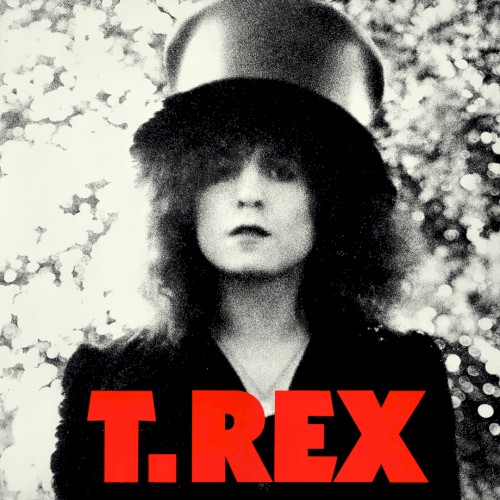
The Slider (1972)
曲目
- A1Metal Guru2:29
- A2Mystic Lady3:14
- A3Rock On3:26
- A4The Slider3:22
- A5Baby Boomerang2:16
- A6Spaceball Ricochet3:36
- A7Buick Mackane3:34
- B1Telegram Sam3:45
- B2Rabbit Fighter3:55
- B3Baby Strange3:06
- B4Ballrooms of Mars4:07
- B5Chariot Choogle2:45
- B6Main Man4:20
13 首 · 约 44 分钟 · 依据 1972-07-21 GB 发行的版本,在 MusicBrainz 看这个版本。
介绍
这个词条没有中文维基百科条目,下面是英文维基百科的原文。
The Slider is the seventh studio album by English rock band T. Rex, and the third since abbreviating their name from Tyrannosaurus Rex. It was released on 21 July 1972 by record labels EMI and Reprise. Two number-one singles, "Telegram Sam" and "Metal Guru", were released to promote the album. Issued at the height of the band's popularity, The Slider received acclaim from critics, reaching number 4 in the UK Albums Chart and number 17 in the US.
Background
At the start of 1972, T. Rex was riding a wave of superstardom propelled by four successive top 3 hits (including two number ones) and an 8-week run at the summit of the UK charts for Electric Warrior, which became that country's best-selling album of 1971. Fan hysteria at concerts was dubbed "T. Rextasy" by the press, and "Get It On" hit number 10 in America. Bolan had just left his old label Fly Records and formed T. Rex Wax Co., distributed by EMI, for his records. The first single released under the T. Rex Wax Co. imprint, "Telegram Sam", became the band's third number 1 hit upon release on 21 January 1972. It was under these auspicious circumstances that the songs which would comprise The Slider were written and recorded.
Songs and recording
Most of the songs for The Slider were written and demoed in the fall and winter of 1971, as the group toured the UK. Bolan claimed in interviews that the new album was his Imagine, in that in it he felt he had been frank and truthful about himself. Among the highlights was the opening track "Metal Guru", which Bolan described as a "festival of life song" where he related "Metal Guru" to "all gods around... someone special, a godhead. I thought how god would be, he'd be all alone without a telephone". Other tracks like the acoustic ballads "Spaceball Ricochet" and "Main Man" expressed a vulnerable fragility addressed to his fans, while the chugging boogie of the title track contained the revealing refrain "and when I'm sad, I slide".
Musically, outside of the ballads, the album was harder rocking than Electric Warrior, featuring several heavy metal-influenced songs like "Buick MacKane" and "Chariot Choogle" that Bolan cheekily labeled "Zep Rex", along with a further use of elaborate studio techniques (phasing, reverb, backwards guitars etc.) to achieve a glam rock sound. As on Warrior, Tony Visconti provided string arrangements while Flo & Eddie contributed androgynous backing vocals (although Visconti later claimed they sang on only three tracks, with he and Marc doing their best Flo & Eddie impersonation on the rest).
The first sessions for the album were held 1–3 November 1971 at Rosenberg Studios in Copenhagen, with Visconti producing. "Telegram Sam" and the B-sides "Baby Strange" (also to appear on the album), "Cadilac" (sic) and "Thunderwing" were all recorded along with an early version of "Spaceball Ricochet". On 15 November, overdubs and mixing took place at Trident Studios, where most of Bolan's early albums had been recorded.
On the recommendation of Elton John, the bulk of The Slider was recorded outside of Paris at Strawberry Studios in Château d'Hérouville to avoid British taxing laws. According to Visconti, the pressure to create another blockbuster record was huge. Production there began on 3 February 1972 with the recording of "Ballrooms of Mars" and overdubs to "Thunderwing". After a short tour of the United States, sessions reconvened at Strawberry Studios during 8–12 March, where backing tracks for "The Slider", "Rock On", "Metal Guru", "Mystic Lady", "Spaceball Ricochet" (remake), "Rabbit Fighter" and "Main Man" were laid down along with the B-sides "Lady" and "Sunken Rags" plus an outtake later titled "Buick MacKane and the Babe Shadow" on archival releases. Visconti recalls that Bolan was beginning to drink and use cocaine at this time, which affected his personality during the sessions. In spite of this, the recordings went quickly and efficiently, in contrast to the months-long process of recording Electric Warrior. Visconti remembers the happiest times making the record being late-night parties in the studio when "the French wine would kick in and we’d listen to the playback of the songs we’d done that day. We’d run around the building, having a ball. That was the fun part. It was worth all the stress to hear that these tracks were… scintillating".
Further recording was done from 31 March to 2 April back at Rosenberg Studios. These sessions produced "Buick MacKane", "Baby Boomerang" and "Chariot Choogle" along with a 12-minute rehearsal of new song "Children of the Revolution", with a note "For Ringo" on the tape box sheet as the song was to be used in the T. Rex concert film Born to Boogie directed by Starr that spring. Finally, backing vocals by Flo & Eddie were overdubbed at Elektra Sound Recorders in Los Angeles, along with further overdubbing and final mixing, in early April.
正文摘自英文维基百科「The Slider」,按 CC BY-SA 4.0 使用;删去了参考文献、外部链接、表格和图片;篇幅所限只节选了前面一部分,全文见原条目。
资料卡
- 作品性质
- 音乐专辑
- 表演者
- 暴龙乐队
- 发行日期
- 1972 年 6 月 21 日
- 时长
- 53 分 51 秒
- 流派
- 华丽摇滚
- 唱片公司
- EMI唱片、重复唱片
- 制作人
- 托尼·维斯康蒂
资料来自 Wikidata Q1190112(CC0)。
制作名单
- 厂牌
- EMI(目录号 1E 062-93596)、T·REX(目录号 BLN 5001)
制作
- 制作人
- Tony Visconti(第 B4 首)
词曲与编曲
- 作曲
- Marc Bolan
- 作词
- Marc Bolan(其中 12 首)
名单来自 MusicBrainz(CC0)这一发行版本的关系数据,由志愿者录入,不一定齐全。
更多资料与乐评
在哪听
暴龙乐队 的其他专辑
艺人页 ›
同在 1972 年发行