乐单
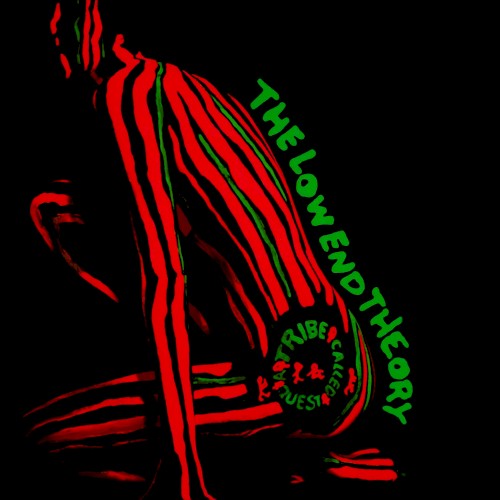
The Low End Theory (1991)
滚石 500(2020) #43滚石 500(2003) #1541001 张专辑
- 艺人
- 探索一族合唱团
- 发行
- 1991-09-24
- 类型
- 专辑
- 唱片公司
- Jive Records、RCA唱片
- 制作人
- 探索一族合唱团
- 版本
- MusicBrainz 上有 17 个发行版本
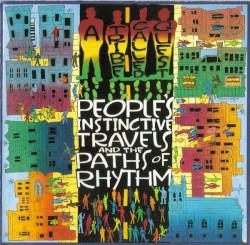
上一张:People's Instinctive Travels and the Paths of Rhythm下一张:Midnight Marauders
曲目
- 1Excursions3:55
- 2Buggin’ Out3:37
- 3Rap Promoter2:13
- 4Butter3:39
- 5Verses From the Abstract3:59
- 6Show Business3:53
- 7Vibes and Stuff4:18
- 8The Infamous Date Rape2:54
- 9Check the Rhime3:37
- 10Everything Is Fair2:58
- 11Jazz (We’ve Got)4:10
- 12Skypager2:12
- 13What?2:29
- 14Scenario4:10
14 首 · 约 48 分钟 · 依据 1991 US 发行的版本,在 MusicBrainz 看这个版本。
介绍
这个词条没有中文维基百科条目,下面是英文维基百科的原文。
The Low End Theory is the second studio album by American hip-hop group A Tribe Called Quest, released on September 24, 1991, by Jive Records. Recording sessions for the album were held mostly at Battery Studios in New York City, from 1990 to 1991. The album was primarily produced by group member Q-Tip, with a minimalist sound that combines bass, drum breaks, and jazz samples, in a departure from the group's debut album, People's Instinctive Travels and the Paths of Rhythm (1990). Lyrically, the album features social commentary, word play, humor, and interplay between Q-Tip and fellow member Phife Dawg.
Supported by the lead single "Check the Rhime", The Low End Theory debuted at number 45 on the Billboard 200 chart. Upon its release, the album's commercial potential was doubted by music critics and Jive record executives. However, the release of two additional singles, "Jazz (We've Got)" and "Scenario", brought further attention and popularity to the group. On February 19, 1992, the album was certified gold by the Recording Industry Association of America (RIAA), with shipments of 500,000 copies in the United States, and on February 1, 1995, it was certified platinum by the RIAA, with shipments of one million copies.
In the years since its release, The Low End Theory has garnered recognition from music critics and writers as a milestone in alternative hip-hop. The album is regarded as Phife Dawg's breakout and is credited for helping launch rapper Busta Rhymes's successful solo career. The album's influence on artists in hip-hop, R&B and other genres has been attributed to the group's lyricism and Q-Tip's production, which bridged the gap between jazz and hip-hop. The album is widely regarded as one of the greatest albums of all time, appearing on many best album lists by music critics and writers. In 2020, it was ranked at number 43 on Rolling Stone's list of the 500 Greatest Albums of All Time. In 2022, the album was selected by the Library of Congress for preservation in the National Recording Registry for being "culturally, historically, or aesthetically significant".
Background
A month after the release of A Tribe Called Quest's debut album, People's Instinctive Travels and the Paths of Rhythm (1990), group member Phife Dawg learned that he was diabetic and considered leaving the group. After a discussion with fellow member Q-Tip, they agreed to increase his participation on their second album and to "step it up in general as a group." Recording sessions for the second album began when sessions from People's Instinctive Travels kept creatively flowing. The group wanted to begin recording the album shortly after the completion of People's Instinctive Travels, for which they still had to tour and film music videos. Phife Dawg later recalled, "Tip didn't want to stop." The album's title, The Low End Theory, referred to both the status of black men in society and bass frequencies in the music, while the album cover featured an altered photograph of a kneeling woman painted in Afrocentric colors.
During the recording sessions, the group fired their manager Kool DJ Red Alert and joined Russell Simmons's Rush Artist Management, with Chris Lighty serving as their new manager. They also fired their lawyer, who was Red Alert's manager, and faced a lawsuit as a result. Both moves created tension within the Native Tongues collective, which was never fully resolved. After switching managers, the group demanded more advances from Jive, who eventually extended their recording contract for one more album. However, the negotiations between the group and Jive lasted over a year and strained their relationship. These events created a disillusionment with the music industry among the group, which affected "both material and approach" on The Low End Theory.
Recording
The majority of the recording sessions took place at Battery Studios in Manhattan, from 1990 to 1991, where the songs were recorded on a Neve 8068 mixing console that had been used by John Lennon. Like People's Instinctive Travels, production on The Low End Theory was primarily handled by Q-Tip, while Ali Shaheed Muhammad provided DJ scratching and co-production. Skeff Anselm produced two songs, which were programmed at Jazzy Jay's Studio in The Bronx. Producer Pete Rock created the original beat for the second single, "Jazz (We've Got)", before it was recreated by Q-Tip, who credited Rock in the outro of the song.
Group member Jarobi White, who previously appeared on People's Instinctive Travels, had verses recorded for The Low End Theory. However, he left the group during the sessions to study culinary art and his verses did not make the final cut. The song "Butter" was originally supposed to feature a verse by Q-Tip, but Phife Dawg insisted on rapping solo on it, causing a brief argument. It essentially became a Phife Dawg solo record, with Q-Tip performing the chorus.
正文摘自英文维基百科「The Low End Theory」,按 CC BY-SA 4.0 使用;删去了参考文献、外部链接、表格和图片;篇幅所限只节选了前面一部分,全文见原条目。
资料卡
- 作品性质
- 音乐专辑
- 表演者
- 探索一族合唱团
- 发行日期
- 1991 年 9 月 24 日
- 流派
- 东海岸嘻哈、另类嘻哈、爵士说唱
- 语言
- 英语
- 唱片公司
- Jive Records、RCA唱片
- 制作人
- 探索一族合唱团
- 上一部
- People's Instinctive Travels and the Paths of Rhythm
- 下一部
- Midnight Marauders
资料来自 Wikidata Q1090876(CC0)。
制作名单
- 厂牌
- Jive(目录号 1418-2-J)、BMG Direct Marketing, Inc.(目录号 D 124809)
制作
- 混音
- Bob Power、探索一族合唱团
- 制作人
- 探索一族合唱团、Skeff Anselm(第 6、10 首)
- 录音
- Bob Power、探索一族合唱团
演奏与演唱
- 演出
- 最后的诗人(第 1 首)、戴蒙德·D(第 6 首)、洛德·贾马(第 6 首)、萨达特X(第 6 首)、Charlie Brown(第 14 首)、巴斯达韵(第 14 首)、Dinco D(第 14 首)
- 贝斯
- 罗恩·卡特(第 5 首)
- 人声
- Vinia Mojica(第 5 首)、Leaders of the New School(第 14 首)
词曲与编曲
- 作曲
- 卡马尔·法里德(其中 10 首)、Ali Shaheed Muhammad(第 3、4、6、8、10、12 首)、Phife Dawg(第 4、6、7、8、10、12 首)、Skeff Anselm(第 6、10 首)、Lorenzo DeChalus(第 6 首)、戴蒙德·D(第 6 首)、萨达特X(第 6 首)
- 词曲
- Ali Shaheed Muhammad(第 2、9、11、14 首)、Phife Dawg(第 2、9、11、14 首)、卡马尔·法里德(第 2、9、11、14 首)、Roger Ball(第 9 首)、Molly Duncan(第 9 首)、Steve Ferrone(第 9 首)、Alan Gorrie(第 9 首)、Owen McIntyre(第 9 首)、米妮·雷普顿(第 9 首)、Richard Rudolph(第 9 首)、Hamish Stuart(第 9 首)、Leon Ware(第 9 首)、Charlie Brown(第 14 首)、巴斯达韵(第 14 首)、Dinco D(第 14 首)
名单来自 MusicBrainz(CC0)这一发行版本的关系数据,由志愿者录入,不一定齐全。
更多资料与乐评
在哪听
探索一族合唱团 的其他专辑
艺人页 ›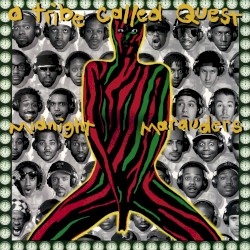
相似的专辑


同在 1991 年发行