乐单
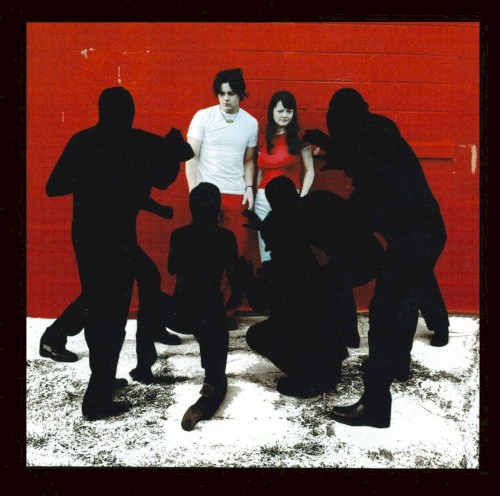
White Blood Cells (2001)
- 艺人
- 白线条乐团
- 发行
- 2001-07-03
- 类型
- 专辑
- 唱片公司
- Sympathy for the Record Industry、XL唱片
- 制作人
- 杰克·怀特
- 版本
- MusicBrainz 上有 22 个发行版本
曲目
- 1Dead Leaves and the Dirty Ground3:02
- 2Hotel Yorba2:10
- 3I’m Finding It Harder to Be a Gentleman2:54
- 4Fell in Love With a Girl1:50
- 5Expecting2:03
- 6Little Room0:50
- 7The Union Forever3:26
- 8The Same Boy You’ve Always Known3:07
- 9We’re Going to Be Friends2:20
- 10Offend in Every Way3:06
- 11I Think I Smell a Rat2:04
- 12Aluminum2:19
- 13I Can’t Wait3:38
- 14Now Mary1:47
- 15I Can Learn3:31
- 16This Protector2:12
16 首 · 约 40 分钟 · 依据 2001-07-03 XW 发行的版本,在 MusicBrainz 看这个版本。
介绍
这个词条没有中文维基百科条目,下面是英文维基百科的原文。
White Blood Cells is the third studio album by American rock duo the White Stripes. It was released by Sympathy for the Record Industry on July 3, 2001 and reissued by V2 Records in 2002. Produced by guitarist and lead vocalist Jack White, the album was recorded at Easley-McCain Recording in Tennessee over three days and was their first work to be mastered in a studio. The process cost $5,000 and was rushed in order to capture a "real tense feeling" and the band's raw energy.
Following their success within the Detroit music scene, the White Stripes began to shift from their blues-inspired roots to a garage rock sound. The album contains lyrics about love, hope, betrayal, and paranoia, while its name and cover art reference the band's disillusionment with fame and the mainstream music industry. For promotion, they played a trio of shows in Detroit and released "Hotel Yorba", "Fell in Love with a Girl", and "Dead Leaves and the Dirty Ground" as singles.
White Blood Cells charted in nine countries, reaching number 61 on the US Billboard 200 and number 55 on the UK Albums Chart, and earned platinum certifications in both countries. The album received widespread acclaim and propelled Jack and Meg White to the forefront of the 2000s indie and garage rock movements. Since its release, it has been ranked by several critics among the best albums of all time.
Background and recording
The White Stripes previously sought success in the Detroit music scene, releasing two albums between 1999 and 2000. In the interim, bandmates Jack and Meg White divorced; however Meg insisted that they continue working together. They had still been living in the house purchased from Jack's parents and lived within their means, having had no inkling of the mainstream success that would greet them with this album. With De Stijl (2000), they were content to tour modestly, come home, and go back to their respective normal day jobs as the word "success" meant no longer having to work one. That goal became a reality with the tour: Jack closed his upholstery studio and Meg eventually left her restaurant job. Paradoxically, Meg kept her uniforms out of the superstitious belief that throwing them away would bring such bad luck that it would lead her back to working a day job.
Prior to White Blood Cells, the White Stripes had no interest in working with a major label for fear of losing artistic freedom and the horror stories associated with the mainstream music industry. However, the band would leave Sympathy for the Record Industry that year due to the lack of stewardship of its business and sign with V2 Records in November 2001. They were specifically aggravated that among other reasons: fans struggled to find their records, supply was not keeping up with demand, and that their music couldn't be sold internationally–though they never imagined the possibility of going platinum. Before the album's release and signing with V2, Jack did not want to participate in the "business" side of the industry and believed he should only be a performer. Meg said they wanted a larger record label to address their distribution issues, though they did not actively seek any out. Jack soon realized their apprehensions toward major labels were completely inaccurate and went as far as to say he would never let his own child sign to an independent label if they became a musician. In their view, they had been ripped off by independent labels that did not abide by (or have knowledge of) copyright law and in Meg's words, they had "learned when to trust–and when not to." Seeing that some of their favorite artists, from Captain Beefheart to the Ramones, Sex Pistols, and the Rolling Stones had been signed to major labels appeared on popular television shows also changed their opinion when they gained mainstream success themselves.
Before production, the White Stripes originally envisioned for White Blood Cells to be a double album. With the title already in mind as of December 2000, Jack thought of recording the first disc in studio and the other disc at home, with a plethora of country and piano-based songs he had written. Disenchanted with the media's "bringing-back-the-blues" label placed on the band after De Stijl, Jack sought for them to do an album focused on songwriting and purposely kept blues music off the album.
Following De Stijl, which was recorded in the living room of their Detroit home with Jack as its producer and engineer, they decided to leave town to record White Blood Cells, after finding that recording the previous album at home was a "bad idea" and that they work better with one other person. Jack later explained that his diplomatic nature led him to prefer working that way, for better or worse, allowing him to communicate his musical vision without undesired conflict.
正文摘自英文维基百科「White Blood Cells」,按 CC BY-SA 4.0 使用;删去了参考文献、外部链接、表格和图片;篇幅所限只节选了前面一部分,全文见原条目。
资料卡
- 作品性质
- 音乐专辑
- 表演者
- 白线条乐团
- 发行日期
- 2001 年
- 流派
- 另类摇滚
- 语言
- 英语
- 唱片公司
- Sympathy for the Record Industry、XL唱片
- 制作人
- 杰克·怀特
资料来自 Wikidata Q289539(CC0)。
制作名单
- 厂牌
- Legacy
- 录音室
- 录音:Easley McCain Recording(Memphis)
制作
- 工程师
- Stewart Sikes
- 混音
- Stewart Sikes、杰克·怀特
- 制作人
- 杰克·怀特
演奏与演唱
- 原声吉他
- 杰克·怀特(第 2、9 首)
- 演唱
- 杰克·怀特(第 2、9 首)
- 打击乐
- Meg White(第 2 首)
- 和声
- Meg White(第 2 首)
词曲与编曲
- 词曲
- 杰克·怀特(其中 13 首)、Meg White(其中 13 首)、Pepe Guízar(第 7 首)
- 作曲
- 杰克·怀特(第 4、9、12 首)、Meg White(第 12 首)
- 作词
- 杰克·怀特(第 4、9 首)
名单来自 MusicBrainz(CC0)这一发行版本的关系数据,由志愿者录入,不一定齐全。
更多资料与乐评
在哪听
白线条乐团 的其他专辑
艺人页 ›



相似的专辑







同在 2001 年发行