 乐单

照片:Luan Torreira,CC BY 2.0,Wikimedia Commons
乔治·宾
- 生卒
- 1939 –
- 国家/地区
- 巴西
- 外文名
- Jorge Ben
- 流派
- 巴西全域音乐、波萨诺瓦、samba-jazz、samba rock
介绍
这个词条没有中文维基百科条目,下面是英文维基百科的原文。
Jorge Duílio Lima Menezes (born March 22, 1939) is a Brazilian popular musician, performing under the stage name Jorge Ben Jor since the 1980s, though commonly known by his former stage name Jorge Ben (Brazilian Portuguese: [ˌʒɔʁʒi ˈbẽj]). Performing in a samba style that also explored soul, funk, rock and bossa nova sounds, Ben has recorded such well-known songs as "Chove Chuva", "Mas Que Nada", "Ive Brussel" and "Balança Pema". His music has been covered by artists such as Caetano Veloso, Sérgio Mendes, Miriam Makeba, Soulfly and Marisa Monte. His musical work has been vastly sampled by music producers and DJs in a variety of genres such as jazz funk, disco, and acid jazz.
Ben's broad-minded and original approach to samba led him through participation in some of Brazilian popular music's most important musical movements, such as bossa nova, Jovem Guarda, and Tropicália, with the latter period defined by his albums Jorge Ben (1969) and Fôrça Bruta (1970). He has been called "the father of samba rock", by Billboard magazine. According to American music critic Robert Christgau, Ben and his contemporary Gilberto Gil were "always ready to go further out on a beat than the other samba/bossa geniuses". In 2021, Rolling Stone ranked Ben's 1976 song "Ponta de Lança Africano (Umbabarauma)" number 351 in its updated list of the 500 Greatest Songs of All Time.
Biography
Early life and career
Born Jorge Duílio Lima Menezes in Rio de Janeiro, he first took the stage name Jorge Ben after his mother's name (Sílvia Saint Ben Lima, Brazilian-born of Ethiopian origin) but in 1989 changed it to Jorge Ben Jor (commonly written Benjor). Jorge is one of four brothers. His parents wanted him to either be a lawyer or pediatrician.
Jorge Ben obtained his first pandeiro (Brazil's most popular type of tambourine) when he was thirteen, and two years later, was singing in a church choir. He also took part as a pandeiro player in the blocos of Carnaval, and from eighteen years of age, he began performing at parties and nightclubs with the guitar given to him by his mother. He was given the nickname "Babulina" after his enthusiastic pronunciation of rockabilly singer Ronnie Self's song "Bop-A-Lena". He was introduced to Tim Maia by Erasmo Carlos. Jorge also liked Little Richard. As with most musicians of the time, Ben was initially influenced by João Gilberto. Jorge Ben's first public appearances were in small festivals organised by his friends, where bossa nova and rock and roll predominated. It was in 1963 at one of those clubs in which he performed that Jorge's musical career took off; he came on stage and sang "Mas, que Nada!" to a small crowd that happened to include an executive from the recording company, Philips. One week later, Jorge Ben's first single was released.
Ben's 1963 debut album Samba Esquema Novo was met with great acclaim from fans, and encouraged Philips to capitalize on the success with immediate follow-up albums. The label pressured Ben to hastily record songs imitative of his debut, along with cover songs, resulting in the three albums within the span of 18 months and a strain on the singer's relationship with Philips. He left the label after his 1965 album Big Ben.
Ben composed the song "Mas, que Nada!" in 1963. Outside of Brazil, the song is better known in cover versions by Sérgio Mendes and the Tamba Trio. The song has also been reinterpreted by prominent jazz artists including Ella Fitzgerald, Oscar Peterson, Dizzy Gillespie and Al Jarreau; as well as other samba artists of the time, such as Elza Soares.
The hybrid rhythms that Jorge employed brought him some problems at the start of his career, when Brazilian music was split between the rockier sounds of the Jovem Guarda and traditional samba with its complex lyrics.However, as that phase in Brazilian pop music history passed and bossa nova became better known throughout the world, Ben rose to prominence.
Success
In 1969, Jorge Ben released his eponymous album amid the excitement of the cultural and musical Tropicália movement. The album featured Trio Mocotó as his backing band, which would go on to launch a successful career on the back of its association with Ben. The album was noted for "País Tropical", one of his most famous compositions, although it would be Wilson Simonal who would take his recording of the song to the top of the charts in Brazil that same year. Instead, the song "Charles, Anjo 45", also from the self-titled album, would become Ben's biggest self-performed chart hit of the year. Ben recorded "Taji Mahal" in 1972.
正文摘自英文维基百科「Jorge Ben」,按 CC BY-SA 4.0 使用;删去了参考文献、外部链接、表格和图片;篇幅所限只节选了前面一部分,全文见原条目。
资料卡
- 本名
- Jorge Duílio Lima Meneses
- 艺名 / 别名
- Jorge Ben、Jorge Ben Jor、Jorge Benjor
- 出生
- 1939 年 3 月 22 日
- 出生地
- 里约热内卢
- 国籍
- 巴西
- 活跃起始
- 1963 年
- 职业
- 歌手、词曲作家、录音艺术家、吉他手、作曲家、音乐家
- 乐器
- 吉他、人声、打击乐器
- 流派
- 巴西全域音乐、波萨诺瓦、samba-jazz、samba rock
- 唱片公司
- 小岛唱片、飞利浦唱片、华纳音乐集团、自由之声、RGE
- 使用语言
- 葡萄牙语
- 获奖
- 文化功绩勋章、Latin Grammy Lifetime Achievement Award(2005)
资料来自 Wikidata Q119015(CC0)。
榜单和奖项里的专辑(1)

曲库里的其他专辑(24)
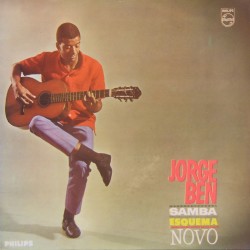
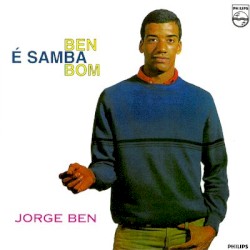
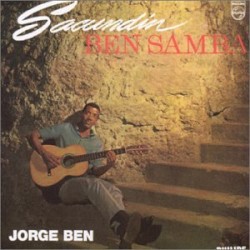

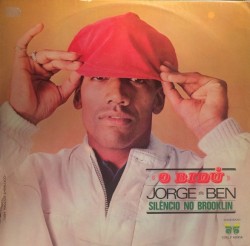
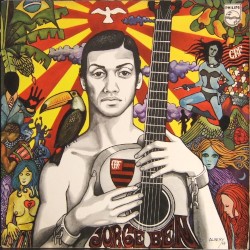
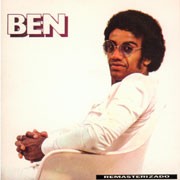
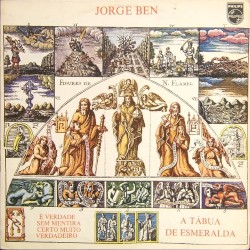
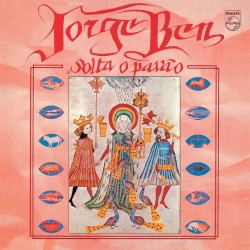
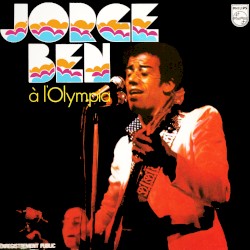
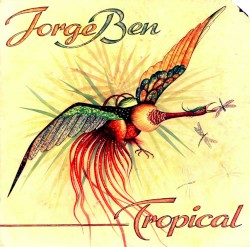

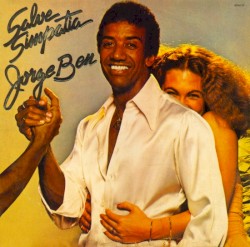
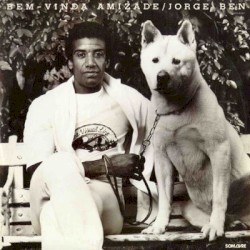

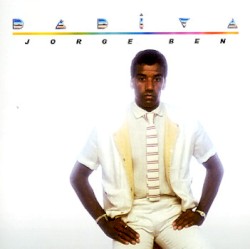

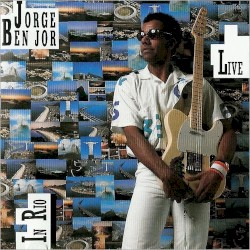
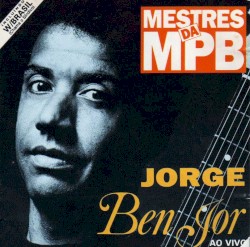

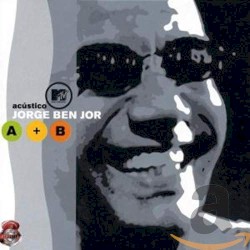
完整作品表见 MusicBrainz。
风格、年代相近的艺人
- 安东尼奥·卡洛斯·若宾巴西 · 1927–1994 · 爵士乐、波萨诺瓦
- 艾斯楚德·吉尔伯托巴西 · 1940–2023 · 波萨诺瓦、samba-jazz
- 伊利斯·里贾纳巴西 · 1945–1982 · 波萨诺瓦、巴西全域音乐