 乐单
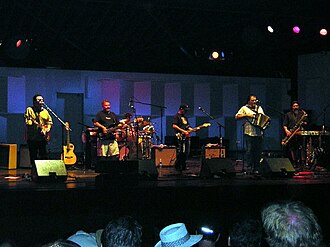
照片:Lee Paxton,CC BY-SA 4.0,Wikimedia Commons
灰狼一族合唱团
- 成立 / 解散
- 1973 –
- 国家/地区
- 美国
- 外文名
- Los Lobos
- 流派
- 摇滚乐、奇卡诺摇滚、美洲音乐、特哈诺音乐、牛仔庞克
- 成员
- David Hidalgo、Cesar Rosas、Steve Berlin、Louie Pérez、Conrad Lozano
介绍
这个词条没有中文维基百科条目,下面是英文维基百科的原文。
Los Lobos (pronounced [los ˈloβos], Spanish for "the Wolves") is an American rock group from East Los Angeles, California. Their music is influenced by rock and roll, Tex-Mex, country, zydeco, folk, R&B, blues, brown-eyed soul, and traditional music such as cumbia, boleros and norteños. The band rose to international stardom in 1987, when their version of "La Bamba" peaked at the top of the Billboard Hot 100, and also topped the charts in the United Kingdom, and several other countries. Songs by Los Lobos have been recorded by Elvis Costello, Waylon Jennings, Frankie Yankovic, and Robert Plant. In 2015, they were nominated for induction into the Rock and Roll Hall of Fame. In 2018, they were inducted into the Austin City Limits Hall of Fame. They are also known for performing the theme song for Handy Manny. As of 2024, they have been nominated for twelve Grammy Awards and have won four.
History
1973–79: Formation and early releases
Vocalist and guitarist David Hidalgo and drummer Louie Pérez met at Garfield High School in East Los Angeles, California, and bonded over their mutual affinity for musical acts such as Fairport Convention, Randy Newman and Ry Cooder. Pérez recalls, "We're looking at each other, 'You like this stuff? I thought I was the only weird one.' So I went over to his house one day for about a year, which we spent listening to records, playing guitars, and starting to write songs." The two borrowed reel-to-reel recorders from a friend and created multitrack recordings of music spanning from parody songs to free-form jazz. They later enlisted fellow students Frank González, Cesar Rosas and Conrad Lozano to complete the group's lineup, in 1973. Their first album, Los Lobos del Este de Los Angeles, was recorded at two studios in Hollywood in 1977 over a period of about four months. At that time, they all had regular jobs, and it was hard to get together for the sessions. To accommodate that situation, their producer Luis Torres would call the engineer, Mark Fleisher, who owned and operated a high-speed tape duplicating studio in Hollywood, to find a studio when he knew all the band members could get off work that night. Most of the songs were recorded at a studio on Melrose Avenue, located next to the Paramount studios at the time, and a low-priced studio on Sunset Boulevard.
The band members were unsatisfied with playing only American Top 40 songs and began experimenting with the traditional Mexican music they listened to as children. This style of music received a positive reaction from audiences, leading the band to switch genres, performing at hundreds of weddings and dances between 1974 and 1980. "If you were married between 1973 and 1980 in East L.A., we probably played your wedding," said Louie Perez. "They would pay us like $400 for the four of us, a case of beer, and all the mole we could eat..." said David Hidalgo. However, Los Lobos took notice of the popular groups on the Hollywood music scene and added influences of rock to its sound.
Originally, they called themselves Los Lobos del Este (de Los Angeles), which translates to The Wolves of the East (of Los Angeles), a play on the name of the norteño band Los Tigres del Norte. There was another conjunto band at the time named "Los Lobos Del Norte", which had released several albums already. The name was quickly shortened to Los Lobos.
1980–88: How Will the Wolf Survive? and commercial success
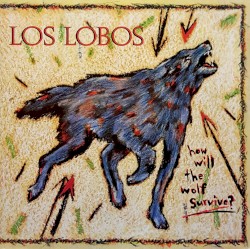
The band's first noteworthy public appearance occurred in 1980 at the Olympic Auditorium in Los Angeles, when they were hired by David Ferguson and CD Presents to open for Public Image Ltd. On September 28, 1983, the band released an extended play entitled ...And a Time to Dance, which was well received by critics but sold only about 50,000 copies. Slash Records/Warner Bros Records was not confident enough in Los Lobos to release a standard 10-song LP. So they released a 7-song debut LP. Seven months after the release, the group won a Grammy Award for Best Mexican American Song in 1984 However, the sales of the EP earned the group enough money to purchase a Dodge van, enabling the band to tour throughout the United States for the first time. Los Lobos returned to the studio in the summer of 1984 to record its first major-label album, How Will the Wolf Survive? The album's title and the title song were inspired by a National Geographic article entitled "Where Can the Wolf Survive?," which the band members related to their own struggle to gain success in the United States while maintaining their Mexican roots.
Los Lobos were exposed to Rock and Roll audiences when they opened for The Clash, and they later opened for the Los Angeles band the Blasters, whose influences included rhythm and blues and rockabilly. Philadelphia born Steve Berlin played saxophone for the Blasters then left the group to join Los Lobos. When he joined the band, Berlin spoke about his similar record collection to the other members of Los Lobos, where they shared loves for George Jones and Hank Williams.
正文摘自英文维基百科「Los Lobos」,按 CC BY-SA 4.0 使用;删去了参考文献、外部链接、表格和图片;篇幅所限只节选了前面一部分,全文见原条目。
资料卡
- 成立
- 1973 年
- 成立于
- 东洛杉矶
- 来自
- 美国
- 活跃起始
- 1973 年
- 流派
- 摇滚乐、奇卡诺摇滚、美洲音乐、特哈诺音乐、牛仔庞克、乡村摇滚、根源摇滚、哈特兰摇滚
- 唱片公司
- Slash Records
- 成员
- David Hidalgo(1973 起)、Cesar Rosas(1973 起)、Steve Berlin(1984 起)、Louie Pérez(1973 起)、Conrad Lozano(1974 起)
- 获奖
- Latin Grammy Lifetime Achievement Award(2014)、Billboard Latin Music Lifetime Achievement Award(2001)、Americana Lifetime Achievement Award for Performance(2015)
- 官方网站
- loslobos.org
资料来自 Wikidata Q370400(CC0)。
榜单和奖项里的专辑(1)
曲库里的其他专辑(18)
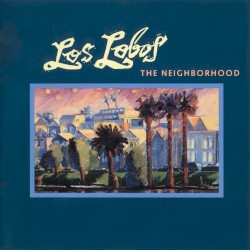
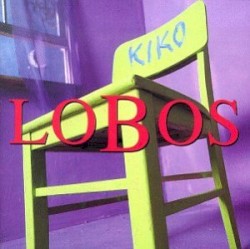
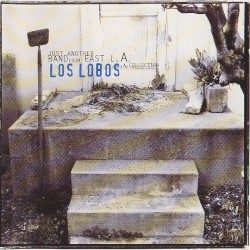
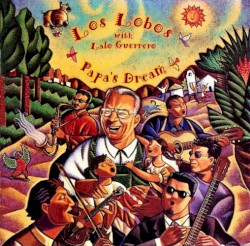
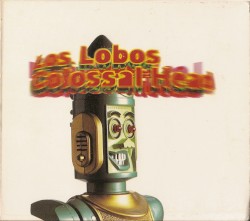
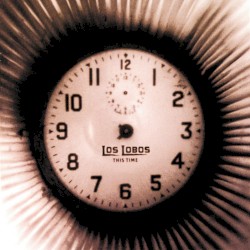
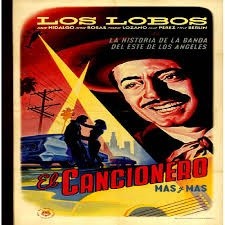
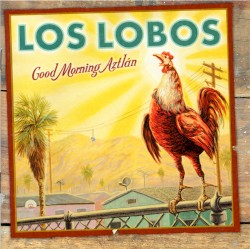
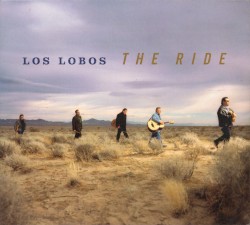
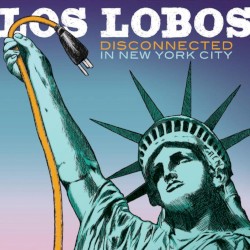
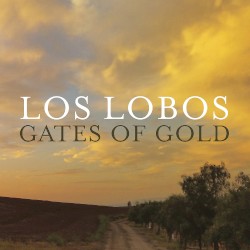
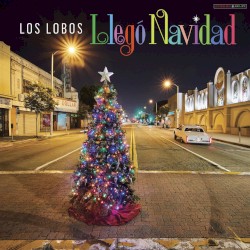
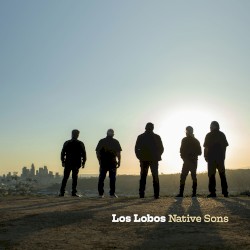
完整作品表见 MusicBrainz。
风格、年代相近的艺人
- 老鹰乐队美国 · 1971– · 乡村摇滚、民谣摇滚
- R.E.M.美国 · 1980–2011 · 另类摇滚、学院摇滚
- 杰弗逊飞机美国 · 1965–1972 · 摇滚乐、迷幻摇滚
- 琳达·罗什塔美国 · 1946– · 流行摇滚、乡村音乐
- 萝贝塔·弗莱克美国 · 1937–2025 · 灵魂乐、爵士乐
- 克罗斯比、史提尔斯、纳许与尼尔·扬美国 · 1968– · 民谣摇滚、乡村摇滚
- 妈妈与爸爸合唱团美国 · 1965– · 民谣摇滚、阳光流行
- 詹姆士·泰勒美国 · 1948– · 流行摇滚、民谣摇滚
- 邦妮·瑞特美国 · 1949– · 布鲁斯、美洲音乐
- 爱美萝·哈里斯美国 · 1947– · 乡村音乐、美洲音乐
- 唐·麦克林美国 · 1945– · 民俗音乐、摇滚乐
- 雷·库德美国 · 1947– · 摇滚乐、世界音乐