 乐单
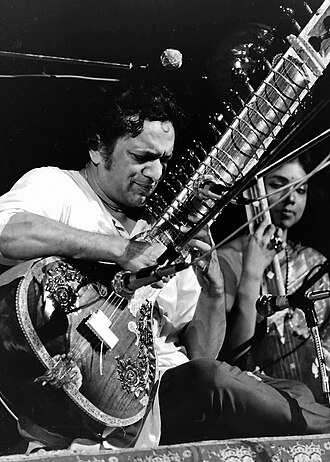
照片:Markgoff2972,CC BY-SA 4.0,Wikimedia Commons
拉维·香卡
- 生卒
- 1920 – 2012
- 国家/地区
- 英属印度、印度
- 外文名
- Ravi Shankar
- 流派
- 印度古典音乐、印度传统音乐
介绍
拉维·香卡(孟加拉语:রবি শংকর,英语:Ravi Shankar,1920年4月7日—2012年12月11日),本名Robindro Shaunkor Chowdhury,印度民族音乐作曲家,锡塔琴演奏家。Ken Hunt 称他为“地球上最著名的印度音乐家”。1944年他完成学业后,曾为《甘地传》及萨蒂亚吉特·雷伊的阿普三部曲创作配乐。1956年始,香卡开始游历欧美以推广印度传统音乐。此外,他将印度音乐元素融入西洋古典音乐作曲,创作交响曲、两首西塔琴协奏曲以及多首西塔琴搭配西方乐器(如小提琴)的室内乐。1983年曾到中国作访问演出。1999年他被授予印度最高公民荣誉印度国宝勋章,并获得三项格莱美奖。而他也是美国知名女爵士歌手诺拉·琼斯(Norah Jones)的父亲。
拉维·香卡出生在英属印度的孟加拉家庭,并与他的兄弟乌代·香卡的舞蹈团一起度过了他的青年在印度和欧洲的巡回演出。他在1938年放弃跳舞,在宫廷音乐家Allauddin Khan下研究演奏锡塔琴。在1944年完成学业后,香卡开始担任作曲,并且是1949年至1956年新德里全印广播电台音乐总监。
1956年,香卡开始前往欧洲和美洲演奏印度古典音乐,并在1960年代经由教学,与小提琴家耶胡迪·梅纽因以及披头士乐团吉他手乔治·哈里森的合作,增加了他在那里的知名度。他对后者的影响有助于在整个六十年代在流行音乐中普及使用了印度乐器。香卡通过为锡塔琴和管弦乐团创作作品从事西方音乐工作,并于20世纪70年代和80年代巡回世界。从1986年到1992年,他担任印度联邦院的提名成员。他继续表演直到他的生命结束。
正文摘自中文维基百科「拉维·香卡」,按 CC BY-SA 4.0 使用;已转为简体,删去了参考文献、外部链接、表格和图片。
英文维基百科上的更多内容(英文原文,约 3,350 字符)
Pandit Ravi Shankar (Bengali: [ˈrobi ˈʃɔŋkor]; born Robindro Shaunkor Chowdhury, sometimes spelled as Ravindra Shankar Chowdhury; 7 April 1920 – 11 December 2012) was an Indian sitarist and composer. A sitar virtuoso, he was, together with sarod virtuoso Ali Akbar Khan, among the most prominent exponents of Hindustani classical music in the second half of the 20th century, and played a major role in bringing Indian classical music to international audiences. Shankar influenced many musicians in India and throughout the world. He was awarded India's highest civilian honour, the Bharat Ratna, in 1999. He is also the father of American singer Norah Jones and British-American musician and sitar player Anoushka Shankar.
Shankar was born to a Bengali family in India, and spent his youth as a dancer touring India and Europe with the dance group of his brother Uday Shankar. At age 18, he gave up dancing to pursue a career in music, studying the sitar for seven years under court musician Allauddin Khan. After finishing his studies in 1944, Shankar worked as a composer, creating the music for the Apu Trilogy by Satyajit Ray, and was music director of All India Radio, New Delhi, from 1949 to 1956.
In 1956, Shankar began to tour Europe and America, playing Indian classical music. He increased its popularity there in the 1960s through teaching, performance, and his association with violinist Yehudi Menuhin and Beatles guitarist George Harrison. His influence on Harrison helped popularize the use of Indian instruments in Western pop music in the latter half of the 1960s. Shankar engaged Western music by writing compositions for sitar and orchestra and touring the world in the 1970s and 1980s. From 1986 to 1992, he served as a nominated member of Rajya Sabha, the upper house of the Parliament of India. He continued to perform until the end of his life. He was a recipient of numerous prestigious musical accolades, including a Polar Music Prize and four Grammy Awards, including Album of the Year for The Concert for Bangladesh in 1973, as well as an Academy Award nomination for Best Original Score for scoring the blockbuster Gandhi (1982).
Early life
Shankar was born on 7 April 1920 in Benares (now Varanasi), then the capital of the princely state of the same name, in a Bengali Hindu family, as the youngest of seven brothers. His father, Shyam Shankar Chowdhury, was a Middle Temple barrister and scholar who was from Narail district of modern-day Bangladesh (then Jessore district in Bengal, British India). A statesman, lawyer, and politician, he served for several years as dewan (Prime Minister) of Jhalawar State, Rajasthan, and used the Sanskrit spelling of the family name and removed its last part. Shyam was married to Hemangini Devi, who hailed from a small village named Nasrathpur in Mardah block of Ghazipur district, near Benares and her father was a prosperous landlord. Shyam later worked as a lawyer in London, England, and there he married a second time while Devi raised Shankar in Benares, and he did not meet his son until he was eight years old.
Shankar shortened the Sanskrit version of his first name, Ravindra, to Ravi, for "sun". Shankar had five siblings: Uday (who became a choreographer and dancer), Rajendra, Debendra and Bhupendra. Shankar attended the Bengalitola High School in Benares between 1927 and 1928.
这部分摘自英文维基百科「Ravi Shankar」,按 CC BY-SA 4.0 使用;删去了参考文献、外部链接、表格和图片;篇幅所限只节选了前面一部分,全文见原条目。
资料卡
- 出生
- 1920 年 4 月 7 日
- 出生地
- 瓦拉纳西
- 去世
- 2012 年 12 月 11 日
- 去世地
- 圣迭戈
- 国籍
- 英属印度(1947)、印度(1950 起)
- 活跃起始
- 1930 年
- 活跃结束
- 2012 年
- 职业
- 作曲家、sitarist、电影导演、政治人物、指挥家、歌手、音乐家
- 乐器
- 锡塔琴
- 流派
- 印度古典音乐、印度传统音乐
- 唱片公司
- His Master's Voice、私人音乐、苹果唱片、黑马唱片公司、德意志留声机公司、太平洋爵士唱片、Manticore Records
- 所属团体
- 美国艺术暨文学学会
- 使用语言
- 英语
- 获奖
- 艺术与文学勋章司令勋位、大英帝国爵级司令勋章、拉蒙·麦格塞塞奖(1992)、格莱美终身成就奖(2013)、Banga Bibhushan、高松宫殿下纪念世界文化奖(1997)、James Parks Morton Interfaith Award、Sangeet Natak Akademi Award(1962)、莲花装勋章(1967)、格莱美最佳室内乐演奏奖(1967)、格莱美年度专辑奖(1972)、保拉音乐奖(1998)
- 官方网站
- ravishankar.org
资料来自 Wikidata Q103774(CC0)。
榜单和奖项里的专辑(1)
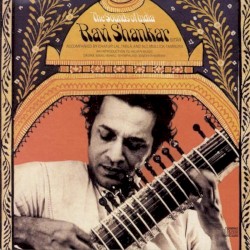
曲库里的其他专辑(8)
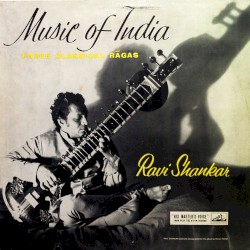
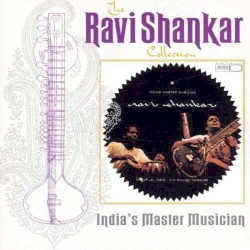
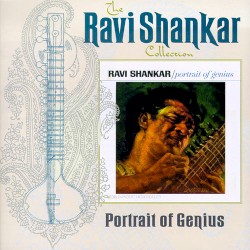
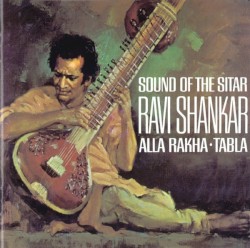
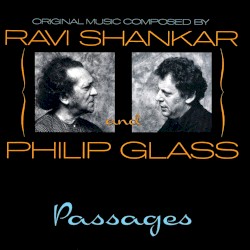
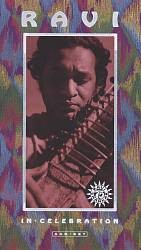
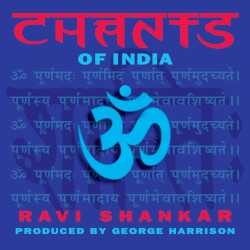
完整作品表见 MusicBrainz。
有关联的艺人
成员、所属团体、受到的影响,来自 Wikidata。