 乐单

照片:wpopp,CC BY-SA 3.0,Wikimedia Commons
约翰博士
- 生卒
- 1941 – 2019
- 国家/地区
- 美国
- 外文名
- Dr. John
- 流派
- 节奏布鲁斯、摇滚乐、布鲁斯、放克、布基伍基
介绍
这个词条没有中文维基百科条目,下面是英文维基百科的原文。
Malcolm John Rebennack Jr. (November 20, 1941 – June 6, 2019), better known by his stage name Dr. John, was an American singer, songwriter and pianist. His music combined New Orleans blues, jazz, R&B, soul and funk.
Active as a session musician from the late 1950s until his death, he gained a following in the late 1960s after the release of his album Gris-Gris (1968) and his appearance at the Bath Festival of Blues and Progressive Music (1970). He typically performed a lively, theatrical stage show inspired by medicine shows, Mardi Gras costumes, and voodoo ceremonies. Rebennack recorded thirty studio albums and nine live albums, as well as contributing to thousands of other musicians' recordings. In 1973, he achieved a top-10 hit single with "Right Place, Wrong Time".
He was inducted into the Rock and Roll Hall of Fame in 2011.
Early life and career
Rebennack was born in New Orleans, Louisiana, on November 20, 1941. He was the son of Dorothy (née Cronin) and Malcolm John Rebennack, and had German, Irish, Spanish, English, and French heritage. His father ran an appliance shop in the East End of New Orleans, fixing radios and televisions and selling records. Growing up in the 3rd Ward of New Orleans, he found early musical inspiration in the minstrel show tunes sung by his grandfather and a number of aunts, uncles, sister, and cousins who played piano. He did not take music lessons before his teens and endured only a short stint in choir before getting kicked out. When Rebennack was a young boy, his father exposed him to jazz musicians King Oliver and Louis Armstrong, who later inspired his 2014 release, Ske-Dat-De-Dat: The Spirit of Satch. Throughout his adolescence, his father's connections enabled him access to the recording rooms of rock artists, including Little Richard and Guitar Slim. Later he began to perform in New Orleans clubs, mainly on guitar, and played on stage with various local artists.
When he was about 13 years old, Rebennack met Professor Longhair. Impressed by the professor's flamboyant attire and striking musical style, Rebennack soon began performing with him, and began his life as a professional musician. He later recalled that his debut in the studio, in about 1955 or 1956, came when he was signed as a songwriter and artist by Eddie Mesner at Aladdin Records. He joined the musicians' union at the end of 1957, with the help of Danny Kessler, and then considered himself to be a professional musician.
At age 16, Rebennack was hired by Johnny Vincent as a producer at Ace Records. There, he gained experience working with many artists, including James Booker, Earl King, and Jimmy Clanton. While a struggling student at Jesuit High School, he was already playing in night clubs, something the Jesuit fathers disapproved of. He formed his first band, The Dominoes, while at the school. The priests told him to either stop playing in clubs or leave the school. Rebennack was expelled from the high school in 1954 and from then on focused entirely on music.
In late 1950s New Orleans, Rebennack led his own band, Mac Rebennack and the Skyliners, (Paul Staehle/Dennis "Bootsie" Cuquet, drums; Earl Stanley, bass; Charlie Miller, trumpet; Charlie Maduell, sax; Roland "Stone" LeBlanc, vocals), while playing gigs with others, including Frankie Ford and the Thunderbirds, and Jerry Byrne and the Loafers. His first (co-written) rock and roll song "Lights Out" (1957), sung by Jerry Byrne, was a regional hit. He had a regional hit with a Bo Diddley-influenced instrumental called "Storm Warning" on Rex Records in 1959. At A&R, he and Charlie Miller recorded monophonic singles on 45s for Johnny Vincent and Joe Ruffino for local labels Ace, Ric, and Ron. He oversaw the rhythm section while Miller wrote the horn arrangements and headed up the horns. This continued until Miller moved to New York to study music formally.
Rebennack's career as a guitarist was stunted around 1960, when the ring finger on his left (guitar fretting) hand was injured by a gunshot during an incident at a Jacksonville, Florida gig. After the injury, Rebennack concentrated on bass guitar before making piano his main instrument, developing a style influenced by Professor Longhair.
Rebennack became involved in illegal activities in New Orleans, using and selling narcotics and running a brothel. He was arrested on drug charges and sentenced to two years in the Federal Correctional Institution, Fort Worth. His sentence ended in 1965 and he left for Los Angeles.
Once settled in Los Angeles he became a "first call" session musician in the Los Angeles studio scene in the 1960s and 1970s and was part of "The Wrecking Crew" stable of studio musicians. He provided backing for Sonny & Cher (and some of the incidental music for Cher's first film, Chastity), for Canned Heat on their albums Living the Blues (1968) and Future Blues (1970), and for Frank Zappa and the Mothers of Invention on Freak Out! (1966).
正文摘自英文维基百科「Dr. John」,按 CC BY-SA 4.0 使用;删去了参考文献、外部链接、表格和图片;篇幅所限只节选了前面一部分,全文见原条目。
资料卡
- 本名
- Malcolm John Rebennack
- 艺名 / 别名
- Dr. John、Dr. John Creaux
- 出生
- 1941 年 11 月 21 日、1941 年 11 月 20 日
- 出生地
- 新奥尔良
- 去世
- 2019 年 6 月 6 日
- 去世地
- 新奥尔良
- 国籍
- 美国
- 活跃起始
- 1950 年
- 职业
- 创作歌手、键盘手、电影配乐作曲家、音乐家、歌手、作曲家、爵士音乐家、钢琴家、词曲作家
- 乐器
- 数码管风琴、钢琴、人声、吉他、键盘、哈蒙德风琴、风琴、电钢琴
- 流派
- 节奏布鲁斯、摇滚乐、布鲁斯、放克、布基伍基、迪克西兰
- 唱片公司
- 蓝色音符唱片、阿特科、华纳音乐集团、Nonesuch唱片公司、Concord唱片公司、联美唱片公司、GRP唱片、Proper Records
- 使用语言
- 英语
- 获奖
- Americana Lifetime Achievement Award for Performance(2013)、摇滚名人堂(2011)、MOJO Awards、Blues Music Award、Grammy Award for Best Blues Album
- 官方网站
- nitetripper.com
资料来自 Wikidata Q511074(CC0)。
榜单和奖项里的专辑(2)
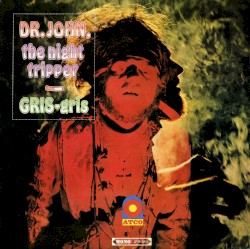
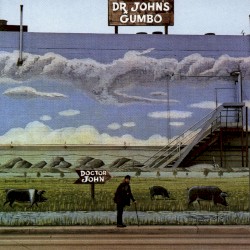
风格、年代相近的艺人
- 昆西·琼斯美国 · 1933–2024 · 爵士乐、灵魂乐
- 法兹·多米诺美国 · 1928–2017 · 摇滚、节奏布鲁斯
- 史提夫·汪达美国 · 1950– · 节奏布鲁斯、灵魂乐
- 戴安娜·罗斯美国 · 1944– · 流行音乐、灵魂乐
- 艾瑞莎·弗兰克林美国 · 1942–2018 · 灵魂乐、放克
- 雷·查尔斯美国 · 1930–2004 · 爵士乐、灵魂乐
- 詹姆士·布朗美国 · 1933–2006 · 灵魂乐、放克
- 妮娜·西蒙美国 · 1933–2003 · 爵士乐、灵魂乐
- 小理查德美国 · 1932–2020 · 摇滚乐、灵魂乐
- 埃塔·詹姆丝美国 · 1938–2012 · 布鲁斯、灵魂乐
- 约翰·李·霍克美国 · 1917–2001 · 布鲁斯、节奏布鲁斯
- 吉米·奥斯卡·史密斯美国 · 1925–2005 · 放克、硬博普乐