 乐单
Juvenile
- 生卒
- 1975 –
- 国家/地区
- 美国
- 流派
- 嘻哈音乐、弹跳音乐、匪帮说唱、dirty south、南部嘻哈
介绍
这个词条没有中文维基百科条目,下面是英文维基百科的原文。
Terius Gray (born March 26, 1975), better known by his stage name Juvenile, is an American rapper best known for his work with Birdman's Cash Money Records in the late 1990s and early 2000s, both solo and as a member of the label's then-flagship group, Hot Boys.
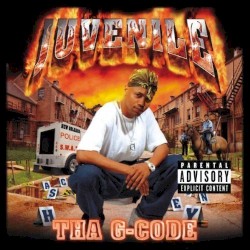
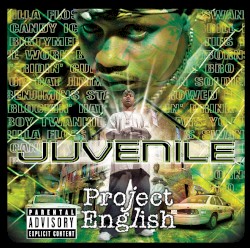
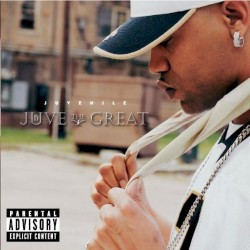
Juvenile's career began in the early 1990s as a teenager with bounce music recordings that earned him local recognition. After releasing his debut studio album—Being Myself (1995)—to regional success, he signed with Cash Money and saw his mainstream breakthrough with his second and third albums, Solja Rags (1997) and 400 Degreez (1998). The latter peaked at number nine on the Billboard 200, received quadruple platinum certification by the Recording Industry Association of America (RIAA), and was supported by the singles "Ha" and "Back That Azz Up" (featuring Mannie Fresh and Lil Wayne)—his first Billboard Hot 100 entries. He released three subsequent albums—Tha G-Code (1999), Project English (2001) and Juve the Great (2003)—for the label to continued success, the latter of which spawned the 2004 single "Slow Motion" (featuring Soulja Slim), which peaked atop the Billboard Hot 100 and became his only song to do so.
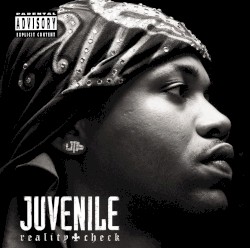
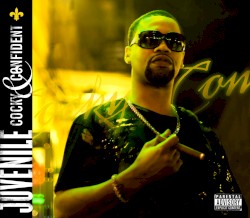
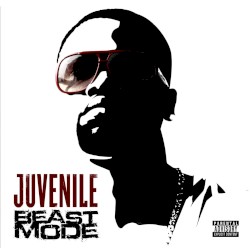
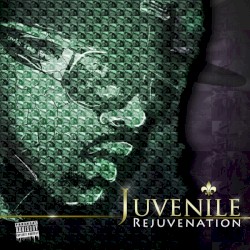
Following his departure from Cash Money, Juvenile briefly signed with Atlantic Records. His seventh album, Reality Check (2006) debuted atop the Billboard 200, and was followed by Cocky & Confident (2009). He then independently released the albums Beast Mode (2010), Rejuvenation (2012), and The Fundamentals (2014). During his solo work, he formed the hip hop group UTP in 2002, with whom he has released two albums; the former of which spawned the 2004 single "Nolia Clap." He returned to Cash Money in 2014.
Early life
Terius Gray was born on March 26, 1975. He was raised in the Magnolia Projects in Uptown New Orleans, Louisiana's 3rd Ward and attended Our Lady of Grace Catholic School. He began rapping around age 11, which his mother disapproved of, leading him to sneak out of his house to perform. Neighbors would taunt Gray as ignorant and call him a "little juvenile", so Gray began using the rap name Juvenile as a teenager.
Career
1991–1997: Beginnings, Being Myself and Solja Rags
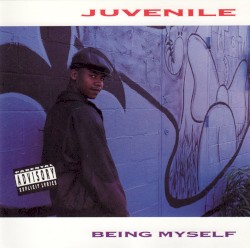
After being noticed at local talent shows, Juvenile made his recording debut on tracks by bounce music artist DJ Jimi, who released "It's Jimi" in 1991 and "Bounce (For the Juvenile)" in 1993. Juvenile's debut studio album, Being Myself, was released in 1994 by Warlock Records. The album did not gain much national attention and did not chart, but did fairly well on a local level.
After Being Myself, Juvenile left Warlock due to creative differences, as he disagreed with the label wanting him to record bounce music. Juvenile then got a job at a gas processing plant. After work one day, he encountered Cash Money Records CEO Bryan "Baby" Williams at a bus stop. They had a brief conversation, before Juvenile improvised a freestyle rap for Baby. Juvenile later visited Baby and producer Mannie Fresh at Cash Money Records, performing raps for about a half hour.
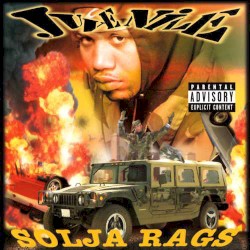
In 1997, Juvenile released his second album Solja Rags through Cash Money. It became popular among local rap audiences, and also saw some national success as it charted on the Billboard Hot R&B/Hip-Hop Songs chart. It was the first time he worked with Cash Money Records in-house producer Mannie Fresh, who would go on to produce all of Juvenile's albums on Cash Money in their entirety except Juve the Great. Also in 1997, Juvenile joined the Hot Boys with fellow Cash Money rappers B.G., Turk, and Lil Wayne. They released their debut album as a group, Get It How U Live! that same year.
1998–2002: 400 Degreez, Tha G-Code and Project English
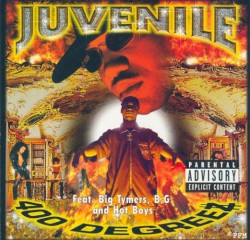
Juvenile's third album, 400 Degreez, was released in November 1998. The Cash Money label entered a distribution deal from Universal Records during the same time, which gave the label further national promotion. Its first single, "Ha" was released the month prior and became his first to enter the Billboard Hot 100. The album spawned the follow up single, "Back That Azz Up" (featuring Lil Wayne and Mannie Fresh), which was released commercially in June 1999 and peaked at number 19 on the chart and number five on the Hot R&B/Hip-Hop Songs chart. This, along with wider critical praise and it becoming his best-selling album, made Juvenile a prominent figure in hip hop. However, disputes arose regarding the rights to 'Back That Azz Up,' as another New Orleans performer, DJ Jubilee, alleged that Juvenile's song closely resembled one of his own. In January 2005, the United States Court of Appeals for the Fifth Circuit in New Orleans denied the case.
Capitalizing off the album's success, Warlock released a remixed version of his debut Being Myself, and commercial reissue of his second, Solja Rags that same year. In July 1999, he released his second album with Hot Boys, Guerrilla Warfare, which also received platinum certification.
正文摘自英文维基百科「Juvenile (rapper)」,按 CC BY-SA 4.0 使用;删去了参考文献、外部链接、表格和图片;篇幅所限只节选了前面一部分,全文见原条目。
资料卡
- 本名
- Terius Gray
- 艺名 / 别名
- Juvenile
- 出生
- 1975 年 3 月 26 日
- 出生地
- 新奥尔良
- 国籍
- 美国
- 活跃起始
- 1991 年
- 职业
- 说唱歌手、词曲作家、演员、音乐家
- 乐器
- 人声
- 流派
- 嘻哈音乐、弹跳音乐、匪帮说唱、dirty south、南部嘻哈、硬核说唱
- 唱片公司
- 现金唱片、环球唱片、大西洋唱片、Rap-A-Lot Records、环球唱片、娱乐一线音乐、环球摩城唱片、Warlock Records、Fontana Distribution、Maverick公司
- 所属团体
- UTP
- 使用语言
- 英语
- 官方网站
- juvenilerealitycheck.com
资料来自 Wikidata Q724501(CC0)。
榜单和奖项里的专辑(1)
曲库里的其他专辑(9)
完整作品表见 MusicBrainz。
风格、年代相近的艺人
- 埃米纳姆美国 · 1972– · 嘻哈音乐、恐怖核
- 吐派克·夏库尔美国 · 1971–1996 · 西海岸嘻哈、匪帮说唱
- 玛丽亚·凯莉美国 · 1969– · 当代节奏布鲁斯、流行音乐
- 联合公园美国 · 1996– · 嘻哈音乐、另类金属
- 50 Cent美国 · 1975– · 东海岸嘻哈、匪帮说唱
- 肯伊·威斯特美国 · 1977– · 嘻哈音乐、流行音乐
- 布鲁诺·马尔斯美国 · 1985– · 流行音乐、当代节奏布鲁斯
- 史努比狗狗美国 · 1971– · 西海岸嘻哈、匪帮放克
- 德瑞医生美国 · 1965– · 匪帮说唱、匪帮放克
- 杰斯美国 · 1969– · 东海岸嘻哈、黑手党说唱
- 艾斯·库伯美国 · 1969– · 西海岸嘻哈、匪帮说唱
- 小韦恩美国 · 1982– · 南部嘻哈、硬核说唱