乐单
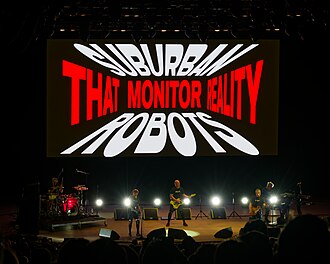
照片:Ian Abbott,CC BY 4.0,Wikimedia Commons
退化
- 成立 / 解散
- 1972 –
- 国家/地区
- 美国
- 外文名
- Devo
- 流派
- 艺术摇滚、新浪潮
- 成员
- 马克·马瑟斯鲍夫、杰拉尔德·卡萨尔、鲍勃·马瑟斯鲍夫、Jim Mothersbaugh、Bob Casale、Bob Lewis、Rod Reisman、Fred Weber、Alan Myers、David Kendrick、乔什·弗里兹、Josh Hager
介绍
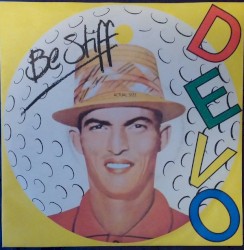
退化(英语:Devo)是一支美国新浪潮乐队,1973年组建于俄亥俄州阿克伦,1978年发行首张专辑《Q: Are We Not Men? A: We Are Devo!》。乐队最为知名的歌曲是曾打入公告牌百强单曲榜第14位的歌曲《Whip It》;他们的统一着装和佩戴“能量穹顶”(Energy Dome)帽子的视觉风格也使人印象深刻。
正文摘自中文维基百科「退化 (乐队)」,按 CC BY-SA 4.0 使用;已转为简体,删去了参考文献、外部链接、表格和图片。
英文维基百科上的更多内容(英文原文,约 3,058 字符)
Devo is an American new wave band from Akron, Ohio, formed in 1973. Their classic line-up consisted of two sets of brothers, the Mothersbaughs (vocalist Mark and lead guitarist Bob) and the Casales (bassist Gerald and rhythm guitarist Bob), along with drummer Alan Myers. While the band is best known for their 1980 single "Whip It," their only top 40 hit on the Billboard Hot 100, they continue to have a loyal following.
Devo's music and visual presentation (including stage shows and costumes) mingle kitsch science fiction themes, deadpan surrealist humor and mordantly satirical social commentary. The band's namesake, the tongue-in-cheek social theory of "de-evolution", was an integral concept in their early work, which was marked by experimental and dissonant art punk that merged rock music with electronics. Their output in the 1980s embraced synth-pop and a more mainstream, less conceptual style, though the band's satirical and quirky humor remained intact. Their music has proven influential on subsequent movements, particularly on new wave, industrial, and alternative rock artists, as well as an internet microgenre originally known as "devo-core". Devo (most enthusiastically Gerald Casale) was also a pioneer of the music video format.
History
1973–1978: Formation
The name Devo comes from the concept of "de-evolution" and the band's related idea that instead of continuing to evolve, mankind had begun to regress, as evidenced by the dysfunction and herd mentality of American society. In the late 1960s, this idea was developed as a joke by Kent State University art students Gerald Casale and Bob Lewis, who created a number of satirical art pieces in a devolution vein. At this time, Casale had also performed with the local band 15-60-75 (The Numbers Band). They met Mark Mothersbaugh around 1970, a talented keyboardist who had been playing with the band Flossy Bobbitt. Mothersbaugh brought a more humorous feel to the band, introducing them to material like the pamphlet "Jocko Homo Heavenbound", which includes an illustration of a winged devil labelled "D-EVOLUTION" and would later inspire the song "Jocko Homo". The "joke" about de-evolution became serious following the Kent State massacre of May 4, 1970. This event would be cited multiple times as the impetus for forming the band Devo. Throughout the band's career, they have often been considered a "joke band" by the music press.
The first form of Devo was the "Sextet Devo" which performed at the 1973 Kent State performing arts festival. It included Casale, Lewis and Mothersbaugh, as well as Gerald's brother Bob Casale on guitar, and friends Rod Reisman and Fred Weber on drums and vocals, respectively. This performance was filmed and an excerpt was later included on the home video release The Complete Truth About De-Evolution. This lineup performed only once. Devo returned to perform in the Student Governance Center (featured prominently in the film) at the 1974 Creative Arts Festival with a lineup including the Casale brothers, Bob Lewis, Mark Mothersbaugh, and Jim Mothersbaugh on drums.
这部分摘自英文维基百科「Devo」,按 CC BY-SA 4.0 使用;删去了参考文献、外部链接、表格和图片;篇幅所限只节选了前面一部分,全文见原条目。
资料卡
- 成立
- 1972 年
- 成立于
- 肯特
- 来自
- 美国
- 活跃起始
- 1972 年
- 流派
- 艺术摇滚、新浪潮
- 唱片公司
- 华纳兄弟唱片公司
- 成员
- 马克·马瑟斯鲍夫、杰拉尔德·卡萨尔、鲍勃·马瑟斯鲍夫、Jim Mothersbaugh、Bob Casale、Bob Lewis、Rod Reisman、Fred Weber、Alan Myers、David Kendrick、乔什·弗里兹、Josh Hager
- 官方网站
- clubdevo.com
资料来自 Wikidata Q908848(CC0)。
榜单和奖项里的专辑(1)
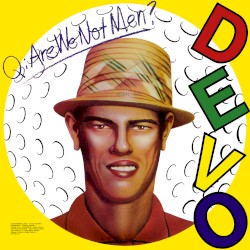
曲库里的其他专辑(12)
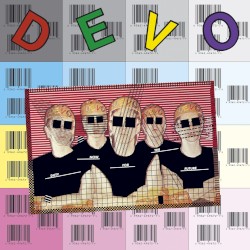
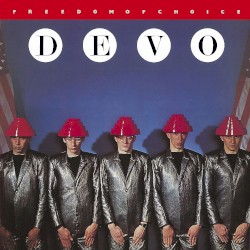
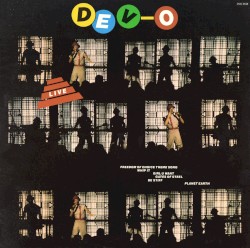
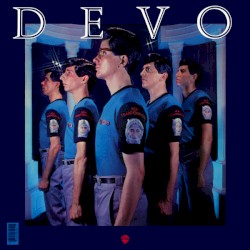
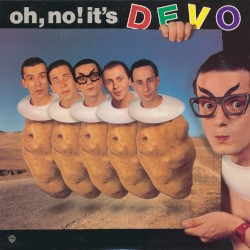
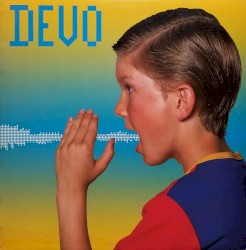
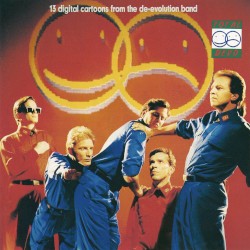
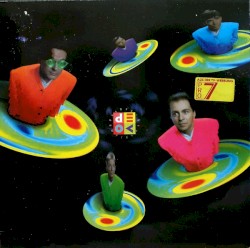

完整作品表见 MusicBrainz。