乐单
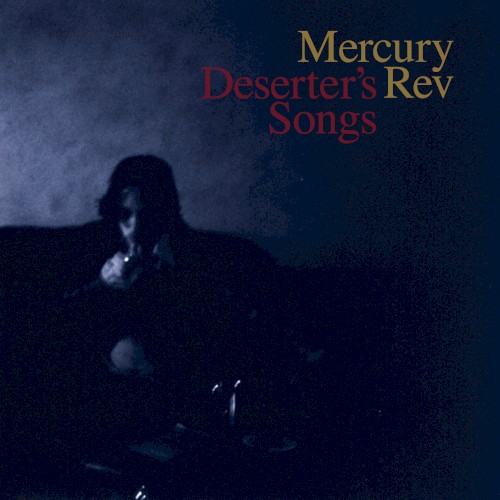
Deserter's Songs (1998)
曲目
- 1Holes5:56
- 2Tonite It Shows3:40
- 3Endlessly4:25
- 4I Collect Coins1:27
- 5Opus 405:11
- 6Hudson Line2:54
- 7The Happy End (The Drunk Room)2:06
- 8Goddess on a Hiway3:45
- 9The Funny Bird5:52
- 10Pick Up If You’re There3:06
- 11Delta Sun Bottleneck Stomp6:17
- 12[untitled]0:05
12 首 · 约 45 分钟 · 依据 1998 US 发行的版本,在 MusicBrainz 看这个版本。
介绍
这个词条没有中文维基百科条目,下面是英文维基百科的原文。
Deserter's Songs is the fourth studio album by American rock band Mercury Rev, released in late September 1998. British music magazine NME named Deserter's Songs album of the year for 1998. Limited edition copies of the album came in a brown cardboard envelope-like package, with a stamp on the cover postmarked with the release date, as well as two art postcards.
The success of this album was a surprise for the band. After the commercial failure of their previous album See You on the Other Side, which frontman Jonathan Donahue considered to be the band's best album, they decided to make one more record entirely for themselves, ignoring commercial influences, and expecting to split up shortly afterward. Surprisingly, Deserter's Songs was their most successful album, bringing them popularity in the UK and Europe, also making a smaller mark in the US.
Background
The world wasn't exactly waiting for another Mercury Rev record. — Mercury Rev frontman Jonathan Donahue
When Mercury Rev returned home from touring their 1995 album See You on the Other Side, they were a band in disarray. Sales of See You had been disappointing and, as a result, the band had requested to be dropped from their label. To make matters worse, the band's manager was gone, longtime drummer Jimy Chambers had left the band, their lawyers had recently been let go, and Mercury Rev was in debt. As frontman Jonathan Donahue slid into a deep depression, communication between the band members was virtually non-existent.
In the depths of his depression, Donahue began listening to some of his favorite childhood records, including Tale Spinners for Children, a collection of spoken-word fairy tales set to classical music. Influenced by this decidedly non-rock musical source, the frontman started composing and recording simple melodies on the piano. These demo recordings would prove to be the first steps in the new direction Mercury Rev would take on Deserter's Songs.
Donahue was approached at this time by The Chemical Brothers and asked to play on a song of theirs called "The Private Psychedelic Reel". Shocked that someone not only remembered Mercury Rev but also wanted to collaborate, Donahue enthusiastically dove into the project. It would be the boost that he needed to restore his confidence and focus on making music again.
Following his Chemical Brothers collaboration, Donahue started talking to Mercury Rev guitarist Sean "Grasshopper" Mackowiak, and the two began sharing and recording musical ideas. Donahue has since revealed that creating Deserter's Songs was more about reestablishing his friendship with Grasshopper (whom he considered his best friend) than anything else. Grasshopper also mentioned that both men were struggling with drugs and relationships at the time.
"It's a record born out of a certain amount of pain," Donahue told Q, "because, after the last tour, we basically fell apart. Grasshopper checked himself into a monastery, the drummer quit, and I suffered two nervous breakdowns. I lost my girlfriend and hurt a lot of the people I love. It was a pretty horrible time; something I can never wholly rectify."
Writing and recording
I think it's special because that was the one that brought us back from the brink. — Mercury Rev guitarist Sean "Grasshopper" Mackowiak on Deserter's Songs
By this time, Donahue and Grasshopper had relocated to the Catskill Mountains, where the writing and recording of Deserter's Songs would ensue over the next six months. Two of the first songs written, "Opus 40" and "The Hudson Line", referenced their new Catskill surroundings. The latter detailed Grasshopper leaving New York City (and its temptations) to spend a month in a Jesuit retreat house in upstate New York. The Catskill influence was only solidified when Garth Hudson and Levon Helm from The Band—who lived in the area—joined the recording sessions.
The song "Goddess on a Hiway" was originally written by Donahue in 1989 while he was still a member of The Flaming Lips. The song had been largely forgotten until it was found on an old cassette tape during the Deserter's sessions. Donahue was reluctant to work on the old song, and had to be convinced by Grasshopper to resurrect it for the album. "Goddess" would later be released as a single.
Thematically, the songs written and recorded for the album explored the act of leaving—of "walking away", as Donahue explained. And indeed, with the band members sensing that the end was near, the album was intended to be something of a farewell from Mercury Rev. Midway through recording, the band signed to V2 Records. Their new record label, fully aware of Mercury Rev's unpredictable and chaotic past, cautiously began funneling money to the band piecemeal to complete the album.
正文摘自英文维基百科「Deserter's Songs」,按 CC BY-SA 4.0 使用;删去了参考文献、外部链接、表格和图片;篇幅所限只节选了前面一部分,全文见原条目。
资料卡
- 作品性质
- 音乐专辑
- 表演者
- 水星逆转
- 发行日期
- 1998 年
- 流派
- 另类摇滚
- 唱片公司
- V2唱片
- 制作人
- 戴夫·弗里德曼
- 上一部
- See You on the Other Side
- 下一部
- All Is Dream
资料来自 Wikidata Q904278(CC0)。
制作名单
- 厂牌
- V2(目录号 63881-27027-2)
制作
- 制作人
- Jonathan Donahue(第 5 首)、Dave Fridmann(第 5 首)
演奏与演唱
- 鼓
- 莱文·赫尔姆(第 5 首)
- 中音萨克斯
- Garth Hudson(第 6 首)
- 次中音萨克斯
- Garth Hudson(第 6 首)
- 演唱
- Grasshopper Mackowiak(第 6 首)
词曲与编曲
- 作曲
- Jonathan Donahue(其中 11 首)、Grasshopper Mackowiak(其中 11 首)
- 作词
- Jonathan Donahue(其中 9 首)、Grasshopper Mackowiak(第 6 首)
- 词曲
- Jimy Chambers(第 11 首)
名单来自 MusicBrainz(CC0)这一发行版本的关系数据,由志愿者录入,不一定齐全。
更多资料与乐评
在哪听
水星逆转 的其他专辑
艺人页 ›
相似的专辑


同在 1998 年发行