乐单
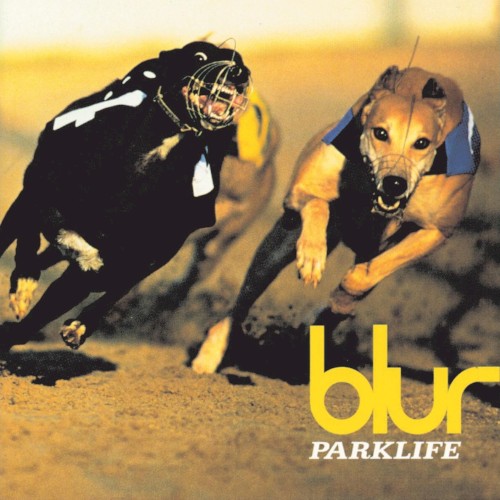
Parklife (1994)
滚石 500(2020) #4381001 张专辑全英音乐奖 · 年度英国专辑 1995
- 艺人
- 布勒
- 发行
- 1994-04-25
- 类型
- 专辑
- 唱片公司
- Food唱片、SBK唱片
- 制作人
- 史蒂芬·史崔特
- 版本
- MusicBrainz 上有 21 个发行版本
曲目
- 1Girls & Boys4:50
- 2Tracy Jacks4:20
- 3End of a Century2:46
- 4Parklife3:05
- 5Bank Holiday1:42
- 6Badhead3:26
- 7The Debt Collector2:11
- 8Far Out1:41
- 9To the End4:05
- 10London Loves4:15
- 11Trouble in the Message Centre4:10
- 12Clover Over Dover3:22
- 13Magic America3:38
- 14Jubilee2:48
- 15This Is a Low5:07
- 16Lot 1051:18
16 首 · 约 53 分钟 · 依据 1994-04-26 US 发行的版本,在 MusicBrainz 看这个版本。
介绍
《居无定所》(英语:Parklife)是英国另类摇滚乐队模糊的第三张录音室专辑,由Food Records在1994年4月发行。他们的上一张专辑的《Modern Life Is Rubbish》(1993年)销售不理想,Parklife在其四首热门单曲"Girls & Boys"、"End of a Century"、"Parklife"和"To the End"的帮助之下使模糊在英国重新流行。在其发布后的一年后重新定义了新兴的英伦摇滚。
正文摘自中文维基百科「居無定所」,按 CC BY-SA 4.0 使用;已转为简体,删去了参考文献、外部链接、表格和图片。
英文维基百科上的更多内容(英文原文,约 3,277 字符)
Parklife is the third studio album by the English rock band Blur, released on 25 April 1994, by Food Records. After moderate sales for their previous album Modern Life Is Rubbish (1993), Parklife returned Blur to prominence in the UK, helped by its four hit singles: "Girls & Boys", "To the End", "Parklife" and "End of a Century".
Certified four times platinum in the United Kingdom by the British Phonographic Industry (BPI), the album came to define the emerging Britpop scene in the year following its release, along with the album Definitely Maybe by future rivals Oasis. Britpop in turn would form the backbone of the broader Cool Britannia movement. Parklife therefore has attained a cultural significance beyond its considerable sales and critical acclaim, cementing its status as a landmark in British rock music.
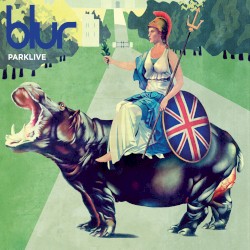
In 2010, Parklife was one of ten album covers from English artists commemorated on a UK postage stamp issued by the Royal Mail. In 2015, Spin included the album in their list of "The 300 Best Albums of 1985–2014". Rolling Stone magazine ranked the album number 438 in its 2020 list of the "500 Greatest Albums of All Time".
To commemorate the album's 30th anniversary, it was released as a zoetrope picture disc for Record Store Day 2024.
Recording
In 1990, a year before Blur's debut album, Damon Albarn, the band's vocalist, had told a group of music journalists, "When our third album comes out, our place as the quintessential English band of the '90s will be assured. That is a simple statement of fact. I intend to write it in 1994."
After the completion of recording sessions for Blur's previous album, Modern Life Is Rubbish, Albarn began to write prolifically. Blur demoed Albarn's new songs in groups of twos and threes. Due to their precarious financial position at the time, Blur quickly went back into the studio with producer Stephen Street to record their third album. Blur met at the Maison Rouge recording studio in August 1993 to record their next album. The recording was a relatively fast process, apart from the song "This Is a Low".
While the members of Blur were pleased with the final result, Food Records owner David Balfe was not, telling the band's management "This is a mistake". Soon afterwards, Balfe sold Food to EMI.
Music
Blur frontman Damon Albarn told NME in 1994, "For me, Parklife is like a loosely linked concept album involving all these different stories. It's the travels of the mystical lager-eater, seeing what's going on in the world and commenting on it." Albarn cited the Martin Amis novel London Fields as a major influence on the album. Oasis guitarist Noel Gallagher was once quoted saying that Parklife was "like Southern England personified". The songs themselves span many genres, such as the synthpop-influenced hit single "Girls & Boys", the instrumental waltz interlude of "The Debt Collector", the punk rock-influenced "Bank Holiday", the spacey, Syd Barrett-esque "Far Out", and the fairly new wave-influenced "Trouble in the Message Centre". Journalist John Harris commented that while many of the album's songs "reflected Albarn's claims to a bittersweet take on the UK's human patchwork", several songs, including "To the End" (featuring Lætitia Sadier of Stereolab) and "Badhead" "lay in a much more personal space".
这部分摘自英文维基百科「Parklife」,按 CC BY-SA 4.0 使用;删去了参考文献、外部链接、表格和图片;篇幅所限只节选了前面一部分,全文见原条目。
资料卡
- 作品性质
- 音乐专辑
- 表演者
- 布勒
- 发行日期
- 1994 年 4 月 25 日
- 时长
- 52 分 39 秒
- 流派
- 英伦摇滚
- 语言
- 英语
- 唱片公司
- Food唱片、SBK唱片
- 制作人
- 史蒂芬·史崔特
资料来自 Wikidata Q241777(CC0)。
制作名单
- 厂牌
- Food(目录号 7243-8-29194-2-1)、SBK Records(目录号 7243-8-29194-2-1)、SBK Records(目录号 K2-29194)
- 录音室
- 录音:Maison Rouge(London);工程:RAK Studios(London)
制作
- 工程师
- John Smith、Stephen Hague(第 9、15 首)
- 制作人
- Stephen Street(其中 15 首)、布勒(第 9 首)、Stephen Hague(第 9 首)、John Smith(第 9 首)
- 编程
- 戴蒙·亚邦、Dave Rowntree、Stephen Street
演奏与演唱
- 哈蒙德风琴
- 戴蒙·亚邦
- 穆格合成器
- 戴蒙·亚邦
- 羽管键琴
- 戴蒙·亚邦
- 口风琴
- 戴蒙·亚邦
- 竖笛
- 戴蒙·亚邦
- 颤音琴
- 戴蒙·亚邦
- 原声吉他
- 葛拉罕·卡克森
- 单簧管
- 葛拉罕·卡克森
- 吉他
- 葛拉罕·卡克森
- 打击乐
- 葛拉罕·卡克森、Dave Rowntree
- 萨克斯
- 葛拉罕·卡克森
- 贝斯
- Alex James
- 鼓类乐器
- Dave Rowntree
- 键盘
- Stephen Street
- 和声
- 戴蒙·亚邦、葛拉罕·卡克森、Lætitia Sadier(第 9 首)
- 主唱
- 戴蒙·亚邦
- 演奏
- Kick Horns(第 3、6、7 首)、The Duke Quartet(第 2 首)
- 小提琴
- Louisa Fuller(第 2 首)、Rick Koster(第 2 首)、Mark Pharoah(第 2 首)
- 大提琴
- Ivan McCready(第 2 首)
- 中提琴
- John Metcalfe(第 2 首)
- 长号
- Richard Edwards(第 3 首)、Roddy Lorimer(第 6 首)、Neil Sidwell(第 7 首)
- 富鲁格号
- Roddy Lorimer(第 3 首)
- 念白
- Phil Daniels(第 4 首)
- 上低音萨克斯
- Simon Clarke(第 6 首)
- 次中音萨克斯
- Tim Sanders(第 6 首)
- 中音萨克斯
- Simon Clarke(第 7 首)
- 长笛
- Simon Clarke(第 7 首)
- 高音萨克斯
- Tim Sanders(第 7 首)
- 演唱
- Alex James(第 8 首)
- 手风琴
- Stephen Hague(第 9 首)
- 弦乐
- Leo Payne(第 9 首)、Chris Pitsillides(第 9 首)、Audrey Riley(第 9 首)、Chris Tombling(第 9 首)
词曲与编曲
- 作曲
- 戴蒙·亚邦、葛拉罕·卡克森、Alex James、Dave Rowntree
- 作词
- 戴蒙·亚邦(其中 14 首)、Alex James(第 8 首)
- 器乐编曲
- John Metcalfe(第 2 首)
名单来自 MusicBrainz(CC0)这一发行版本的关系数据,由志愿者录入,不一定齐全。
更多资料与乐评
在哪听
布勒 的其他专辑
艺人页 ›


相似的专辑
同在 1994 年发行