乐单
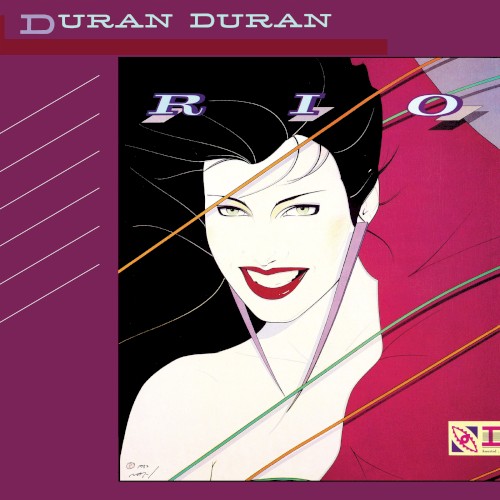
曲目
- A1Rio5:25
- A2My Own Way4:32
- A3Lonely in Your Nightmare4:51
- A4Hungry Like the Wolf5:18
- A5Hold Back the Rain6:25
- B1New Religion5:29
- B2Last Chance on the Stairway4:18
- B3Save a Prayer5:32
- B4The Chauffeur5:11
9 首 · 约 47 分钟 · 依据 1982 US 发行的版本,在 MusicBrainz 看这个版本。
介绍
这个词条没有中文维基百科条目,下面是英文维基百科的原文。
Rio is the second studio album by the English pop rock band Duran Duran, released on 10 May 1982 through EMI. Produced by Colin Thurston, the band wrote and demoed most of the material before recording the album at AIR Studios in London from January to March 1982. The band utilised more experimentation compared to their debut album, from vibraphone and marimba to the sound of a cigarette being lit and cracking ice cubes. Andy Hamilton played a saxophone solo on the title track "Rio".
A new wave, synth-pop, pop rock and dance-rock album with musical elements such as disco and funk, Rio is mostly composed of fast, upbeat numbers, with some slower synthesiser-based ballads. Lead vocalist Simon Le Bon's lyrics cover topics from chasing one's dreams to pursuing a love interest. Bassist John Taylor conceived the title, which the band felt represented the optimistic and exotic tone of the album. The cover artwork, painted by Patrick Nagel and designed by Malcolm Garrett to resemble 1950s cigar packaging, is considered one of the greatest of all time.
Duran Duran shot music videos for many of the album's tracks, all of which helped spearhead the 1980s MTV revolution. Accompanied by three worldwide hit singles, Rio peaked at number two in the United Kingdom and remained in the chart for 110 weeks. Initially unsuccessful in the United States, the album was remixed by Capitol Records to better match American radio at the time; this version spent 129 weeks on the Billboard albums chart, reaching number six. The band toured the US and Europe throughout the latter half of 1982.
Rio initially received mixed-to-negative reviews from critics, who commended the melodies but disparaged the lyrics. Retrospective reviewers consider Rio timeless and the band's best work, praising its instrumentation and band performances. With the album, Duran Duran were forerunners in the Second British Invasion of the 1980s, helping ensure the success of other English artists throughout the decade. It has since made appearances on best-of lists and has been reissued several times.
Background and development
Duran Duran released their self-titled debut album in June 1981. Aided by the album's highly successful third single "Girls on Film", the album peaked at number three in the UK and remained in the charts for over two years. With the album, Duran Duran had established themselves as one of the biggest new pop groups of 1981. Around July, they began writing songs for their second studio album, spending time at their resident nightclub the Rum Runner in Birmingham like their debut. The band's label, EMI Records, doubled their budget for the new record. Feeling pressure in England, the band briefly withdrew to a secluded château in France to continue writing. Keyboardist Nick Rhodes later stated:
When we went into the rest of the writing to prepare the Rio album, we hadn't really had time to think about the success that we'd achieved with the first album. We'd already moved on, and we'd got some songs that we thought were as good, if not better, than some of the songs on the first album already.
On 28 August 1981, Duran Duran recorded demos of several songs that would appear on their next album, including "Last Chance on the Stairway", "My Own Way", "New Religion" and "Like an Angel", at the basement studio of EMI's Manchester Square building. According to bassist John Taylor, the demo of "Last Chance on the Stairway" was identical to the final album version, while "My Own Way" and "New Religion" both had different arrangements. This version of "My Own Way" was dance-inspired and featured bursts of electric guitar, a different bassline and pattering percussion. Dissatisfied with this version, the band rerecorded the song during the official sessions. An early version of "The Chauffeur" was also taped with German sound engineer Renate Blauel.
Both "Hungry Like the Wolf" and "Save a Prayer" were the result of collaborations between Rhodes and guitarist Andy Taylor; Rhodes began on synthesiser, which Taylor fashioned into guitar riffs. The latter commented, "When we wrote 'Hungry', I knew we had the album right." The band taped demos of "Save a Prayer" and "Lonely in Your Nightmare" at engineer Bob Lamb's home studio in Birmingham. The band used this material for reference during the proper sessions, particularly for the sequenced-based tracks "Save a Prayer" and "The Chauffeur".
正文摘自英文维基百科「Rio (Duran Duran album)」,按 CC BY-SA 4.0 使用;删去了参考文献、外部链接、表格和图片;篇幅所限只节选了前面一部分,全文见原条目。
资料卡
- 作品性质
- 音乐专辑
- 表演者
- 杜兰杜兰
- 发行日期
- 1982 年
- 流派
- 新浪潮
- 语言
- 英语
- 唱片公司
- EMI、Capitol唱片
- 制作人
- 科林·瑟斯顿
- 封面设计
- Patrick Nagel
资料来自 Wikidata Q588352(CC0)。
制作名单
- 厂牌
- Capitol Records(目录号 ST-512211)
名单来自 MusicBrainz(CC0)这一发行版本的关系数据,由志愿者录入,不一定齐全。
更多资料与乐评
在哪听
杜兰杜兰 的其他专辑
艺人页 ›


同在 1982 年发行