乐单
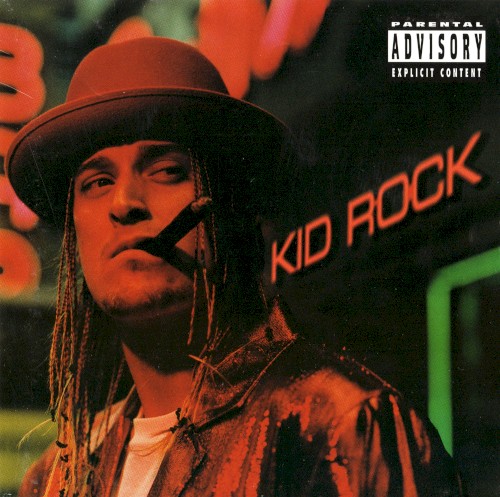
Devil Without a Cause (1998)
曲目
- 1Bawitdaba4:27
- 2Cowboy4:18
- 3Devil Without a Cause5:33
- 4I Am the Bullgod4:50
- 5Roving Gangster (Rollin’)4:24
- 6Wasting Time4:02
- 7Welcome 2 the Party (Ode 2 the Old School)5:14
- 8I Got One for Ya’3:44
- 9Somebody’s Gotta Feel This3:09
- 10Fist of Rage3:23
- 11Only God Knows Why5:28
- 12Fuck Off6:13
- 13Where U at Rock4:24
- 14Black Chick, White Guy / I Am the Bullgod (remix)12:01
14 首 · 约 71 分钟 · 依据 1998-08-18 US 发行的版本,在 MusicBrainz 看这个版本。
介绍
这个词条没有中文维基百科条目,下面是英文维基百科的原文。
Devil Without a Cause is the fourth studio album by American musician Kid Rock. Released on August 18, 1998, the album saw Kid Rock continuing to develop his sound, and marked the finalization of his stage persona as a 'redneck pimp'. Additionally, the song "Cowboy" is seen as being instrumental in the development of the fusion genre country rap.
Devil Without a Cause was a major commercial success. Spurred by the popularity of the single "Bawitdaba", the album sold over 14 million copies, and was certified diamond. The album also received critical acclaim for its genre-mixing sound.
Recording
In 1997, Jason Flom, head of Lava Records, attended one of Kid Rock's performances, and met with Kid Rock, who later gave him a demo containing the songs "Somebody's Gotta Feel This" and "I Got One for Ya", which led to Kid Rock signing with Atlantic Records. As part of his recording deal, Kid Rock received $150,000 from the label. By this time, Kid Rock had fully developed his pimp redneck stage persona and rap rock musical style and wanted to make a "redneck, shit-kicking rock 'n' roll rap" album.
The album was recorded at the White Room in Detroit and mixed at the Mix Room in Los Angeles. Kid Rock spent two months in the studio with "a hot tub, some girls and some illegal substances". In addition to the newly written songs, the band also re-recorded some of Kid Rock's older songs, including "I Am the Bullgod" from the album The Polyfuze Method, and "Black Chick, White Guy" from the album Early Mornin' Stoned Pimp.
During the recording sessions, Eminem was mixing The Slim Shady LP at the same studio, and, being friends with Kid Rock, asked him to record scratching for the song "My Fault." In return, Eminem delivered a guest rap verse on Kid's song "Fuck Off." In a 1999 interview with Spin Magazine, Eminem told the interviewer that he used cocaine for the first and last time ever while writing and recording his verse with Kid. According to Eminem, Kid was in "full party mode with tons of different drugs just laid out near the studio mixing board. There were Playboy playmates just passed out naked with coke on their nose. It was overwhelming. I never touched that shit again."
Composition
Style
The A.V. Club wrote that while Devil Without a Cause is "not nü-metal, [it] extended the lineage of rap-rock that Run-DMC and Aerosmith had first established." Nevertheless, the album has been described as a notable nu metal release, that helped "create the rap-rock/nu-metal phenomenon". AllMusic said that the album best demonstrated the "organic, integrated sound" of rap rock that differed sharply from that of rap metal, which in contrast sounded "as if the riffs were merely overdubbed over scratching and beat box beats", whereas rap rock, as Devil Without a Cause demonstrated, was defined as "rock song where the vocalist rapped instead of sang". According to Stephen Thomas Erlewine, "The key to [the album's] success is that it's never trying to be a hip-hop record. It's simply a monster rock album." Erlewine credits Kid Rock's backing band, Twisted Brown Trucker, for crafting a sound defined by "thunderous, funky noise -- and that's funky not just in the classic sense, but also in a Southern-fried, white trash sense, as he gives this as much foundation in country as he does hip-hop." Erlewine believes the album's sound owed influence to Bob Seger, Lynyrd Skynyrd and Van Halen." Erlewine also believed the album was "firmly in the tradition of classic hard rock". Billboard wrote, "it’s not a stretch to call Devil Without a Cause, Rock’s breakthrough fourth record, the Appetite for Destruction or The Chronic of rap-rock."
Music and lyrics
"Bawitdaba" has been described as having a nu metal sound. To create the chorus, Kid Rock combined the choruses of Busy Bee's "Making Cash Money", the Marcels' recording of "Blue Moon" and the Sugar Hill Gang's "Rapper's Delight" into a "neo-gregorian drone". The lyrics of the song are dedicated to "chicks with beepers" and the I.R.S., as well as "all the crackheads, the critics, the cynics / And all my heroes in the methadone clinic." In the demo recording of the song, Kid Rock shouts, "Now get in the pit and try to kill someone!" On the album version, Kid Rock changed the lyrics, replacing the word "kill" with "love". Regarding the change, Kid Rock told the Baltimore Sun that he was glad he changed the lyrics, explaining that mosh pits are about coexistence.
The country rap song "Cowboy" was newly written for the album. It is a fusion of hip hop, country music, Southern rock and heavy metal. Billboard, as well as Kid Rock himself, described the song as a cross between Run DMC and Lynyrd Skynyrd. The instrumentation includes Jew's harp, blues harmonica and a piano solo. The lyrics feature Kid Rock rapping about moving to California to become a pimp, and start an escort service "for all the right reasons", located at the top of the Four Seasons hotel, as well as getting thrown out of bars and buying a yacht.
正文摘自英文维基百科「Devil Without a Cause」,按 CC BY-SA 4.0 使用;删去了参考文献、外部链接、表格和图片;篇幅所限只节选了前面一部分,全文见原条目。
资料卡
- 作品性质
- 音乐专辑
- 表演者
- 摇滚小子
- 发行日期
- 1998 年
- 流派
- rapcore
- 语言
- 英语
- 唱片公司
- 岩浆唱片、大西洋唱片
- 制作人
- 摇滚小子
- 上一部
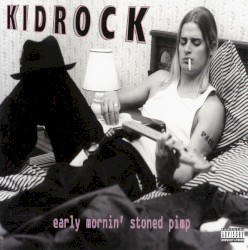
- Early Mornin' Stoned Pimp
- 下一部
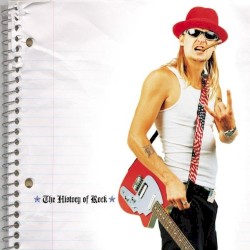
- The History of Rock
资料来自 Wikidata Q904623(CC0)。
制作名单
- 厂牌
- Atlantic(目录号 83119-2)、Lava(目录号 83119-2)、Top Dog Records(目录号 83119-2)
- 录音室
- 混音:The Mix Room(Burbank);录音:Temple Of The Dog Studios;录音:White Room Studios(Detroit);混音:Abbey Road Studios(St John's Wood)
制作
- 母带处理
- Tony Dawsey
- 工程师
- 摇滚小子、Al Sutton、John Travis
- 混音
- 摇滚小子、Al Sutton(其中 13 首)、David Bottrill(第 1 首)
- 制作人
- 摇滚小子、John Travis(其中 7 首)
- 助理混音
- Aaron Lepley(其中 13 首)
演奏与演唱
- 唱盘
- DJ Swamp(第 5 首)、摇滚小子(第 9 首)
- 键盘
- Jimmie Bones(第 9 首)
- 吉他
- Jason Krause(第 9 首)、Kenny Olson(第 9 首)
- 贝斯
- Kenny Olson(第 9 首)
- 鼓
- Chris Zuccaro(第 9 首)
- 演唱
- 摇滚小子(第 9 首)、疯狂叔叔(第 9 首)
- 演出
- 摇滚小子(第 12 首)
- 念白
- 埃米纳姆(第 12 首)
词曲与编曲
- 词曲
- 摇滚小子(其中 10 首)、疯狂叔叔(其中 10 首)、Kenny Olson(第 3、8、9、11 首)、John Travis(第 8、9、10、11 首)、Jason Krause(第 1、12 首)、Jalil Hutchins(第 3 首)、Larry Smith(第 3 首)、矮子乐(第 3 首)、Andrew Nehra(第 5 首)、Prince Markie Dee(第 5 首)、Darren Robinson(第 5 首)、Damon Wimbley(第 5 首)、林赛·白金汉(第 6 首)、Lamont Dozier(第 7 首)、Brian Holland(第 7 首)、Eddie Holland(第 7 首) 等 18 人
- 作曲
- 摇滚小子(第 2、4、13、14 首)
- 作词
- 摇滚小子(第 2、4、13、14 首)
名单来自 MusicBrainz(CC0)这一发行版本的关系数据,由志愿者录入,不一定齐全。
更多资料与乐评
在哪听
摇滚小子 的其他专辑
艺人页 ›

相似的专辑

同在 1998 年发行