乐单
曲目
- 1Upside Down4:06
- 2Tenderness3:52
- 3Friend to Friend3:20
- 4I’m Coming Out5:25
- 5Have Fun (Again)5:58
- 6My Old Piano3:55
- 7Now That You’re Gone4:00
- 8Give Up3:47
8 首 · 约 34 分钟 · 依据 1980-05-22 US 发行的版本,在 MusicBrainz 看这个版本。
介绍
这个词条没有中文维基百科条目,下面是英文维基百科的原文。
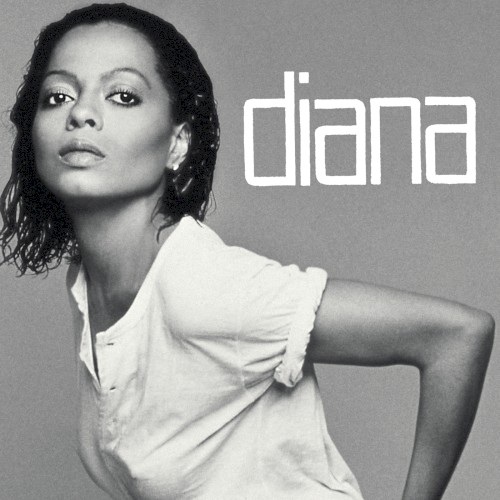
Diana (stylized on the cover as diana) is the eleventh studio album by American singer Diana Ross, released on May 22, 1980, by Motown Records. The album is the best-selling studio album of Ross's career, spawning three international hit singles, including the number-one hit "Upside Down".
In 2020, Rolling Stone named Diana the 394th greatest album of all time.
Conception
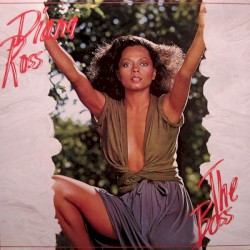
Following the US success of her 1979 album The Boss, Ross wanted a fresher, more modern sound. Having heard Nile Rodgers of Chic's work in the famous Manhattan disco club Studio 54, Ross approached him about creating a new album of material for her that stated where she felt she was in her life and career at the period.
On an episode of TV One's Unsung, Nile Rodgers said that the majority of the songs were crafted after direct conversations with Ross. She had reportedly said to Rodgers and Bernard Edwards that she wanted to turn her career “upside down” and wanted to “have fun again.” As a result, Rodgers and Edwards wrote the songs "Upside Down" and "Have Fun (Again)". After running into several drag queens in a club dressed as Ross, Rodgers wrote "I'm Coming Out". Only "My Old Piano" came from their normal songwriting processes.
Initially, Ross was not pleased with the album's results. Following a preview of the record to be released in the aftermath of the anti-disco backlash, Frankie Crocker, an influential New York City disc jockey, warned Ross that releasing the album in its original state would even lead to the end of her career. Ross remixed the entire album, assisted by Motown engineer Russ Terrana, removing extended instrumental passages and speeding up the tracks' tempos. Ross also re-recorded all her lead vocals so that they were front and center and not overshadowed by the music.
The remixing of the master tapes was performed without the knowledge or approval of Rodgers and Edwards. When they were presented with the "official" version of diana, the producers publicly objected and, at one point, even considered removing their names from the album's list of credits. Motown and Ross persisted, and the version released was Terrana's more commercial mix of the album.
Rodgers and Edwards were contracted by Motown to produce a follow-up album, but, as Ross left the label, it was never created. Rodgers and Edwards sued Motown, unsuccessfully claiming that they were owed monies for creating and recording the original version of the album. In 1989, Rodgers and Ross collaborated on Workin' Overtime (No. 3 US R&B), released upon Ross's return to Motown. Edwards produced the 1984 single, "Telephone" (No. 13 US R&B), from Ross' Swept Away album, released on the RCA label. Rodgers played guitar on the new wave song, "It's Your Move", from the same album.
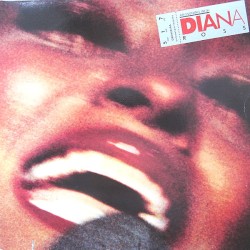
The cover art was photographed by famed photographer Francesco Scavullo. For the shoot, she borrowed jeans from supermodel Gia Carangi.
Critical reception
Robert Christgau, writing for The Village Voice, gave the album an A− rating. He remarked that "not since Lady Sings the Blues has Ms. R. been forced into such a becoming straitjacket. Her perky angularity and fit-to-burst verve could have been designed for Rodgers & Edwards's synergy – you'd swear she was as great a singer as Alfa Anderson herself. And Nile is showing off more axemanship than any rhythm guitarist in history."
In a retrospective review, Charity Stafford from AllMusic called the album "Ross' best solo record." She found that "Ross sounds more forceful than she had in years. The helium-toned style of her early hits with the Supremes is worlds away from the assertive way she rips into the funky hit "Upside Down." [...] The glossy Chic production might sound a bit dated to some ears, but it's matured much better than many similar albums of the era."
In her 2003 review of Diana's deluxe edition, Daryl Easlea from BBC Music wrote: "Diana is an artistic portrayal of complete freedom; Rodgers and Edwards' writing symbolises Ross' breaking free of the shackles of Motown on one level, but moreover, the work has a universality; celebrating gayness, blackness, equality; an album of challenging ideas, friendship and freedom."
Rolling Stone ranked the album No. 394 on its 2020 edition of the 500 Greatest Albums of All Time list.
Chart performance
Partly due to the controversy between Ross, Motown, and Nile Rodgers/Bernard Edwards, Motown released the album without a lead single. This was unheard of, especially for a label like Motown. However, by its 4th week leading into summer, the album was already nearing the top 10. "Upside Down" eventually was chosen by the label and radio programmers. "Upside Down" made a rare vaulted move in its fifth week from number 49 to number 10. By the middle of summer 1980, Ross chalked up her fifth number one single.
正文摘自英文维基百科「Diana (album)」,按 CC BY-SA 4.0 使用;删去了参考文献、外部链接、表格和图片;篇幅所限只节选了前面一部分,全文见原条目。
资料卡
- 作品性质
- 音乐专辑
- 表演者
- 戴安娜·罗斯
- 发行日期
- 1980 年 5 月 22 日
- 流派
- 节奏布鲁斯、流行音乐、灵魂乐、迪斯科
- 语言
- 英语
- 唱片公司
- 摩城唱片
- 制作人
- 奈尔·罗杰斯
资料来自 Wikidata Q1163502(CC0)。
制作名单
- 厂牌
- Motown(目录号 5155)
制作
- 制作人
- Bernard Edwards、奈尔·罗杰斯
- 重混
- Russ Terrana
演奏与演唱
- 萨克斯
- Eddie Daniels
- 贝斯
- Bernard Edwards
- 键盘
- Raymond Jones、Andy Schwartz
- 长号
- Meco
- 小号
- Bob Milliken
- 吉他
- 奈尔·罗杰斯
- 鼓
- Tony Thompson
- 指挥
- Bernard Edwards、奈尔·罗杰斯
- 演唱
- 戴安娜·罗斯(第 1 首)
词曲与编曲
- 编曲
- Bernard Edwards、奈尔·罗杰斯
- 作曲
- Bernard Edwards(第 2、3、5、6、7、8 首)、奈尔·罗杰斯(第 2、3、5、6、7、8 首)
- 词曲
- Bernard Edwards(第 1、4 首)、奈尔·罗杰斯(第 1、4 首)
- 作词
- Bernard Edwards(第 6 首)、奈尔·罗杰斯(第 6 首)
名单来自 MusicBrainz(CC0)这一发行版本的关系数据,由志愿者录入,不一定齐全。
更多资料与乐评
在哪听
戴安娜·罗斯 的其他专辑
艺人页 ›
相似的专辑

同在 1980 年发行