乐单
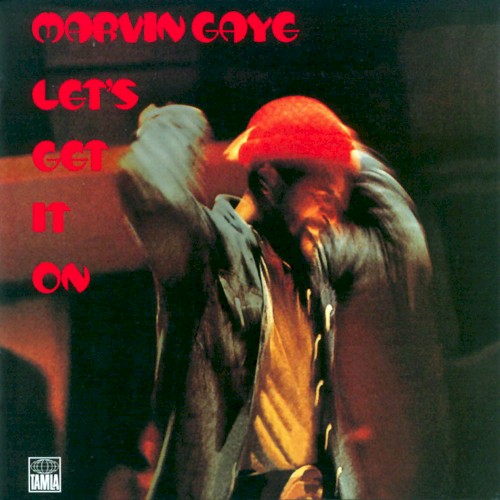
Let's Get It On (1973)
滚石 500(2020) #422滚石 500(2003) #1651001 张专辑
- 艺人
- 马文·盖伊
- 发行
- 1973-08-28
- 类型
- 专辑
- 唱片公司
- 摩城唱片
- 版本
- MusicBrainz 上有 23 个发行版本
曲目
- 1Let’s Get It On4:51
- 2Please Stay (Once You Go Away)3:28
- 3If I Should Die Tonight4:01
- 4Keep Gettin’ It On3:13
- 5Come Get to This2:41
- 6Distant Lover4:17
- 7You Sure Love to Ball4:46
- 8Just to Keep You Satisfied4:27
8 首 · 约 32 分钟 · 依据 1973-08-28 US 发行的版本,在 MusicBrainz 看这个版本。
介绍
这个词条没有中文维基百科条目,下面是英文维基百科的原文。
Let's Get It On is the twelfth studio album by the American soul singer and songwriter Marvin Gaye. It was released on August 28, 1973, by the Motown subsidiary label Tamla Records on LP.
Recording sessions for the album took place during June 1970 to July 1973 at Hitsville U.S.A. and Golden World Studio in Detroit, and at Hitsville West in Los Angeles. Serving as Gaye's first venture into the funk genre, Let's Get It On also incorporates smooth soul and doo-wop styles alongside sexually suggestive lyrics, leading to one writer's description of it as "one of the most sexually charged albums ever recorded". Gaye infused ideas of spiritual healing in songs about sex and romance, in part as a way of coping with childhood abuses from his father Marvin Gay Sr., which had stunted his sexuality.
Following the breakthrough success of his socially conscious album What's Going On (1971), Let's Get It On helped establish Gaye as a sex icon and broadened his mainstream appeal. It produced three singles—the title track, "Come Get to This", and "You Sure Love to Ball"—that achieved Billboard chart success. Let's Get It On became the most commercially successful album of Gaye's career at Motown, resulting in more creative control being given to him by the label. Its erotic balladry, multi-tracking of Gaye's vocals, and seductive funk sound also influenced later R&B recording artists and producers, with the title track specifically helping pioneer the slow jam and quiet storm formats.
In retrospect, Let's Get It On has been regarded by writers and music critics as a landmark recording in soul. It increased the popularity of funk during the 1970s, while Gaye's smooth-soul sound marked a change from his record label's previous success with the "Motown Sound" formula. Among the most acclaimed LPs in history, it frequently appears on professional rankings of the greatest albums and has been inducted into the Grammy Hall of Fame as a historically important recording. In 2001, it was reissued by Motown as a two-CD deluxe edition release. In 2023, the album was reissued with added material for its 50th anniversary.
Background
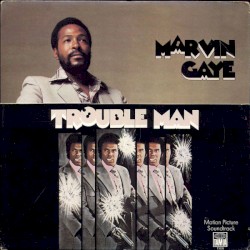
In the spring of 1972, Marvin Gaye was suffering from writer's block. Following the release of his most commercially successful album up to that point, What's Going On (1971), and the soundtrack album to the blaxploitation film Trouble Man (1972), Gaye had struggled to come up with new material after Motown Records had renegotiated a new contract with him. The contract provided him with more creative control over his recordings. The deal was worth $1 million, making him the highest-earning soul artist, as well as the highest-earning black artist, at the time. He was also struggling with deciding whether or not to relocate to Los Angeles, following Motown-CEO Berry Gordy's move of the record label and replacement of the Detroit-based Hitsville U.S.A. (Motown Studio A) recording studio with the Hitsville West studio in Los Angeles. Amid relocation and his lack of material, Gaye was struggling with his conscience, as well as dealing with expectations from his wife, Gordy's sister Anna. Gaye's separation from Gordy pressured him emotionally. During this time, he had also been attempting to cope with past issues that had stemmed from his childhood.
During his childhood, Gaye had been physically abused by his preacher father Marvin Gay Sr., who disciplined his son under extremely moralistic and fundamentalist Christian teachings. As a result, the meaning and practice of sex had later become a disturbing question for Gaye. As an adult, he suffered from impotence and became plagued by sadomasochistic fantasies, which haunted him in his dreams and provoked intense feelings of guilt. Gaye learned to cope with his personal issues with a newly found spirituality. He began incorporating his new outlook into his music, as initially expressed through the socially conscious album What's Going On, along with promotional photos of him wearing a kufi in honor of African traditional religions and his faith.
By winning over record executives with the success of What's Going On, Gaye attained more creative control, which he would use, following his brief separation from wife Anna Gordy, to record an album that was meant to explore themes beyond sex. As with What's Going On, Gaye wanted to have a deeper meaning than the general theme that was used to portray it; in the case of the former album, politics, and with its follow-up effort, love and romance, which would be used by Gaye as a metaphor for God's love. In his book Divided Soul: The Life of Marvin Gaye, Gaye biographer David Ritz wrote of the singer's inspiration behind Let's Get It On:
正文摘自英文维基百科「Let's Get It On」,按 CC BY-SA 4.0 使用;删去了参考文献、外部链接、表格和图片;篇幅所限只节选了前面一部分,全文见原条目。
资料卡
- 作品性质
- 音乐专辑
- 表演者
- 马文·盖伊
- 发行日期
- 1973 年 8 月 28 日
- 流派
- 宁静的风暴、灵魂乐、放克、节奏布鲁斯
- 语言
- 英语
- 唱片公司
- 摩城唱片
- 获奖
- 格莱美名人堂(2003)
资料来自 Wikidata Q1094376(CC0)。
制作名单
- 厂牌
- Tamla(目录号 T 329V1)、Tamla(目录号 T329V1)
- 录音室
- 录音:Motown Studios - Hitsville West(West Hollywood);录音:Hitsville(Detroit);录音:Golden World(Detroit)
制作
- 混音
- Cal Harris
- 制作人
- 马文·盖伊、Ed Townsend(第 1、2、3、4 首)
- 工程师
- William McMeekin(第 1、2、3、4 首)、Art Stewart(第 1、2、3、4 首)、Cal Harris(第 5、6、7、8 首)、Steve Smith(第 5、6、8 首)、Lawrence Miles(第 6、7、8 首)
演奏与演唱
- 指挥
- René Hall(第 1、2、3、4 首)
- 邦戈鼓
- Eddie “Bongo” Brown(第 1、2、3、4 首)、Bobbye Hall(第 1、2、3、4 首)
- 康加鼓
- Eddie “Bongo” Brown(第 1、2、3、4 首)、Bobbye Hall(第 1、2、3、4 首)
- 贝斯
- Wilton Felder(第 1、2、3、4 首)
- 颤音琴
- Victor Feldman(第 1、2、3、4 首)、Emil Richards(第 1、2、3、4 首)
- 钢琴
- 马文·盖伊(第 1、2、3、4 首)、Marvin Jenkins(第 1、2、3、4 首)、乔·桑普尔(第 1、2、3、4 首)
- 鼓
- Paul Humphrey(第 1、2、3、4 首)
- 萨克斯
- Plas Johnson(第 1、2、3、4 首)、Ernie Watts(第 1、2、3、4 首)
- 吉他类
- Donald Peake(第 1、2、3、4 首)、Louie Shelton(第 1、2、3、4 首)、David T. Walker(第 1、2、3、4 首)、Melvin “Wah Wah” Watson(第 1、2、3、4 首)
- 打击乐
- Emil Richards(第 1、2、3、4 首)
- 演唱
- 马文·盖伊(第 2、5、8 首)
- 主唱
- 马文·盖伊(第 1、5 首)
- 和声
- 马文·盖伊(第 1 首)、The Originals(第 8 首)
- 吉他
- Eddie Willis(第 5 首)
词曲与编曲
- 作曲
- 马文·盖伊(第 2、3、4、5、6、7 首)、Ed Townsend(第 2、3、4 首)、Gwen Fuqua(第 6 首)
- 词曲
- 马文·盖伊(第 1、8 首)、Ed Townsend(第 1 首)、Anna Gordy Gaye(第 8 首)、Elgie Stover(第 8 首)
- 作词
- 马文·盖伊(第 5、7 首)、Sandra Greene(第 6 首)
名单来自 MusicBrainz(CC0)这一发行版本的关系数据,由志愿者录入,不一定齐全。
更多资料与乐评
在哪听
马文·盖伊 的其他专辑
艺人页 ›
相似的专辑
同在 1973 年发行