乐单
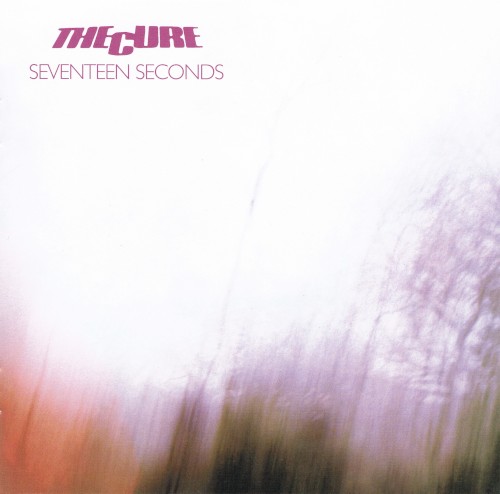
Seventeen Seconds (1980)
- 艺人
- 治疗乐队
- 发行
- 1980-04-22
- 类型
- 专辑
- 唱片公司
- Fiction唱片
- 制作人
- Mike Hedges、罗伯特·史密斯
- 版本
- MusicBrainz 上有 29 个发行版本
曲目
- A1A Reflection2:09
- A2Play for Today3:41
- A3Secrets3:20
- A4In Your House4:08
- A5Three2:34
- B1The Final Sound0:52
- B2A Forest5:55
- B3M3:03
- B4At Night5:54
- B5Seventeen Seconds3:59
10 首 · 约 36 分钟 · 依据 1980-04-22 GB 发行的版本,在 MusicBrainz 看这个版本。
介绍
《Seventeen Seconds》是治疗乐队的第二章录音室专辑,由Fiction Records于1980年4月18日发行,同时也是乐队主唱罗伯特·史密斯与迈克·赫奇斯的首次合作。在原贝斯手迈克尔·邓普西离开后,西蒙·加洛浦和键盘手马修·哈特利成为了乐队的正式成员。专辑中的单曲《A Forest》使乐队首次进入英国单曲排行榜前40名。
制作历程
1979年,当乐队的英国巡演结束时,罗伯特·史密斯与贝斯手迈克尔·邓普西的交流已经越来越少。乐队在几场音乐会上演奏了《Play for Today》和《M》的早期版本,但二人在乐队的音乐发展方向上产生了分歧。史密斯称:“我给迈克尔播放了下一张专辑的样本唱片,但他并不喜欢,我认为这是我们决裂的最后一根稻草。他希望我们成为第二个XTC乐队,而我更想要成为第二个苏西与女妖。所以他离开了乐队。”
与苏西与女妖一起弹了两个月的吉他的经历,为史密斯开辟了另一个视野。“它让我思考我们正在做的事情之外的东西。我想组建一个像Steven Severin和Budgie那样,只用贝斯和鼓点演奏,并且有着Siouxsie Sioux般哀嚎的乐队”。 在专辑创作期间,史密斯经常听的唱片有尼克·德雷克的《Five Leaves Left》,吉米·亨德里克斯的《怀特岛郡》,范·莫里森的《Astral Weeks》和大卫·鲍伊的《Low》。
专辑的大部分词曲是由史密斯在他父母家用带有内置录音机的哈蒙德风琴创作的。在专辑制作过程中,the Magazine Spies乐队的贝斯手Simon Gallup和键盘手Matthieu Hartley加入了治疗乐队。
由于预算仅在2000至3000英镑之间,该专辑在七天内即录制并混音完成,乐队成员每天不得不工作16至17小时。史密斯称,因为录制过程中磁带耗尽,专辑中原计划时长更长的曲目《The Final Sound》被缩短至53秒。
正文摘自中文维基百科「Seventeen Seconds」,按 CC BY-SA 4.0 使用;已转为简体,删去了参考文献、外部链接、表格和图片。
英文维基百科上的更多内容(英文原文,约 3,356 字符)
Seventeen Seconds is the second studio album by the English rock band the Cure, released on 18 April 1980 by Fiction Records. The album marked the first time frontman Robert Smith co-produced with Mike Hedges. After the departure of original bassist Michael Dempsey, Simon Gallup became an official member along with keyboardist Matthieu Hartley. The single "A Forest" was the band's first entry in the top 40 of the UK Singles Chart.
History
At the end of the Cure's 1979 UK tour supporting Siouxsie and the Banshees, Robert Smith spoke less and less with bassist Michael Dempsey. Early versions of "Play for Today" and "M" had been performed at a few concerts, but Dempsey did not like the new musical direction that Smith wanted to take. Smith commented: "I think the final straw came when I played Michael the demos for the next album and he hated them. He wanted us to be XTC part 2 and – if anything – I wanted us to be the Banshees part 2. So he left". Smith would go on to say that "Seventeen Seconds was the most personal record that we’ve ever done, strangely enough".
Playing guitar with the Banshees for two months and learning their songs opened up another horizon to Smith. "It allowed me to think beyond what we were doing. I wanted to have a band that does what Steven Severin and Budgie do, where they just get a bassline and the drum part and Siouxsie wails". Smith was also particularly influenced by Nick Drake, Pink Floyd, and Captain Beefheart at the time. The records to which Smith was frequently listening during the composition of the album were Five Leaves Left by Nick Drake, Isle of Wight by Jimi Hendrix, Astral Weeks by Van Morrison and Low by David Bowie.
Smith wrote the lyrics and music for most of the record at his parents' home, on a Hammond organ with a built-in tape recorder. Interviewed in 2004, producer Mike Hedges did not recall any demo tracks, with the band generally playing the track in the studio before laying down a backing track to which overdubs were added.
Two members of the Magazine Spies, bass guitarist Simon Gallup and keyboardist Matthieu Hartley, were added to the band's lineup. Gallup replaced Dempsey, which relieved Smith as he felt Dempsey's basslines were too ornate. Hartley's synth work added a new dimension to the band's newly ethereal sound, although he would later clash with Smith over complexity; Hartley enjoyed complex chords but Smith wanted single notes.
Money was short, so the album was recorded and mixed in seven days between 13 and 20 January on a budget of between £2,000 and £3,000, which resulted in the band working 16 or 17 hours a day. Smith stated that as a result, the track "The Final Sound", which was planned to be much longer, was cut down to 53 seconds because the tape ran out while recording and the band could not record it again. The album, mostly a collection of downbeat tracks, features ambient echoing vocals with the sonic direction driven by its drum sound.
Musical style
Retrospectively, Seventeen Seconds has been considered an early example of gothic rock. Its "gloomscapes" are considered to be "a sonic touchstone" for the forthcoming movement. The track "The Final Sound" is "so positively gothic you could almost be fooled into believing that it was lifted from the soundtrack of some Hammer horror gorefest". The album has also been described as new wave and dark wave.
这部分摘自英文维基百科「Seventeen Seconds」,按 CC BY-SA 4.0 使用;删去了参考文献、外部链接、表格和图片;篇幅所限只节选了前面一部分,全文见原条目。
资料卡
- 作品性质
- 音乐专辑
- 表演者
- 治疗乐队
- 发行日期
- 1980 年 4 月 22 日
- 录音地点
- 摩根录音室
- 流派
- 哥德摇滚
- 语言
- 英语
- 唱片公司
- Fiction唱片
- 制作人
- Mike Hedges、罗伯特·史密斯
- 封面设计
- Bill Smith、罗伯特·史密斯、洛·托赫斯特、赛门·加勒普、马泰厄·赫特利
资料来自 Wikidata Q853423(CC0)。
制作名单
- 厂牌
- Fiction(目录号 FIX 004)
制作
- 制作人
- Mike Hedges、Robert Smith
演奏与演唱
- 电贝斯
- Simon Gallup
- 键盘
- Matthieu Hartley
- 电吉他
- Robert Smith
- 鼓
- 洛·托赫斯特
- 主唱
- Robert Smith
词曲与编曲
- 作曲
- Simon Gallup、Matthieu Hartley、Robert Smith、洛·托赫斯特
- 作词
- Robert Smith(其中 8 首)
名单来自 MusicBrainz(CC0)这一发行版本的关系数据,由志愿者录入,不一定齐全。
更多资料与乐评
在哪听
治疗乐队 的其他专辑
艺人页 ›
相似的专辑
同在 1980 年发行