 乐单

照片:Arek Olek from Kraków, Poland,CC BY 2.0,Wikimedia Commons
轨道乐队
- 成立 / 解散
- 1989 –
- 国家/地区
- 英国
- 外文名
- Orbital
- 流派
- 铁克诺音乐、电子
介绍
这个词条没有中文维基百科条目,下面是英文维基百科的原文。
Orbital are an English electronic music duo from Dunton Green, Kent, England, consisting of brothers Phil and Paul Hartnoll. The band's name is taken from Greater London's orbital motorway, the M25, which was central to the early rave scene during the early days of acid house. Additionally, the cover art on three of their albums showcase stylised atomic orbitals. Orbital have been critically and commercially successful, known particularly for their live improvisation during shows.
Career
Early years and influences
The Hartnolls' formative influences included Kraftwerk, OMD, Depeche Mode, Steel Pulse, Cabaret Voltaire, Kate Bush and the Beat. Paul described the early incarnation of Orbital as a "low-cost bedroom New Order/Severed Heads". The pair also drew inspiration from classic rock bands like Deep Purple, Led Zeppelin and Genesis, as well as the catalogues of Tamla Motown, ZTT and Trojan Records.
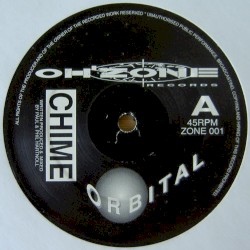
In 1989, Orbital recorded "Chime" on their father's 4-track tape deck, which they released on DJ Jazzy M's Oh Zone Records in December 1989, and re-released on FFRR Records three years later. The track became a rave anthem, reaching number 17 in the UK charts and earning them an appearance on Top of the Pops, during which they wore anti-Poll Tax T-shirts. According to Paul Hartnoll, the track was recorded "under the stairs" of their parents' house in "a knocked-through stair cupboard that my dad set up as a home office". The track received its first live airing at a club night hosted by the promoter Que Pasa (Mark, Andrew and Nick Maddox) in a local Sevenoaks venue called the Grasshopper on Boxing Day. Next was a gig at the Town and Country 2 in Islington, performing for the first time under the name Orbital. Several singles and EPs followed, and their first self-titled album, a collection of tracks recorded at various times, was released in late 1991.
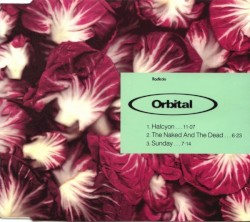
In late 1992, the Radiccio EP barely reached the UK top 40, although it included one of their most popular songs, "Halcyon". The track featured a sample of Kirsty Hawkshaw from "It's a Fine Day" (a chart hit for Opus III earlier that year). The B-side "The Naked and the Dead" was similarly based on a line from Scott Walker's rendition of Jacques Brel's song "Next". "Halcyon" was dedicated to the Hartnolls' mother, who was addicted to the tranquiliser Halcion (Triazolam) for many years.
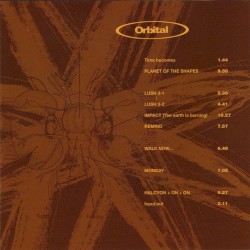
The duo's popularity grew rapidly with the release of their second self-titled album, in 1993. The album included complex arrangements and textures, opening with the two-minute track "Time Becomes". The track consisted of two slightly delayed, looped samples of a line from the Star Trek: The Next Generation episode "Time Squared" spoken by actor Michael Dorn as the character Lieutenant Worf: "... where time becomes a loop" being played simultaneously through the left and right channels, respectively (until one cycle of phase difference has happened). The same sample was used at the beginning of "the Moebius", the opening track on the previous album. This audio pun was intended to make listeners believe that they had bought a mis-pressed album (Orbital 1 packaged as Orbital 2). The album reached No. 28 on the UK albums chart, staying in the chart for 15 weeks. "Halcyon" was remixed for the album, as "Halcyon + On + On". Versions of this song played live by the band have incorporated diverse samples, including "You Give Love a Bad Name" by the band Bon Jovi, "Heaven Is a Place on Earth" by Belinda Carlisle, and in 2004 "I Believe in a Thing Called Love" by the band The Darkness.
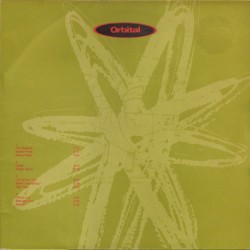
The first two albums are commonly known as "The Green Album" and "The Brown Album", after the colours of their covers (although the first album's cover is yellow, one of the first printings had a misprint causing the cover to be yellow-green).
1994 breakthrough
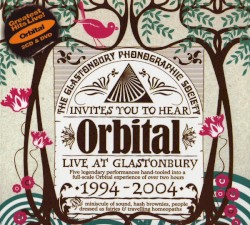
Orbital won an NME award for Vibes Best Dance Act early in 1994, but it was their headline appearance at the Glastonbury Festival on 25 June 1994 that brought them most attention. Q magazine classed it as one of the top 50 gigs of all time, and in 2002 included Orbital in their list of "50 Bands to See Before You Die".
Crucially, the expanded TV coverage of the 1994 Glastonbury Festival by Channel 4 meant that Orbital's set reached a huge audience, in what is regarded as a pivotal moment. Speaking to The Guardian in 2013 about the gig, Paul Hartnoll commented: "I didn't know how much of an impact it would have. Being young myself, I just thought, 'It's about time – of course we should have acid house at Glastonbury'. It used to annoy me. I just used to think it should be happening."
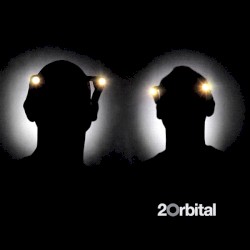
Orbital gave an improvisational element to live electronic music as the brothers mixed and sequenced their tracks on the fly, wearing their trademark head-mounted torches behind banks of equipment. Orbital were one of the few electronic acts invited to play at Woodstock '94.
正文摘自英文维基百科「Orbital (band)」,按 CC BY-SA 4.0 使用;删去了参考文献、外部链接、表格和图片;篇幅所限只节选了前面一部分,全文见原条目。
资料卡
- 成立
- 1989 年
- 成立于
- 塞文奥克斯
- 来自
- 英国
- 活跃起始
- 1989 年
- 流派
- 铁克诺音乐、电子
- 唱片公司
- FFRR
- 官方网站
- orbitalofficial.com
资料来自 Wikidata Q515942(CC0)。
榜单和奖项里的专辑(2)
曲库里的其他专辑(12)
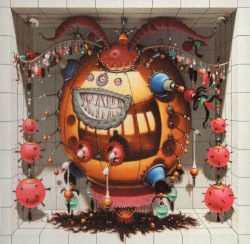
完整作品表见 MusicBrainz。
EP、单曲和其他(4)
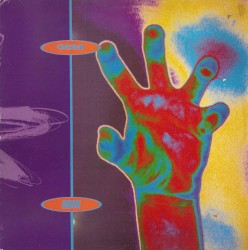
风格、年代相近的艺人
- 超凡乐团英国 · 1990– · 另类摇滚、铁克诺音乐
- 宠物店男孩英国 · 1981– · 合成器流行乐、新浪潮
- 席尔英国 · 1963– · 流行音乐、节奏布鲁斯
- 奇异双胞胎乐团英国 · 1971– · 电子音乐、铁克诺音乐
- Portishead英国 · 1991– · Trip hop、实验摇滚
- 强烈冲击英国 · 1988– · Trip hop、电子
- 化学兄弟英国 · 1989– · 摇滚乐、流行摇滚
- 诡计英国 · 1968– · Trip hop、电子音乐
- 地下世界乐队英国 · 1987– · 合成器流行乐、铁克诺音乐
- Boards of Canada英国 · 1986– · 电子、智能舞曲
- The KLF英国 · 1987–1992 · 铁克诺音乐、浩室音乐
- 地下室混音小子英国 · 1994– · 电子