乐单
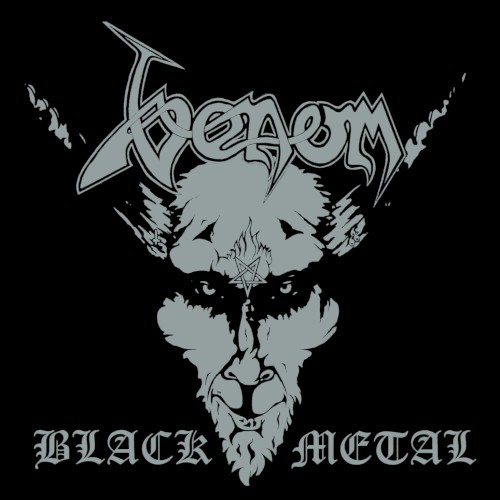
曲目
- A1Black Metal3:45
- A2To Hell and Back3:04
- A3Buried Alive4:13
- A4Raise the Dead2:53
- A5Teacher's Pet4:45
- B1Leave Me in Hell3:36
- B2Sacrifice4:30
- B3Heaven's on Fire3:42
- B4Countess Bathory3:48
- B5Don't Burn the Witch3:18
- B6At War With Satan (Introduction)2:22
11 首 · 约 40 分钟 · 依据 1982 GB 发行的版本,在 MusicBrainz 看这个版本。
介绍
这个词条没有中文维基百科条目,下面是英文维基百科的原文。
Black Metal is the second studio album by English heavy metal band Venom, released on 1 November 1982 through Neat Records. Released during the new wave of British heavy metal, the album is considered to be a major influence on the speed metal, thrash metal, death metal and black metal scenes that emerged in the 1980s and early 1990s.
The album lent its name to the black metal subgenre, but its music was an early form of extreme metal which still had roots in traditional heavy metal. AllMusic described it as "sowing the seeds of much that would be referred to as extreme metal", and Moynihan & Søderlind in their book Lords of Chaos affirmed that the album "carved in stone some of [black metal's] essential features". Nevertheless, its lyrics and imagery were a major influence on the early Norwegian black metal scene.
Background and recording
After the release and general positive reception to the band's debut album, Venom performed a series of successful shows in Europe and the United States, building a fan base. After a year of touring, they returned to the studio to record a follow-up effort. The band credits an improved sense of its own identity and vocalist and bassist Conrad "Cronos" Lant's increased experience as a studio engineer for the new album's heavier, more distinctive sound.
As with most of Venom's early material, much of the writing was left to Lant and Dunn. Two of the songs on the album, "Buried Alive" and "Raise the Dead", were written in the late 1970s and were originally intended to be on the band's debut album; however, the band felt that they were unable to do the songs justice at the time of those demo recordings. Early versions of these songs can be heard on the band's 1979 Church Hall rehearsals recording, with original vocalist Clive Archer. "Buried Alive" was originally less than a minute long, and the remainder of what would be the rest of the song was used as the first half of "Raise the Dead" but with different lyrics. The band decided to rework these two songs with the final recording having "Buried Alive" extended and the ending transitioning into "Raise the Dead". With Lant's experience in the studio he took a very hands on approach with recording "Buried Alive". For the intro of song, the band was looking to mimic the sound of earth being shovelled onto a coffin during a burial service while a priest delivers a prayer, but they failed to capture the sound they were looking for by cutting cabbages. So they decided to bring in a cardboard box and mud, then put microphones in the box and used spades to shovel the mud into the box onto the microphones.
The title track, an ode to the extreme metal genre, opens with the sounds of a chainsaw which the band created by clamping down some large steel plates and then brought in a real chainsaw into the studio which they used on the steel plates to create the sawing sound effect. In the process, Lant stated that all of the saw's teeth broke in trying to achieve this effect. Another song on the album, "Countess Bathory", was written when "Abaddon" was late for a session, so Dunn began jamming some new riffs while Lant would work the lyrics out. The band's roadie came in the room and began drumming for them, and soon after "Abaddon" would come in and tried to make up a new drum pattern, but Lant and Dunn felt the roadie's drum pattern worked best. Lant also explained the origin of the song's opening riff, saying that it was inspired by the opening theme song of the children's show The Magic Roundabout. The opening riff would then purportedly go on to influence the main riff of Nirvana's "Smells Like Teen Spirit".
The final track on the album is a preview of the title track for what was to be the band's third album, At War with Satan. A concept album that Lant started working on originally when he was still in school that tells the story of the battle between Heaven and Hell and with the latter coming out on top. Lant thought it would be interesting to put a teaser at the end of the record as a warning to fans of what was to come. The album was recorded in just 7 days, with Lant working long hours recording alongside the studio engineer and then mixing the tracks on his own.
正文摘自英文维基百科「Black Metal (Venom album)」,按 CC BY-SA 4.0 使用;删去了参考文献、外部链接、表格和图片;篇幅所限只节选了前面一部分,全文见原条目。
资料卡
- 作品性质
- 音乐专辑
- 表演者
- 毒液
- 发行日期
- 1982 年 11 月 1 日
- 时长
- 39 分 51 秒
- 流派
- 敲击金属
- 语言
- 英语
- 唱片公司
- 俐落唱片
资料来自 Wikidata Q804229(CC0)。
制作名单
- 厂牌
- Neat Records(目录号 NEAT 1005)
制作
- 制作人
- Keith Nichol、毒液
词曲与编曲
- 词曲
- Anthony Bray(其中 9 首)、Jeffrey Dunn(其中 9 首)、Conrad Lant(其中 9 首)、Abaddon(第 B1 首)、Cronos(第 B1 首)、Mantas(第 B1 首)
- 作曲
- Anthony Bray(第 B4 首)、Jeffrey Dunn(第 B4 首)、Conrad Lant(第 B4 首)
- 作词
- Anthony Bray(第 B4 首)、Jeffrey Dunn(第 B4 首)、Conrad Lant(第 B4 首)
名单来自 MusicBrainz(CC0)这一发行版本的关系数据,由志愿者录入,不一定齐全。
更多资料与乐评
在哪听
毒液 的其他专辑
艺人页 ›

相似的专辑

同在 1982 年发行