 乐单
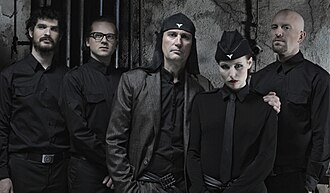
照片:Gruppe LAIBACH,CC BY-SA 3.0,Wikimedia Commons
莱巴赫
- 成立 / 解散
- 1980 –
- 国家/地区
- 斯洛文尼亚
- 外文名
- Laibach
- 流派
- 流行音乐、铁克诺音乐、EBM音乐、工业噪音音乐、后朋克
- 成员
- Milan Fras、Eva Breznikar、Mina Špiler、Ivan Novak、Luka Jamnik、Janez Gabrič
介绍
这个词条没有中文维基百科条目,下面是英文维基百科的原文。
Laibach (German pronunciation: [ˈlaɪbax] ) is a Slovenian avant-garde music group associated with the industrial, martial, and neoclassical genres. Formed in 1980 in the mining town of Trbovlje, Slovenia (at the time the SR Slovenia within Yugoslavia), Laibach represents the musical wing of the Neue Slowenische Kunst (NSK) artist collective, a group which Laibach co-founded in 1984.
From the early days, the band was subject to controversies and bans due to their use of iconography with parodies and pastiches of elements from totalitarianism, nationalism and militarism, a concept they have preserved throughout their career. Censored in Yugoslavia, receiving a dissident status and a cult following in their home country, the band embarked on international tours and gradually acquired international fame, which led to wider acceptance by Yugoslav public and to attention of the country's mainstream media. After Slovenia became independent in 1991, Laibach's status in the country has turned from rejection by a part of the public to promotion into a national cultural icon.
Early Laibach albums were industrial-oriented, marked by heavy rhythms and roaring vocals. Later in the mid-1980s, their sound became more richly layered, featuring samples from pop and classical music. The band's lyrics, variously written in Slovene, German and English, are usually delivered by the deep bass vocals of lead vocalist Milan Fras. Initially the lyrics handled war and military themes; later, the focus turned to any highly charged political issue of the moment, sending intentionally ambiguous messages. They recorded a number of cover versions of popular songs, often turning light melodies into sinister-sounding gothic tunes.
The band has seen numerous line-up changes, with Milan Fras (lead vocals), Dejan Knez (bass guitar, keyboards, drums), Ervin Markošek (drums, keyboards, electronics) and Ivan "Jani" Novak (stage effects) forming the best-known line-up. They have worked with a number of collaborators and guest musicians. During their career, Laibach have also recorded film and theatre music and produced works of visual arts, while the band members have embarked on a number of side projects.
History
The beginnings: Laibach with Tomaž Hostnik (1980–1982)
Laibach evolved from the band Salto Mortale, formed by Dejan Knez in 1978 in the mining industry town of Trbovlje. Laibach was officially formed on 1 June 1980. The members chose 1 June as the official date of the band's formation as it was Trbovlje's official holiday, marking the 1924 violent clashes between Trbovlje workers and the Organization of Yugoslav Nationalists. The name Laibach, adopted after a suggestion from Knez's father, well-known painter Janez Knez, is the Austrian German name of the Slovenian capital Ljubljana, a name used during the period when Slovenia was a part of the Austrian Empire, as well as during the World War II occupation of Yugoslavia. Initially, the members of the band did not reveal their names, but during its initial phases, the band consisted of Dejan Knez (bass guitar, keyboards, drums, megaphone), Tomaž Hostnik (vocals), Ivan "Jani" Novak (stage effects, credited as "engineer of the human soul"), Andrej Lupinc (bass guitar), Srećko Bajda (synthesizer), Marko Košnik (synthesizer) and Marjan Benčina (synthesizer). In later interviews, the members stated that the band formation was sparked off by the suicide of Joy Division vocalist Ian Curtis, the death of Yugoslav president Josip Broz Tito and the beginning of the dissolution of Yugoslavia.
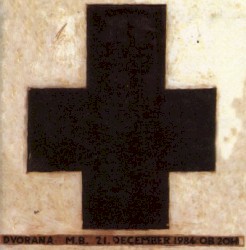
Since its formation, Laibach had been preparing a multimedia project Rdeči revirji (Red District), a piece intended to challenge and provoke the political authorities in Trbovlje. The project was scheduled to be presented in the Workers' Hall in Trbovlje. However, the group's use of Kazimir Malevich's black crosses on their posters was determined by the authorities to be "improper and irresponsible", leading to considerable negative reaction in the media and the cancellation of the performance of Red District.
正文摘自英文维基百科「Laibach」,按 CC BY-SA 4.0 使用;删去了参考文献、外部链接、表格和图片;篇幅所限只节选了前面一部分,全文见原条目。
资料卡
- 成立
- 1980 年 6 月 1 日
- 成立于
- 特尔博夫列市镇
- 来自
- 斯洛文尼亚
- 活跃起始
- 1980 年
- 流派
- 流行音乐、铁克诺音乐、EBM音乐、工业噪音音乐、后朋克、前卫音乐、实验音乐、暗潮音乐
- 唱片公司
- Staalplaat、静音唱片
- 成员
- Milan Fras、Eva Breznikar、Mina Špiler、Ivan Novak、Luka Jamnik、Janez Gabrič
- 获奖
- Viktor、medal of merit(2024)
- 官方网站
- laibach.org
资料来自 Wikidata Q325359(CC0)。
榜单和奖项里的专辑(1)
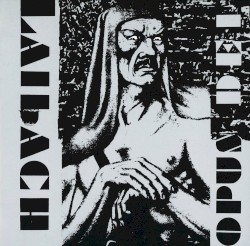
曲库里的其他专辑(18)
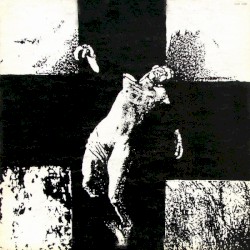
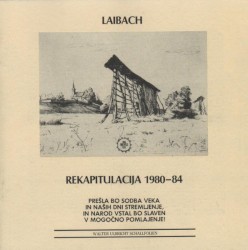
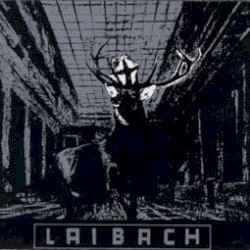
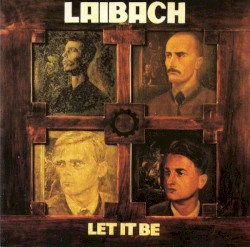
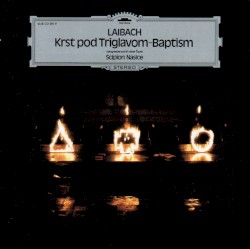
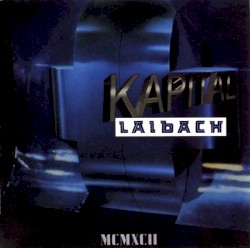
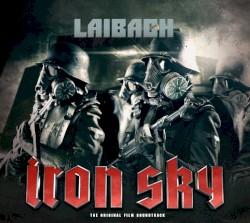
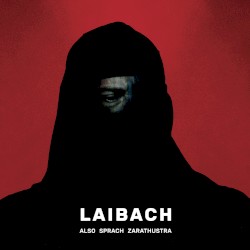
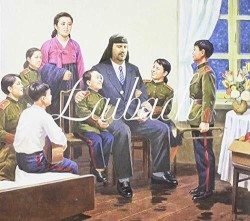
完整作品表见 MusicBrainz。
EP、单曲和其他(2)
风格、年代相近的艺人
- 比约克冰岛 · 1965– · 摇滚乐、另类摇滚
- 骗徒乐团美国 · 2000– · 后朋克、实验摇滚
- 赶时髦英国 · 1980– · 合成器流行乐、电子
- 莫比美国 · 1965– · 铁克诺音乐、慢速电子
- 奇异双胞胎乐团英国 · 1971– · 电子音乐、铁克诺音乐
- 新秩序英国 · 1980– · 后朋克、另类舞曲
- 人类联盟合唱团英国 · 1977– · 合成器流行乐、后朋克
- Boards of Canada英国 · 1986– · 电子、智能舞曲
- Slint美国 · 1986– · 后摇滚、后朋克
- 火花乐队美国 · 1971– · 电子流行、新浪潮
- 威廉·欧比特英国 · 1956–2026 · 电子音乐、铁克诺音乐
- 屁眼冲浪者美国 · 1981– · 另类摇滚、实验音乐