乐单
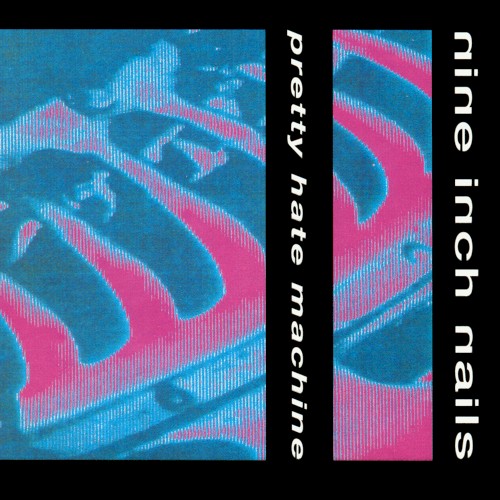
Pretty Hate Machine (1989)
- 艺人
- 九吋钉乐团
- 发行
- 1989-10-20
- 类型
- 专辑
- 唱片公司
- TVT唱片
- 制作人
- 特伦特·雷泽诺、弗拉德 (制片人)、Adrian Sherwood
- 版本
- MusicBrainz 上有 31 个发行版本
曲目
- 1Head Like a Hole4:59
- 2Terrible Lie4:39
- 3Down in It3:46
- 4Sanctified5:48
- 5Something I Can Never Have5:55
- 6Kinda I Want To4:33
- 7Sin4:06
- 8That’s What I Get4:30
- 9The Only Time4:47
- 10Ringfinger5:41
10 首 · 约 49 分钟 · 依据 1989-10-20 US 发行的版本,在 MusicBrainz 看这个版本。
介绍
这个词条没有中文维基百科条目,下面是英文维基百科的原文。
Pretty Hate Machine is the debut studio album by the American industrial rock band Nine Inch Nails, released by TVT Records on October 20, 1989. Since 2011, the album has been released by the Bicycle Music Company. Frontman Trent Reznor sang and played most of the instruments, also producing the album alongside Keith LeBlanc, John Fryer and Flood, with a few other contributors.
The album features a heavily synthesizer-driven electronic sound blended with industrial and rock elements. Much like the band's later work, the album's lyrics contain themes of angst, betrayal, and lovesickness. The record was promoted with the singles "Down in It", "Head Like a Hole", and "Sin", as well as the accompanying tour. A remastered edition was released in 2010.
Although the record was successful, reaching No. 75 in the US and receiving highly favorable reviews from critics, Reznor feuded with TVT over promotion of the album and eventually signed with Interscope Records. Pretty Hate Machine was later certified triple-platinum by RIAA, becoming one of the first independently released albums to do so, and was included on several lists of the best releases of the 1980s. In 2020, Rolling Stone ranked Pretty Hate Machine at number 453 on its "500 Greatest Albums of All Time" list.
Background
While working nights as a handyman and engineer at the Right Track Studio in Cleveland, Ohio, Reznor used studio "down-time" to record and develop his own music. Playing most of the keyboards, drum machines, guitars, and samplers himself, he recorded a demo. The sequencing was done on a Macintosh Plus. Reznor mainly used an E-mu Emax, Prophet VS, Oberheim Xpander, and Minimoog as synthesizers.
With the help of manager John Malm Jr., he sent the demo to various record labels. Reznor received contract offers from many of the labels, but eventually signed with TVT Records, who were known mainly for releasing novelty and television jingle records. Pretty Hate Machine was recorded in various studios with Reznor collaborating with some of his most idolized producers: Flood, Keith LeBlanc, Adrian Sherwood, and John Fryer. Much like his recorded demo, Reznor recorded Pretty Hate Machine without a conventional band. "A lot of it sounds immature to me now," he stated in 1991 of the recordings that were then two years old. "At first it totally sucked. I became completely withdrawn. I couldn't function in society very well. And the LP became a product of that. It's quite small scale, introverted, claustrophobic – that's the feel I went for."
Reznor discussed the recording and touring of Pretty Hate Machine in the April 1990 issue of Keyboard. He used an E-mu Emax because it produced a high-end buzzing noise when transposing down sounds. Rough and first takes of vocals and guitar were used to contrast the quantized drums and bass. Reznor hated the factory sounds of the Emax but had not transferred anything from his old Emulator, and used samples from his record collection for all the drum sounds. He initially expected to use real drum sounds when recording the album, but in the end he and the producers merely equalized his drum samples. During the recording, Reznor tried to limit himself to two vocal takes, hoping any resulting infections would "express a kind of vulnerability - the idea that I was a person trying to keep my head above water, living in this machine which was moving forward."
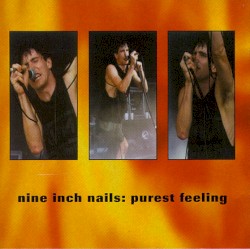
After the album was released, a recording known as Purest Feeling surfaced. The bootleg album contains early rehearsal recordings of many of the tracks featured on Pretty Hate Machine, as well as a couple that were not used ("Purest Feeling", "Maybe Just Once", and an instrumental introduction to "Sanctified" called "Slate"). These early songs also featured Chris Vrenna (who initially played keyboards/samplers in the band) and original drummer Ron Musarra.
Music and lyrics
Unlike the industrial music of Nine Inch Nails' contemporaries, Pretty Hate Machine displays catchy riffs and verse-chorus song structures rather than repetitive electronic beats. Reznor's lyrics express adolescent angst and feelings of betrayal by lovers, society, or God. Themes of despair are collocated with lovesick sentiments. Pitchfork's Tom Breihan categorized it as a synth-pop album that was shaped by industrial music's "nascent new-wave period rather than its subsequent styles." According to Breihan, the beats were muscular, but not in the vein of metal or post-punk, and that the most rock-inspired song on the album was "Head Like a Hole".
正文摘自英文维基百科「Pretty Hate Machine」,按 CC BY-SA 4.0 使用;删去了参考文献、外部链接、表格和图片;篇幅所限只节选了前面一部分,全文见原条目。
资料卡
- 作品性质
- 音乐专辑
- 表演者
- 九吋钉乐团
- 发行日期
- 1989 年 10 月 20 日
- 时长
- 48 分 42 秒
- 流派
- 工业摇滚
- 语言
- 英语
- 唱片公司
- TVT唱片
- 制作人
- 特伦特·雷泽诺、弗拉德 (制片人)、Adrian Sherwood、Keith LeBlanc、John Fryer
- 下一部
- Broken
资料来自 Wikidata Q836587(CC0)。
制作名单
- 厂牌
- TVT Records(目录号 TVTD 2610)
制作
- 编程
- 特伦特·雷泽诺
- 录音
- 特伦特·雷泽诺
- 制作人
- 特伦特·雷泽诺(其中 9 首)、John Fryer(其中 7 首)、Flood(第 1、2 首)、Keith LeBlanc(第 3、9 首)、Adrian Sherwood(第 3 首)
- 工程师
- John Fryer(其中 8 首)、Kennan Keating(第 1、3、6、7、9 首)、Keith LeBlanc(第 1、3、6、7、9 首)、Ken Quartarone(第 1、6、7、9 首)、Doug DeAngelis(第 1、2 首)、Flood(第 1、2 首)、特伦特·雷泽诺(第 3 首)、Adrian Sherwood(第 3 首)
- 混音
- John Fryer(第 2、4、5、6、8、10 首)、Keith LeBlanc(第 1、6、7、9 首)、特伦特·雷泽诺(第 2、6、7、10 首)、Adrian Sherwood(第 3 首)
- 重混
- Keith LeBlanc(第 3、7 首)、Adrian Sherwood(第 3 首)
演奏与演唱
- 演出
- 特伦特·雷泽诺
- 演唱
- 特伦特·雷泽诺
- 电吉他
- Richard Patrick(第 4 首)
词曲与编曲
- 作曲
- 特伦特·雷泽诺
- 作词
- 特伦特·雷泽诺
名单来自 MusicBrainz(CC0)这一发行版本的关系数据,由志愿者录入,不一定齐全。
更多资料与乐评
在哪听
九吋钉乐团 的其他专辑
艺人页 ›

相似的专辑






同在 1989 年发行