 乐单
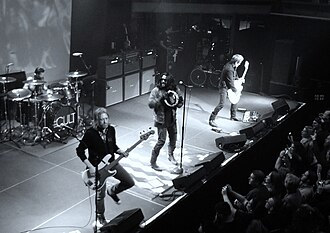
照片:Ted Van Pelt from Mechanicsburg, PA, USA,CC BY 2.0,Wikimedia Commons
异教乐团
- 成立 / 解散
- 1983 –
- 国家/地区
- 英国
- 外文名
- The Cult
- 流派
- 硬式摇滚、哥德摇滚、后朋克
- 成员
- 伊恩·阿斯特伯里、Billy Duffy、John Tempesta、Grant Fitzpatrick、戴蒙·福克斯、Les Warner
介绍
这个词条没有中文维基百科条目,下面是英文维基百科的原文。
The Cult are an English rock band formed in Bradford in 1983. Before settling on its current name in January 1984, the band had performed under the name Death Cult, which was an evolution of the name of lead vocalist Ian Astbury's previous band Southern Death Cult. They gained a dedicated following in the United Kingdom in the mid-1980s as a post-punk and gothic rock band, with singles such as "She Sells Sanctuary", before breaking into the mainstream in the United States in the late 1980s establishing themselves as a hard rock band with singles such as "Love Removal Machine". Since its initial formation in 1983, the band have had various line-ups: the longest-serving members are Astbury and guitarist Billy Duffy, who are also their two main songwriters.
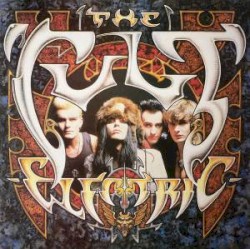
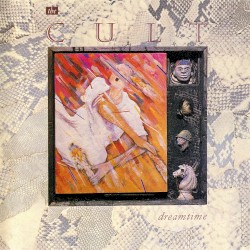
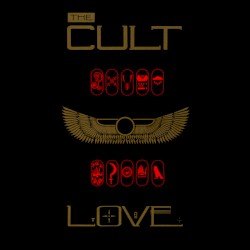
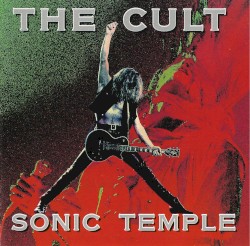
The Cult's debut studio album Dreamtime was released in 1984 to moderate success, with its lead single "Spiritwalker" reaching No. 1 on the UK Indie Chart. Their second studio album, Love (1985), was also successful, charting at No. 4 in the UK and including singles such as "She Sells Sanctuary" and "Rain". The band's third studio album, Electric (1987), launched them to new heights of success, also peaking at No. 4 in the UK and charting highly in other territories, and spawned the hit singles "Love Removal Machine", "Lil' Devil" and "Wild Flower". On that album, the Cult supplemented their post-punk sound with hard rock; the polish on this new sound was facilitated by producer Rick Rubin. After moving to Los Angeles, where the band have been based for the remainder of their career, the Cult continued the musical experimentation of Electric with its follow-up studio album Sonic Temple (1989), which marked their first collaboration with Bob Rock, who would produce several of the band's subsequent studio albums. Sonic Temple was their most successful studio album to that point, entering the Top 10 on the UK and US charts, and included one of the band's most popular songs "Fire Woman".
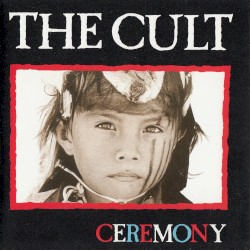
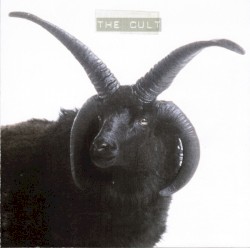
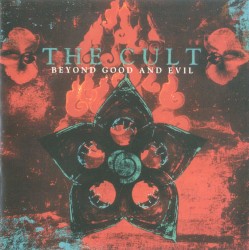
By the time of their fifth studio album Ceremony (1991), tensions and creative differences began to surface between the band members. This resulted in the recording sessions for Ceremony being held without a stable line-up, leaving Astbury and Duffy as the only two official members, and featuring support from session musicians on bass guitar and drums. The ongoing tension had carried over within the next few years, during which the band recorded one more studio album – The Cult (1994) – before disbanding in 1995. The Cult reformed in 1999 and released their seventh studio album Beyond Good and Evil two years later. The commercial failure of the album and resurfaced tensions led to the band's second dissolution in 2002. The Cult reunited once again in 2006, and have since released four more studio albums: Born into This (2007), Choice of Weapon (2012), Hidden City (2016) and Under the Midnight Sun (2022).
History
Early history (1981–1984)
The band's origins can be traced to 1981, in Bradford, Yorkshire, where lead vocalist and songwriter Ian Astbury formed a band called Southern Death Cult. The name was chosen with a double meaning. It was derived from the academic term Southern Death Cult, used to describe a cluster of 14th-century Native American groups now classified as the Southeastern Ceremonial Complex. The name Southern Death Cult also inspired by what the band viewed was the centralisation of political and economic power in Southern England (including the power of the music industry); there has long been a perceived notion of an England North–South divide based on social, historic and economic reasons. Astbury was joined by guitarist Buzz Burrows, bassist Barry Jepson and drummer Aki Nawaz Qureshi; they performed their first show at the Queen's Hall in their hometown of Bradford on 29 October 1981. The band were at the forefront of an emerging style of music, in the form of post-punk and gothic rock, they achieved critical acclaim from the press and music fans.
The band signed to independent record label Situation Two, an offshoot of Beggars Banquet Records, and released a three-track, triple A-side single, "Moya", in 1982. They toured through England headlining some shows and touring with Bauhaus and Theatre of Hate. Southern Death Cult played their final performance in Manchester during February 1983, meaning after only 16 months the band were over. A compilation album named The Southern Death Cult was released, this being a collection of the single, radio sessions with John Peel for Radio One and live performances – one of which an audience member recorded with a tape recorder.
正文摘自英文维基百科「The Cult」,按 CC BY-SA 4.0 使用;删去了参考文献、外部链接、表格和图片;篇幅所限只节选了前面一部分,全文见原条目。
资料卡
- 成立
- 1983 年
- 成立于
- 布拉德福德
- 来自
- 英国
- 活跃起始
- 1983 年
- 流派
- 硬式摇滚、哥德摇滚、后朋克
- 唱片公司
- 乞丐宴会唱片、Situation Two
- 成员
- 伊恩·阿斯特伯里、Billy Duffy、John Tempesta(2006 起)、Grant Fitzpatrick(2015 起)、戴蒙·福克斯(2015 起)、Les Warner
- 官方网站
- thecult.us
资料来自 Wikidata Q887376(CC0)。
榜单和奖项里的专辑(1)
曲库里的其他专辑(10)
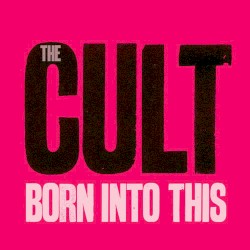
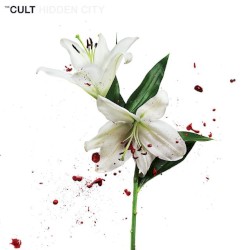
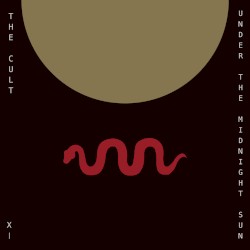
完整作品表见 MusicBrainz。
EP、单曲和其他(2)
有关联的艺人
- 黑暗乐队英国 · 2000– · 硬式摇滚、华丽摇滚
成员、所属团体、受到的影响,来自 Wikidata。
风格、年代相近的艺人
- 冲撞乐队英国 · 1976– · 朋克摇滚、新浪潮
- 治疗乐队英国 · 1976– · 另类摇滚、哥德摇滚
- 欢乐分队英国 · 1976– · 后朋克
- 警察乐队英国 · 1977–1986 · 摇滚乐、新浪潮
- 史密斯英国 · 1984– · 后朋克、新浪潮
- 新秩序英国 · 1980– · 后朋克、另类舞曲
- 苏克西女妖英国 · 1976–1996 · 后朋克、哥德摇滚
- 死亡汽油弹英国 · 1981– · 辗核、熏黑死亡金属
- 头脑简单乐团苏格兰 · 1977– · 新浪潮、艺术摇滚
- 回音与兔人乐队英国 · 1978– · 后朋克、新迷幻音乐
- 极地双子星英国 · 1979–1997 · 仙音、梦幻流行
- 人类联盟合唱团英国 · 1977– · 合成器流行乐、后朋克