乐单
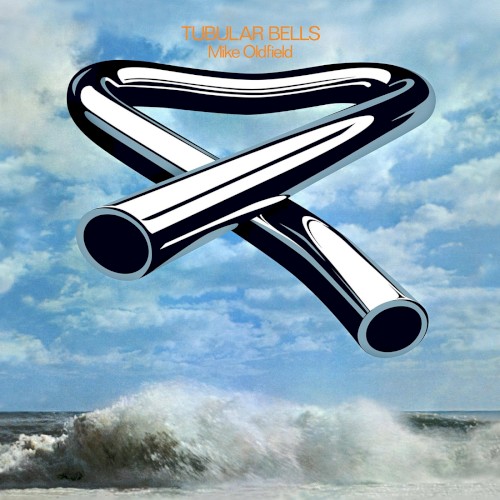
Tubular Bells (1973)
曲目
- 1Tubular Bells, Part One25:30
- 2Tubular Bells, Part Two23:20
2 首 · 约 49 分钟 · 依据 1973 US 发行的版本,在 MusicBrainz 看这个版本。
介绍
这个词条没有中文维基百科条目,下面是英文维基百科的原文。
Tubular Bells is the debut studio album by the English multi-instrumentalist and composer Mike Oldfield, released on 25 May 1973 as the inaugural catalogue release of Virgin Records. Comprising two largely instrumental, long-form movements, the album fuses elements of progressive rock, folk, and minimalism. Oldfield, who was 19 years old when recording began, composed most of the music and performed almost all of the instruments himself through extensive overdubbing. This production method involved dozens of complex tape layers and thousands of punched-in corrections, a process that was highly innovative for a rock release at the time. The album was recorded at The Manor Studio in Oxfordshire, funded by Virgin co-founder Richard Branson, and co-produced by Oldfield with engineers Tom Newman and Simon Heyworth. It features a diverse range of instrumentation—including various guitars, keyboards, percussion, and a set of tubular bells—culminating in a famous finale on "Part One" in which the instruments are introduced individually by the master of ceremonies Vivian Stanshall.
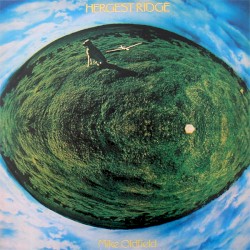
Although Tubular Bells initially generated slow retail sales, it gained global prominence in December 1973 after its opening piano motif was featured in William Friedkin's supernatural horror film The Exorcist. The resulting commercial surge catapulted Oldfield to international fame, established Virgin Records as a major industry force, and laid the financial foundation for the subsequent expansion of the Virgin Group. The album demonstrated historic chart longevity, entering the UK Albums Chart in July 1973 and ultimately reaching number one in October 1974, replacing Oldfield's second studio album, Hergest Ridge (1974), at the summit. An unauthorised U.S. single edit reached number 7 on the Billboard Hot 100, while the full album peaked at number 3 on the Billboard 200. It has sold an estimated 15 to 17.5 million copies worldwide, cementing its position as one of the best-selling instrumental albums of all time.
The album received widespread critical acclaim from British music publications upon release, though its reception among American critics was more mixed. It won the Grammy Award for Best Instrumental Composition in 1975 and has since been regarded as a pioneering masterpiece of progressive and new-age music, receiving an induction into the Grammy Hall of Fame in 2018. An orchestral arrangement by David Bedford was released in 1975 as The Orchestral Tubular Bells. Oldfield subsequently expanded the project into a multimedia franchise, producing four direct sequels between 1992 and 1999 and a digital re-recording in 2003. The album's iconic artwork, designed by Trevor Key, was commemorated by the Royal Mail in a 2010 special postage stamp issue. Oldfield initially resisted live touring, performing the work only twice in 1973, before permanently integrating it into his regular concert repertoire from 1979 onward. Its enduring contribution to British cultural history was later celebrated when Oldfield performed excerpts from the work live during the 2012 Summer Olympics opening ceremony in London.
Background
Oldfield learned to play the guitar at an early age, performing in local folk clubs by the age of 12. As a teenager, he was hired as the bass player for the Whole World, a progressive rock band formed by former Soft Machine vocalist Kevin Ayers. In 1970, when Oldfield was 17 years old, the group spent several months at Abbey Road Studios recording their album Shooting at the Moon (1970). When the group did not have recording time booked, Oldfield arrived at the studio early to experiment with the array of instruments left in the rooms, including harpsichords, orchestral percussion, a Mellotron, and a set of tubular bells, teaching himself how to play each one.
Following the dissolution of the Whole World in mid-1971, Ayers lent Oldfield a two-track Bang & Olufsen Beocord quarter-inch tape recorder. By modifying the machine with wire cutters and adhesive tape to block the erase head, Oldfield was able to bounce recorded audio from one tape track to the other while superimposing a new instrument. This makeshift overdubbing technique allowed him to create complex, multi-layered prototype recordings in his apartment in Tottenham, North London.
正文摘自英文维基百科「Tubular Bells」,按 CC BY-SA 4.0 使用;删去了参考文献、外部链接、表格和图片;篇幅所限只节选了前面一部分,全文见原条目。
资料卡
- 作品性质
- 音乐专辑
- 表演者
- 麦克·欧菲尔德
- 发行日期
- 1973 年 5 月 25 日
- 时长
- 48 分 57 秒
- 流派
- 交响摇滚
- 语言
- 英语、没有该语言的内容
- 唱片公司
- 维珍唱片
- 制作人
- Tom Newman
- 封面设计
- Trevor Key
资料来自 Wikidata Q826224(CC0)。
制作名单
- 厂牌
- Virgin(目录号 VR 13-105)
- 录音室
- 录音:The Manor(Oxfordshire)
制作
- 制作人
- Simon Heyworth、Tom Newman、麦克·欧菲尔德
- 磁带
- 麦克·欧菲尔德(第 1 首)
演奏与演唱
- 吉他
- 麦克·欧菲尔德
- 合唱
- Mundy Ellis、Sally Oldfield、Nasal Choir(第 1 首)、Manor Choir(第 2 首)
- 低音提琴
- Lindsay L. Cooper(第 1 首)
- 长笛
- Jon Field(第 1 首)
- 原声吉他
- 麦克·欧菲尔德(第 1 首)
- 贝斯
- 麦克·欧菲尔德(第 1 首)
- 电吉他
- 麦克·欧菲尔德(第 1 首)
- 电子琴
- 麦克·欧菲尔德(第 1 首)
- 法菲萨风琴
- 麦克·欧菲尔德(第 1 首)
- flageolet
- 麦克·欧菲尔德(第 1 首)
- 钟琴
- 麦克·欧菲尔德(第 1 首)
- 三角钢琴
- 麦克·欧菲尔德(第 1 首)
- mandoguitar
- 麦克·欧菲尔德(第 1 首)
- 打击乐
- 麦克·欧菲尔德(第 1 首)
- 钉锤钢琴
- 麦克·欧菲尔德(第 1 首)
- 管钟
- 麦克·欧菲尔德(第 1 首)
- 人声
- Vivian Stanshall(第 1 首)、麦克·欧菲尔德(第 2 首)
- 指挥
- 麦克·欧菲尔德(第 2 首)
- 鼓
- Steve Broughton(第 2 首)
- 哈蒙德风琴
- 麦克·欧菲尔德(第 2 首)
- 古典吉他
- 麦克·欧菲尔德(第 2 首)
- 钢琴
- 麦克·欧菲尔德(第 2 首)
- 定音鼓
- 麦克·欧菲尔德(第 2 首)
词曲与编曲
- 作曲
- 麦克·欧菲尔德
包装与设计
- 摄影
- Trevor Key
名单来自 MusicBrainz(CC0)这一发行版本的关系数据,由志愿者录入,不一定齐全。
更多资料与乐评
在哪听
麦克·欧菲尔德 的其他专辑
艺人页 ›
相似的专辑






同在 1973 年发行