 乐单
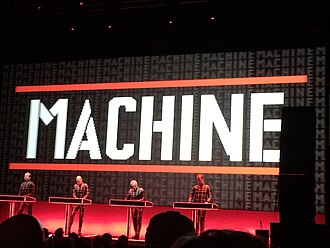
照片:SafeForWork,CC BY-SA 3.0,Wikimedia Commons
发电厂乐团
- 成立 / 解散
- 1961 –
- 国家/地区
- 德国
- 外文名
- Kraftwerk
- 流派
- 电子音乐、德国摇滚、合成器流行乐、电声音乐、铁克诺音乐
- 成员
- 拉尔夫·胡特尔、弗洛里安·施耐德、卡尔·巴托斯、沃夫冈·弗勒尔、Fernando Abrantes、克劳斯·瑞德尔、迈克尔·罗瑟、Klaus Dinger、Fritz Hilpert、Henning Schmitz、Falk Grieffenhagen
介绍
发电站乐队(德语:Kraftwerk,直译:“发电站”,德语发音:[ˈkʁaftvɛɐk])是德国的电子音乐团体,在电子音乐开疆拓土的历史中扮演十分关键的角色。乐团在1970年的创始团员为Florian Schneider与Ralf Hütter,他们在杜塞尔多夫建立乐队。广为众人熟悉的四人组合的其他两人 Wolfgang Flür 与 Karl Bartos 则是稍晚加入。
Kraftwerk所引进的技巧以及发展出来的装备,已成为现代音乐的必备常识。他们对二十世纪下半叶电子音乐的影响力是顶级的。
乐团历史
发电站乐队成立于1970年,由长笛手Florian Schneider-Esleben与键盘手Ralf Hütter共同组建。两人在学生时代初识,并在60年代末期以Organisation乐队的名义发行了专辑《Tone Float》,主要是即兴创作为主。
早期的Kraftwerk主要是两个团员与众多音乐人合作,出产了四张专辑与现场演出,团员来来去去也有六七个,其中吉他手Michael Rother与鼓手Klaus Dinger后来共同组成了Neu!。
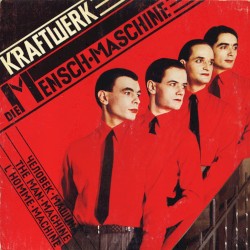
Kraftwerk The Man-Machine 在1978年发行 当中有一首曲目名为 Das Model是放在发行录音带的B面,当年在英国单曲排行榜只得到当时的第36名次。
1981年EMI唱片公司决定重新发行把 Das Model 曲目放到A面,在1982年2月6日得到英国单曲排行榜第一位名次。Kraftwerk-Das Model曲目在这个时候最为香港娱乐场所热门流行跳舞音乐之一。
成员
现任成员
Ralf Hütter –主唱、声码器、合成器、键盘 (1970–现在);电风琴、鼓与打击乐器、贝斯、吉他 (1970–1974)
Fritz Hilpert – 电子鼓 (1989–现在)
Henning Schmitz – 电子鼓、现场演出的键盘手 (1991–现在)
Falk Grieffenhagen – 现场影视技术员 (2012–现在)
正文摘自中文维基百科「電力站樂團」,按 CC BY-SA 4.0 使用;已转为简体,删去了参考文献、外部链接、表格和图片。
英文维基百科上的更多内容(英文原文,约 3,407 字符)
Kraftwerk (German pronunciation: [ˈkʁaftvɛʁk] , lit. 'power plant') is a German electronic band formed in Düsseldorf in 1970 by Ralf Hütter and Florian Schneider. Widely considered innovators and pioneers of electronic music, Kraftwerk was among the first successful acts to popularise the genre. The group began as part of West Germany's experimental krautrock scene in the early 1970s before embracing electronic instrumentation, including synthesizers, drum machines, and vocoders. Wolfgang Flür joined in 1973 and Karl Bartos in 1975.
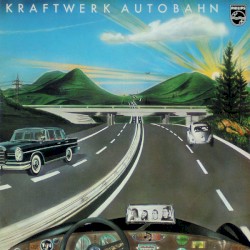
On commercially successful albums such as Autobahn (1974), Trans-Europe Express (1977), The Man-Machine (1978), and Computer World (1981), Kraftwerk developed a self-described "robot pop" style that combined electronic music with pop melodies, sparse arrangements, and repetitive rhythms, while adopting a stylised image including matching suits. Following the release of Electric Café (1986), Flür left in 1987, followed by Bartos in 1990. Kraftwerk released Tour de France Soundtracks, its most recent studio and concept album, in 2003. Schneider left in 2008 to pursue solo work and died in 2020. Kraftwerk has continued to tour under the leadership of Hütter.
Kraftwerk has influenced a range of artists and genres, including synth-pop, hip-hop, post-punk, techno, house music, ambient, and club music. In 2014, the Recording Academy honoured Kraftwerk with a Grammy Lifetime Achievement Award. The live album 3-D The Catalogue (2017) won the 2018 Grammy Award for Best Dance/Electronic Album. In 2021, Kraftwerk was inducted into the Rock & Roll Hall of Fame in the early influence category. In his speech to the German Bundestag on 30 March 2023, King Charles III also highlighted the group’s extraordinary achievements and significance for British musical culture. As of 2026, the band continues to tour, with the members' live performances celebrating Kraftwerk's fiftieth anniversary.
History
Formation and early years (1970–1973)
Florian Schneider (flutes, synthesizers, violin) and Ralf Hütter (organ, synthesizers) met as students at the Robert Schumann Hochschule in Düsseldorf in the late 1960s, participating in the German experimental music and art scene of the time, which Melody Maker jokingly dubbed "krautrock".
They joined a quintet known as Organisation, which released one album, Tone Float in 1970, issued on RCA Records in the UK, and split shortly thereafter. Schneider became interested in synthesizers, deciding to acquire one in 1970. While visiting an exhibition in their hometown about visual artists Gilbert and George, they see "two men wearing suits and ties, claiming to bring art into everyday life. The same year, Hütter and Schneider started bringing everyday life into art and form Kraftwerk".
Early Kraftwerk line-ups from 1970 to 1974 fluctuated, as Hütter and Schneider worked with around a half-dozen other musicians during the preparations for and the recording of three albums and sporadic live appearances, including guitarist Michael Rother and drummer Klaus Dinger, who left to form Neu!. The only constant figure in these line-ups was Schneider, whose main instrument at the time was the flute; at times he also played the violin and guitar, all processed through a varied array of electronic devices. Hütter, who left the band for eight months to focus on completing his university studies, played synthesizer and keyboards (including Farfisa organ and electric piano).
这部分摘自英文维基百科「Kraftwerk」,按 CC BY-SA 4.0 使用;删去了参考文献、外部链接、表格和图片;篇幅所限只节选了前面一部分,全文见原条目。
资料卡
- 成立
- 1961 年
- 成立于
- 杜塞尔多夫
- 来自
- 德国
- 活跃起始
- 1970 年
- 活跃结束
- 2003 年
- 流派
- 电子音乐、德国摇滚、合成器流行乐、电声音乐、铁克诺音乐、实验音乐、电子
- 唱片公司
- 华纳兄弟唱片公司、星沃克唱片、艾丽卡唱片、EMI、Kling Klang
- 成员
- 拉尔夫·胡特尔(1970 起)、弗洛里安·施耐德(1970–2008)、卡尔·巴托斯(1975–1991)、沃夫冈·弗勒尔(1973–1987)、Fernando Abrantes(1991–1991)、克劳斯·瑞德尔(1974–1974)、迈克尔·罗瑟(1971–1971)、Klaus Dinger(1970–1971)、Fritz Hilpert(1989 起)、Henning Schmitz(1991 起)、Falk Grieffenhagen(2012 起)
- 获奖
- 格莱美终身成就奖(2014)、Preis für Popkultur(2016)、摇滚名人堂(2021)
- 官方网站
- kraftwerk.com
资料来自 Wikidata Q44892(CC0)。
榜单和奖项里的专辑(3)
本站收录的歌(1)
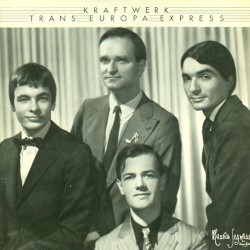
- 环欧快车1976
曲库里的其他专辑(12)
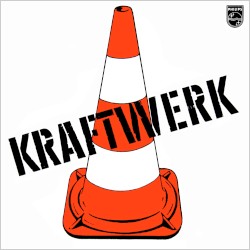
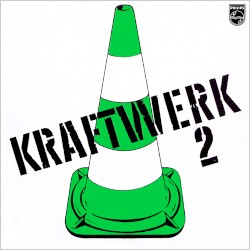
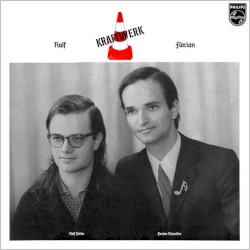
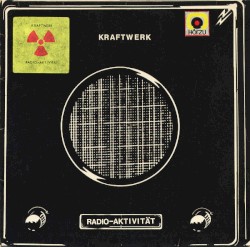
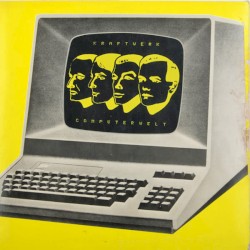
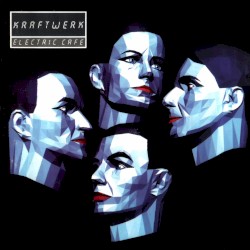
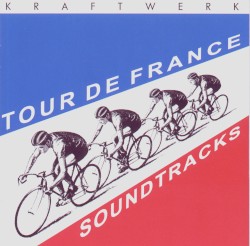
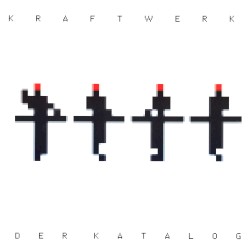
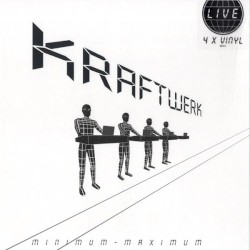
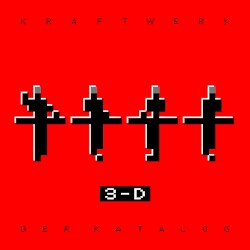
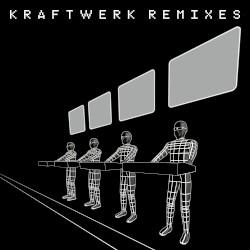
完整作品表见 MusicBrainz。
EP、单曲和其他(6)
有关联的艺人
- 赶时髦英国 · 1980– · 合成器流行乐、电子
成员、所属团体、受到的影响,来自 Wikidata。