乐单
公路飙车 (1974)
曲目
- AAutobahn22:30
- B1Kometenmelodie 1 (Comet Melody 1)6:20
- B2Kometenmelodie 2 (Comet Melody 2)5:44
- B3Mitternacht (Midnight)4:40
- B4Morgenspaziergang (Morning Walk)4:00
5 首 · 约 43 分钟 · 依据 1974 US 发行的版本,在 MusicBrainz 看这个版本。
介绍
《公路飙车》(德语:Autobahn)是德国电子乐队发电站乐队的第四张录音室专辑,发行于1974年11月。这是乐队首张大量使用其标志性重复电子声的专辑。专辑名称源自于德国高速公路。
专辑制作
《公路飙车》不完全是一张电子乐专辑,除了合成器之外还使用了小提琴、长笛、钢琴和吉他。除在专辑同名曲中使用了原始人声和声码器编码人声,其余曲目皆为纯音乐。乐队使用了迷你穆格合成器、ARP奥德赛合成器、EMS合成AKS合成器、法菲萨专业钢琴以及各种自行设计和改造的设备,例如他们著名的电子鼓。
专辑同名曲表现了乘车游览风光、快车道上的疾驰、车载电台的调频和长途旅行的乏味感等在高速公路上驾驶的意境。
其余的氛围音乐曲目都是前奏和主体组成的两段式结构。前奏大致基于“夜晚”主题,首先是《彗星旋律1》和《彗星旋律2》(受科胡特克彗星启发),紧随的是曲风令人不安的《午夜》。最后是《晨间散步》,此曲前奏表现了“黎明”,加入了电子合成的鸟鸣声。延长的尾奏则是专辑同名曲前奏器乐部分的重复变奏。
克劳斯·瑞德尔只与乐队合作了很短时间,在专辑录制结束之前他就离开了乐队。
音乐工程师康尼·普兰克参与制作了发电站的最初几张专辑,为早期乐队曲风的形成做出了巨大贡献。大部分录音和混音都在他位于科隆的录音室进行。
沃夫冈·弗勒尔自1973年末加入乐队。首次出场于柏林电视台一场宣传专辑《拉尔夫和弗洛里安》的表演。那场演出中他首次使用了乐队自制的电子鼓,之后在专辑《公路飙车》中也被大量被使用。
专辑封面
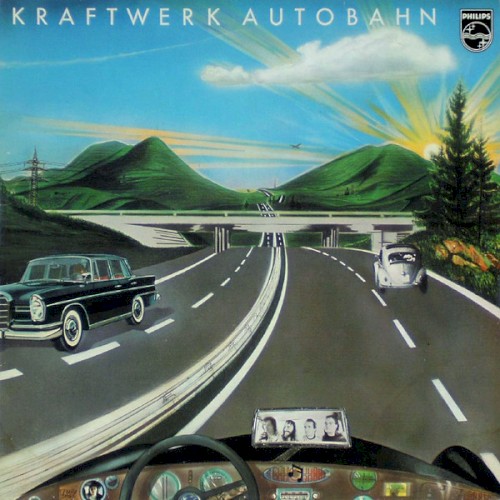
德国版的初版专辑封面由埃米尔·舒尔特绘制,他自专辑《拉尔夫和弗洛里安》就与乐队开始合作了,同时也参与了曲目《公路飙车》的作词。1974年由Vertigo唱片发行的英国版封面则是由厂牌自己的市场部门设计。
初版专辑的封底照片表现了胡特尔、施耐德、瑞德尔和埃米尔·舒尔特坐在汽车的后排。当沃夫冈·弗勒尔决定长期加入乐队后,他的形象替换掉了舒尔特。不过2009年的重制版中使用的却是初版的照片。
评价
《村声》杂志的评论家罗伯特·克里斯特高称:“这是德国酸菜摇滚中的铁蝴蝶乐队,或是给十足的傻瓜听的麦克·欧菲尔德,但委婉的说我不完全否定这张专辑。” AllMusic将其描述为一张“先锋专辑”、“同时有着电子放克、氛围音乐和合成器流行的特点。” 专辑被《1001张死前必听专辑》这本书收录。 线上杂志《死寂》的约翰·多兰(John Doran)说:“这张专辑是德国实验流行乐与摇滚乐创造力的爆发点,它的运动节奏也标志着近代音乐史的发展。”
《新音乐快递》则持负面态度,称专辑“弄巧成拙”、“充满《神气粉小猪》中的噪音”
专辑同名曲的电台编辑版出人意料的在全球范围受到欢迎,最高达到了英国榜单第11名,加拿大和荷兰榜单第12名,美国公告牌百强单曲第25名和澳大利亚榜单第30名。
2015年,专辑被格莱美名人堂收录。
制作人员
- 原版专辑
- 拉尔夫·胡特尔:人声、电子音
- 弗洛里安·施耐德:人声、电子音
- 克劳斯·瑞德尔:小提琴、吉他
- 沃夫冈·弗勒尔:电子鼓
- 康尼·普兰克:音乐工程师
- 埃米尔·舒尔特:封面绘制
- 芭芭拉·妮莫勒(Barbara Niemöller):封底照片拍摄
- 1985年版专辑
- 克劳斯·瑞德尔:《午夜》中的电子小提琴
- 2009年重制版专辑
- 拉尔夫·胡特尔:人声、电音、合成器、管风琴、钢琴、吉他、电子鼓、封面重绘
- 弗洛里安·施耐德:人声、人声编码、电音、合成器、长笛、电子鼓
- 沃夫冈·弗勒尔:《彗星旋律1》和《彗星旋律2》中的电子鼓
- 克劳斯·瑞德尔:《午夜》中的电子小提琴
- 约翰·赞布莱斯基(Johann Zambryski):封面重绘
正文摘自中文维基百科「公路飆車 (專輯)」,按 CC BY-SA 4.0 使用;已转为简体,删去了参考文献、外部链接、表格和图片。
英文维基百科上的更多内容(英文原文,约 2,248 字符)
Autobahn is the fourth studio album by German electronic music band Kraftwerk, released in November 1974 by Philips Records. The album marked several personnel changes in the band, which was initially a duo consisting of Florian Schneider and Ralf Hütter; later, the group added Klaus Röder on guitar and flute, and Wolfgang Flür on percussion. The album also completed the group's transition from the experimental krautrock style of their earlier work to an electropop sound consisting mostly of synthesizers and drum machines. Recording started at the group's own Kling Klang facility, but was predominantly made at Conny Plank's studio. Autobahn also includes lyrics and a new look for the group that was suggested by Emil Schult, an associate of Schneider and Hütter.
Most of the album is taken up by the 22-minute "Autobahn", featuring lyrics by Schneider, Hütter, and Schult. The song was inspired by the group's joy of driving on Germany's autobahns, and recorded music that reflected a trip emulating the sounds of a vehicle. The album's release in West Germany saw little press attention. "Autobahn" was released as a single and received airplay at a Chicago radio station, leading it to spread across the United States. In 1975, the song became an international hit and Kraftwerk's first release of their music in the US. "Autobahn"'s success led to the band touring the United States with new member Karl Bartos, who replaced Röder, followed by a tour of the United Kingdom.
Initial reception to Autobahn was mixed; receiving negative reviews, from Rolling Stone and Village Voice, who felt the music was inferior to earlier music from Wendy Carlos and Mike Oldfield, and positive reviews that praised the title track as hypnotic and arresting for its imagery of driving on the autobahn. Critics from the Fort Worth Star-Telegram and Newsday included the album in their "Honorable Mentions" sections of their year-end lists. Retrospectively, the album has been unanimously praised; Simon Witter wrote in NME the album is of "enormous historical significance" and Simon Reynolds said the album is where Kraftwerk's music really starts to matter. Musicians of the 1970s and 1980s, including David Bowie, cited the album as a major influence.
这部分摘自英文维基百科「Autobahn (album)」,按 CC BY-SA 4.0 使用;删去了参考文献、外部链接、表格和图片;篇幅所限只节选了前面一部分,全文见原条目。
资料卡
- 作品性质
- 音乐专辑
- 表演者
- 发电厂乐团
- 发行日期
- 1974 年 11 月
- 时长
- 42 分 26 秒
- 流派
- 电声音乐、电子流行、德国摇滚
- 语言
- 德语
- 唱片公司
- 飞利浦唱片
- 制作人
- 康尼·普兰克
资料来自 Wikidata Q544099(CC0)。
制作名单
- 厂牌
- Vertigo(目录号 VEL-2003)
制作
- 工程师
- Conny Plank(第 A、B1、B3、B4 首)
演奏与演唱
- 合成器
- Ralf Hütter(第 A、B1、B3、B4 首)、Florian Schneider(第 B1、B3、B4 首)
- 风琴
- Ralf Hütter(第 A、B1、B3、B4 首)
- 钢琴
- Ralf Hütter(第 A、B1、B3、B4 首)
- 吉他
- Ralf Hütter(第 A、B1、B3、B4 首)
- 电子乐器
- Ralf Hütter(第 B1、B3、B4 首)、Florian Schneider(第 B1、B3、B4 首)、Klaus Röder(第 B3 首)
- 长笛
- Florian Schneider(第 B1、B3、B4 首)
- 声码器
- Florian Schneider(第 B1、B3、B4 首)
- 电子鼓
- Florian Schneider(第 B1、B3、B4 首)、Wolfgang Flür(第 B1 首)
- 打击乐
- Wolfgang Flür(第 B3、B4 首)
词曲与编曲
- 作曲
- Ralf Hütter、Florian Schneider
- 作词
- Ralf Hütter(第 A 首)、Florian Schneider(第 A 首)、Emil Schult(第 A 首)
名单来自 MusicBrainz(CC0)这一发行版本的关系数据,由志愿者录入,不一定齐全。
更多资料与乐评
在哪听
发电厂乐团 的其他专辑
艺人页 ›
相似的专辑


同在 1974 年发行