 乐单

照片:Heinrich Klaffs,CC BY-SA 2.0,Wikimedia Commons
罐头
- 成立 / 解散
- 1968 –
- 国家/地区
- 德国
- 外文名
- Can
- 流派
- 交响摇滚、德国摇滚、艺术摇滚
- 成员
- 里鲍普·科瓦库·巴、贾基·利伯泽特、伊尔敏·施密特、霍尔格·克苏卡伊、Damo Suzuki、罗斯科·吉、戴维·约翰逊、Michael Karoli、Malcolm Mooney
介绍
罐头乐队(英语:Can)是一支1968年成立于西德的实验摇滚乐队。基于先锋音乐和爵士乐,乐队把简约音乐、电子音乐、放克、世界音乐等元素融入了他们的风格。他们被广泛认为是德国泡菜摇滚的先驱。该乐队对先锋音乐、实验音乐、后朋克、氛围音乐、新浪潮和电子乐等风格产生了深远影响
正文摘自中文维基百科「罐头乐队」,按 CC BY-SA 4.0 使用;已转为简体,删去了参考文献、外部链接、表格和图片。
英文维基百科上的更多内容(英文原文,约 3,094 字符)
Can (stylized in all caps) were a German experimental rock band formed in Cologne in 1968 by Holger Czukay (bass, tape editing), Irmin Schmidt (keyboards), Michael Karoli (guitar), and Jaki Liebezeit (drums). They featured several vocalists, including American Malcolm Mooney (1968–70) and Japanese Damo Suzuki (1970–73). They have been hailed as pioneers of the German krautrock scene.
The founding members of Can came from backgrounds in avant-garde music and jazz. They blended elements of psychedelic rock, funk, samba and musique concrète on influential albums such as Tago Mago (1971), Ege Bamyasi (1972) and Future Days (1973). Can also had commercial success with singles such as "Spoon" (1971) and "I Want More" (1976) reaching national singles charts. Their work has influenced rock, post-punk, indie rock, post-rock and ambient acts.
History
1960s
Can, initially named the Inner Space, was formed in Cologne, Germany, in 1968 by Holger Czukay (bass), Irmin Schmidt (keyboard), Jaki Liebezeit (drums) and Michael Karoli (guitar). Czukay and Schmidt were from academic backgrounds, students of the composer Karlheinz Stockhausen, and were fascinated by the possibilities of rock and roll. By mid-1968, Can played their first show at an art opening at invitation of art collector Christoph Vohwinkel. The performance was taped, and extracts were released in January 1985 as a cassette Prehistoric Future. The live performance was recorded with Manni Löhe who played flute and percussion, with occasional vocals. In July 1968, Irmin's film industry connections delivered the group’s first commission. German public broadcaster ARD requested a track for 1970 film Das Millionenspiel. The title track featured saxophone player Gerd Dudek and appeared on The Lost Tapes compilation.
In late 1968, the Inner Space enlisted the American vocalist Malcolm Mooney. They recorded an album, Prepare to Meet Thy Pnoom, but could not find a recording company to release it. The Inner Space made the soundtrack pieces for 1969 films Agilok & Blubbo and Kamasutra: Vollendung der Liebe, making a brief appearance in the latter movie. "Man Named Joe", a track from Prepare to Meet Thy Pnoom, resurfaced on Kamasutra: Vollendung der Liebe. At Mooney's suggestion, the band changed their name to Can. Around the time of Johnson's departure, Mooney suggested the name for its positive meanings in various languages—for example, the English can ("be able to"); the Turkish can (pronounced [dʒan]), meaning "soul", "spirit", or "life"; and the Japanese 感 (kan; "feeling, emotion") and ちゃん (-chan, a suffix meaning "beloved"). Liebezeit later suggested the backronym definition "communism, anarchism, nihilism", after an English magazine claimed that this was the intended meaning.
At invitation of Vohwinkel, they moved to Schloss Nörvenich, where they established a recording studio Inner Space. There, they recorded their debut album, Monster Movie (1969). It contained new versions of two songs previously recorded for Prepared to Meet Thy Pnoom, "Father Cannot Yell" and "Outside My Door". Monster Movie received acclaim.
这部分摘自英文维基百科「Can (band)」,按 CC BY-SA 4.0 使用;删去了参考文献、外部链接、表格和图片;篇幅所限只节选了前面一部分,全文见原条目。
资料卡
- 成立
- 1968 年
- 成立于
- 科隆
- 来自
- 德国
- 活跃起始
- 1968 年
- 流派
- 交响摇滚、德国摇滚、艺术摇滚
- 唱片公司
- Liberty唱片
- 成员
- 里鲍普·科瓦库·巴、贾基·利伯泽特、伊尔敏·施密特、霍尔格·克苏卡伊、Damo Suzuki、罗斯科·吉、戴维·约翰逊、Michael Karoli、Malcolm Mooney
- 获奖
- Echo Pop Honorary Award(2003)、Qwartz Electronic Music Awards
- 官方网站
- spoonrecords.com
资料来自 Wikidata Q170132(CC0)。
榜单和奖项里的专辑(3)
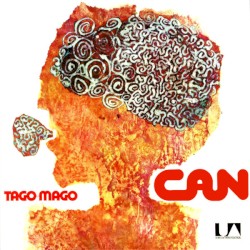
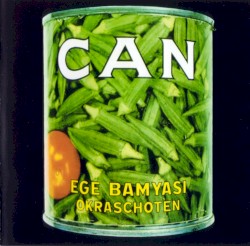
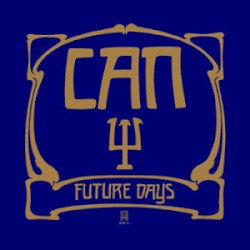
曲库里的其他专辑(14)
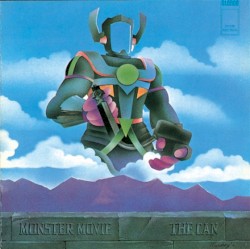
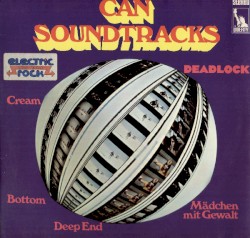
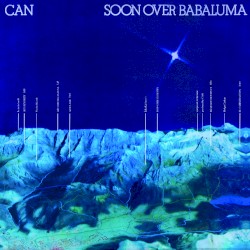
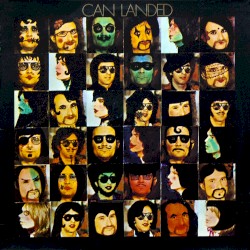
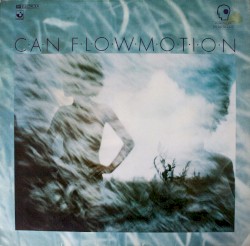
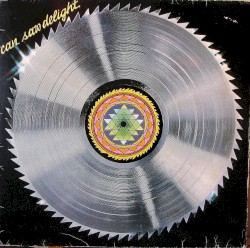
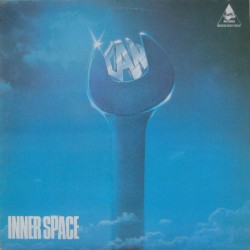
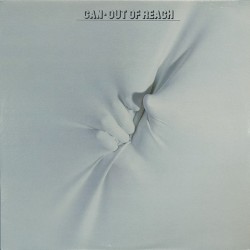
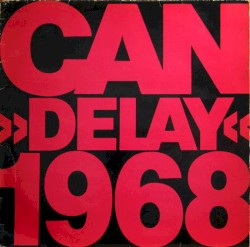
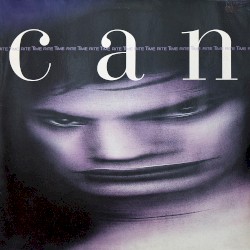
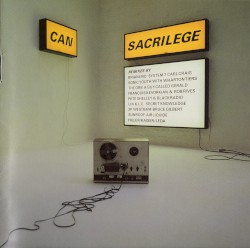
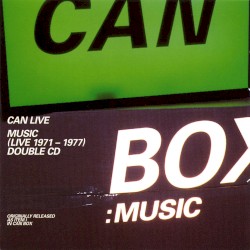
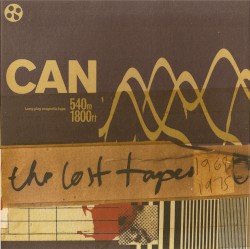

完整作品表见 MusicBrainz。
有关联的艺人
成员、所属团体、受到的影响,来自 Wikidata。