 乐单
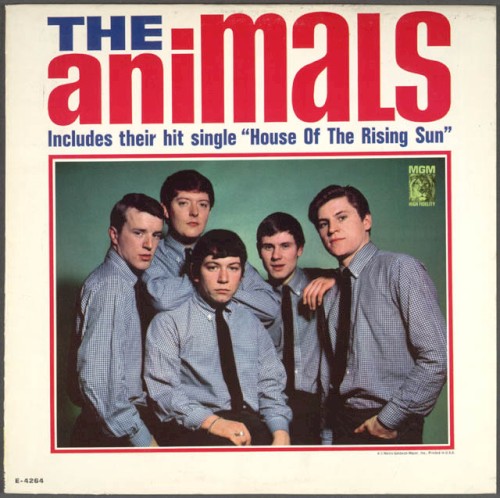
日升之屋 (?)
介绍
《日升之屋》(英语:The House of the Rising Sun),是美国传统的民间音乐,也称为日升蓝调(Rising Sun Blues),歌词是一个年轻人自述住在新奥尔良贫民区的自家房屋,而且生活是每况愈下,告诫敦促兄弟姐妹们不要重蹈覆辙,同时也哀叹世世代代难以扭转贫穷的宿命,深深期待着能够翻转世代。
由英国蓝调摇滚乐团动物乐团1964年所录制,是最流行成功的商业版本,在英国单曲榜以及美国告示牌百大单曲榜和加拿大单曲榜都得到了冠军,在欧洲和法国的单曲榜单也都有上榜 。作为电子摇滚乐团录制的传统民谣,被认为是“第一支民谣摇滚乐”。
这首歌曲跟许多民谣歌曲一样,词曲创作者已经不详。歌曲也经由各个国家多位歌手和多种语言重新诠释,其中巴布·狄伦的第一张专辑就有收录此歌曲,并被动物乐团的歌迷批评抄袭动物乐团的作品。桃莉·巴顿在她过去的专辑也有收录。在台湾,这首歌被改编为由蔡振南演唱的大节女。
MachineGames开发的电子游戏《德军总部:新秩序》描述了一个轴心国战胜反法西斯同盟的世界观,与电视剧“高堡奇人”颇为类似,其中的一首德语配乐 (页面存档备份,存于互联网档案馆)采用了日升之屋的曲调。
正文摘自中文维基百科「日昇之屋」,按 CC BY-SA 4.0 使用;已转为简体,删去了参考文献、外部链接、表格和图片。
英文维基百科上的更多内容(英文原文,约 3,481 字符)
"The House of the Rising Sun" is an American traditional folk song, sometimes called "Rising Sun Blues". It tells of a person's life gone wrong in the city of New Orleans. Many versions also urge a sibling or parents and children to avoid the same fate. The most successful commercial version, recorded in 1964 by the English rock band The Animals, was a number one hit on the UK Singles Chart and in the US and Canada. As a traditional folk song recorded by an electric rock band, it has been described as the "first folk rock hit".
The song was first collected in Appalachia in the 1930s, but probably has its roots in traditional English folk song. It is listed as number 6393 in the Roud Folk Song Index. In June 2026, CBS News included the song in its list of the 250 essential American songs of the past 250 years.
Origin and early versions
Origin
Like many folk songs, "The House of the Rising Sun" is of uncertain authorship. Musicologists say that it is based on the tradition of broadside ballads, and thematically it has some resemblance to the 16th-century ballad "The Unfortunate Rake" (also cited as source material for "St. James Infirmary Blues"), yet there is no evidence suggesting that there is any direct relation. The folk song collector Alan Lomax suggested that the melody might be related to a 17th-century folk song, "Lord Barnard and Little Musgrave", also known as "Matty Groves", but a survey by Bertrand Bronson showed no clear relationship between the two songs.
Traditional English
Lomax also noted that "Rising Sun" was the name of a bawdy house in two traditional English songs, and a name for English pubs, and proposed that the location of the house was then relocated from England to the US by Southern performers. In 1953, Lomax met Harry Cox, an English farm labourer known for his impressive folk song repertoire, who knew a song called "She was a Rum One" (Roud 2128) with two possible opening verses, one beginning
The recording Lomax made of Harry Cox is available online. (Cox provides the alternative opening verse with the "Rising Sun" line at 1:40 in the recording.) It is considered extremely unlikely that Cox was aware of the American song. It is also lent credence by the fact that there was a pub in Lowestoft called The Rising Sun and by the fact that the town is the most easterly settlement in the UK (hence "rising sun"). Doubt has been expressed as to whether Cox's song has any connection to later versions.
France
Folklorist Vance Randolph proposed an alternative origin related to France, in which the "rising sun" might refer to the sunburst insignia dating to the time of Louis XIV, which was brought to North America by French immigrants.
Earliest American versions
"House of the Rising Sun" was said to have been known by American miners in 1905. The oldest published version of the lyrics is that printed by Robert Winslow Gordon in 1925, in a column titled "Old Songs That Men Have Sung" in Adventure magazine. The lyrics of that version begin:
The oldest known recording of the song, under the title "Rising Sun Blues", is by Appalachian artists Clarence "Tom" Ashley and Gwen Foster, who recorded it on September 6, 1933, on the Vocalion label (02576). Ashley said he had learned it from his grandfather, Enoch Ashley, who got married around the time of the Civil War, which suggests that the song could have been written years before the start of the 20th century. Roy Acuff, an "early-day friend and apprentice" of Clarence Ashley's, learned it from him and recorded it as "Rising Sun" on November 3, 1938.
这部分摘自英文维基百科「The House of the Rising Sun」,按 CC BY-SA 4.0 使用;删去了参考文献、外部链接、表格和图片;篇幅所限只节选了前面一部分,全文见原条目。
资料卡
- 作品性质
- 音乐作品/乐曲
- 表演者
- 动物乐队、斯莫奇·罗宾逊、奇迹乐队
- 收录于 / 属于
- The Animals
- 流派
- 蓝调摇滚、民谣摇滚、Appalachian folk music
- 语言
- 英语
- 来自
- 美国
- 作曲
- traditional
- 作词
- traditional
资料来自 Wikidata Q478928(CC0)。
制作名单
词曲与编曲
- 编曲
- Alan Price
- 作曲
- [traditional]
- 作词
- [traditional]
名单来自 MusicBrainz(CC0)这条录音的关系数据,由志愿者录入,不一定齐全。
更多资料
在哪听
动物乐队 的专辑
艺人页 ›
动物乐队 的其他歌(本站收录)
- 泪痕奇迹乐队 · 1965
- The Tears of a Clown奇迹乐队 · 1970
- Boom Boom约翰·李·霍克 · 1962
风格、年代相近的歌
- Losing My ReligionR.E.M. · 1991
- Tangled Up in Blue鲍勃·迪伦 · 1975
- 愿你在此平克·弗洛伊德 · 1975
- Tumbling Dice滚石乐队 · 1972
- 通往天堂的阶梯齐柏林飞船 · 1971
- After the Gold Rush尼尔·杨 · 1970
- Father and Son凯特·史蒂文斯 · 1970
- Whole Lotta Love齐柏林飞船 · 1969
- 太空怪谈大卫·鲍伊 · 1969
- 一体两面琼尼·米歇尔 · 1969
- Whipping Post欧曼兄弟乐团 · 1969
- Like a Rolling Stone鲍勃·迪伦 · 1965