乐单
曲目
- A1Variations on a Theme by Erik Satie (1st and 2nd Movements, Adapted From "Trois Gymnopedies")2:30
- A2Smiling Phases5:11
- A3Sometimes in Winter3:09
- A4More and More3:04
- A5And When I Die4:06
- A6God Bless the Child5:56
- B1Spinning Wheel4:08
- B2You've Made Me So Very Happy4:19
- B3Blues, Part II11:43
- B4Variations on a Theme by Erik Satie (1st Movement, Adapted From "Trois Gymnopedies")1:40
10 首 · 约 46 分钟 · 依据 1969-01 US 发行的版本,在 MusicBrainz 看这个版本。
介绍
这个词条没有中文维基百科条目,下面是英文维基百科的原文。
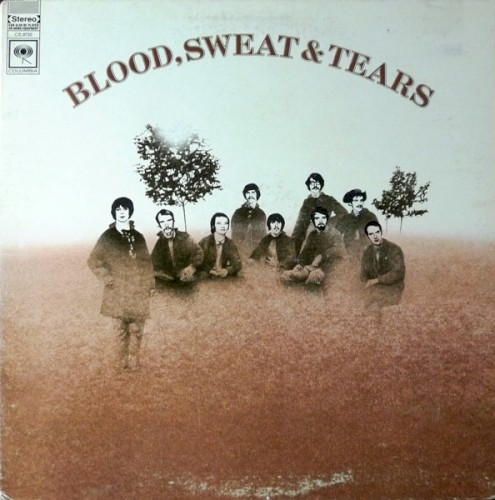
Blood, Sweat & Tears is the second album by the American band Blood, Sweat & Tears, released on December 11, 1968. It was the most commercially successful album for the group, rising to the top of the U.S. charts for a collective seven weeks and yielding three successive Top 5 singles. It received a Grammy Award for Album of the Year in 1970. The album has been certified quadruple platinum by the RIAA, with sales of more than four million units in the U.S. In Canada, the album enjoyed a total of eight weeks at number 1 on the RPM national album chart.
History
Al Kooper, Randy Brecker and Jerry Weiss had left BS&T after the first album. Founding members Bobby Colomby and Steve Katz searched for a replacement singer and selected David Clayton-Thomas. Three more musicians joined to bring the band to a total of nine members. Columbia assigned James William Guercio as producer for the album. Guercio was simultaneously working with the band Chicago.
"More and More", "Smiling Phases", and "You've Made Me So Very Happy" were among the songs that Kooper had arranged before leaving the group. Other arrangements were contributed by Fred Lipsius and Dick Halligan. The song selection was more pop oriented than the first album, with more compositions from outside the band.
The album was recorded at CBS's then state-of-the-art 30th Street Studio in New York City. The studio had just taken delivery of one of the first Ampex model MM-1000 16-track tape recorders. The new technology allowed for far more flexibility in overdubbing and mixing than the four- and eight-track studio recorders that were standard in 1968. This was among the first 16-track recordings released to the public.
An additional song, "Children of the Wind", was recorded at these sessions but left off the album. It later appeared on the compilation The Very Best of Blood, Sweat and Tears: What Goes Up!
Reception
In his AllMusic retrospective review, music critic William Ruhlmann called the players a "less adventurous unit" than on the debut album, but called the album "more accessible... It was a repertoire to build a career on, and Blood, Sweat & Tears did exactly that, although they never came close to equaling this album." In his lengthy contemporary review, Jon Landau of Rolling Stone dismissed the album, writing; "The listener responds to the illusion that he is hearing something new when in fact he is hearing mediocre rock, OK jazz, etc., thrown together in a contrived and purposeless way."
The album was voted number 660 in the third edition of Colin Larkin's All Time Top 1000 Albums (2000). It was selected for the 2006 book 1001 Albums You Must Hear Before You Die.
Personnel
David Clayton-Thomas – lead vocals except as noted
Steve Katz – guitar, harmonica, vocals, lead vocals on "Sometimes in Winter"
- Jim Fielder – bass
- Dick Halligan – organ, piano, flute, trombone, vocals
- Fred Lipsius – alto saxophone, piano
- Lew Soloff – trumpet, flugelhorn
- Chuck Winfield – trumpet, flugelhorn
Alan Rubin – trumpet on "Spinning Wheel"
- Jerry Hyman – trombone, recorder
- Bobby Colomby – drums, percussion, vocals
Production
- Producer: James William Guercio
- Engineers: Fred Catero, Roy Halee
- Arrangers: Dick Halligan, Fred Lipsius, Al Kooper
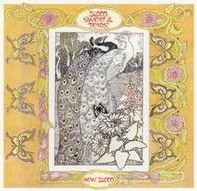
- Cover art: Timothy Quay, Bob Cato
- Photography: Harrie George
- Design: John Berg
正文摘自英文维基百科「Blood, Sweat & Tears (Blood, Sweat & Tears album)」,按 CC BY-SA 4.0 使用;删去了参考文献、外部链接、表格和图片。
资料卡
- 作品性质
- 音乐专辑
- 表演者
- 血汗泪合唱团
- 发行日期
- 1968 年 12 月 11 日
- 流派
- 摇滚乐
- 语言
- 英语
- 唱片公司
- 哥伦比亚唱片
- 制作人
- 詹姆斯·威廉·格尔西奥
资料来自 Wikidata Q804529(CC0)。
制作名单
- 厂牌
- Columbia(目录号 CS 9720)
- 录音室
- 录音:CBS 30th Street Studio(Manhattan)
制作
- 工程师
- Fred Catero、Roy Halee
- 制作人
- James William Guercio
演奏与演唱
- 鼓
- Bobby Colomby
- 打击乐
- Bobby Colomby
- 贝斯
- Jim Fielder
- 长笛
- Dick Halligan
- 风琴
- Dick Halligan
- 钢琴
- Dick Halligan、Fred Lipsius
- 长号
- Dick Halligan、Jerry Hyman
- 竖笛
- Jerry Hyman
- 吉他
- Steve Katz
- 口琴
- Steve Katz
- 中音萨克斯
- Fred Lipsius
- 富鲁格号
- Lew Soloff、Chuck Winfield(其中 9 首)、Al Rubin(第 B1 首)
- 小号
- Lew Soloff、Chuck Winfield(其中 9 首)、Al Rubin(第 B1 首)
- 演唱
- Bobby Colomby(其中 8 首)、Dick Halligan(其中 8 首)、Steve Katz(其中 7 首)
- 主唱
- David Clayton‐Thomas(其中 7 首)、Steve Katz(第 A3 首)
词曲与编曲
- 编曲
- 血汗泪合唱团、Dick Halligan(第 A1、A2、A3、A5、A6、B4 首)、Fred Lipsius(第 A2、A4、B1、B2 首)、艾尔·库珀(第 A2、A4、B2 首)
- 作曲
- Erik Satie(第 A1、B4 首)、Steve Katz(第 A3、B3 首)、David Clayton‐Thomas(第 B1、B3 首)、吉姆·卡帕尔蒂(第 A2 首)、史蒂夫·温伍德(第 A2 首)、Chris Wood(第 A2 首)、劳拉·尼罗(第 A5 首)、Arthur Herzog, Jr.(第 A6 首)、Bobby Colomby(第 B3 首)、Fred Lipsius(第 B3 首)
- 作词
- David Clayton‐Thomas(第 B1、B3 首)、吉姆·卡帕尔蒂(第 A2 首)、史蒂夫·温伍德(第 A2 首)、Chris Wood(第 A2 首)、Steve Katz(第 A3 首)、劳拉·尼罗(第 A5 首)、比莉·荷莉戴(第 A6 首)
- 词曲
- Virginia P. Bland(第 A4 首)、Maurice Dollison(第 A4 首)、Berry Gordy(第 B2 首)、Brenda Holloway(第 B2 首)、Patrice Holloway(第 B2 首)、Frank Wilson(第 B2 首)
包装与设计
- 设计 / 插画
- John Berg、Timothy Quay
- 摄影
- Harrie George
名单来自 MusicBrainz(CC0)这一发行版本的关系数据,由志愿者录入,不一定齐全。
更多资料与乐评
在哪听
血汗泪合唱团 的其他专辑
艺人页 ›
相似的专辑
同在 1968 年发行