乐单
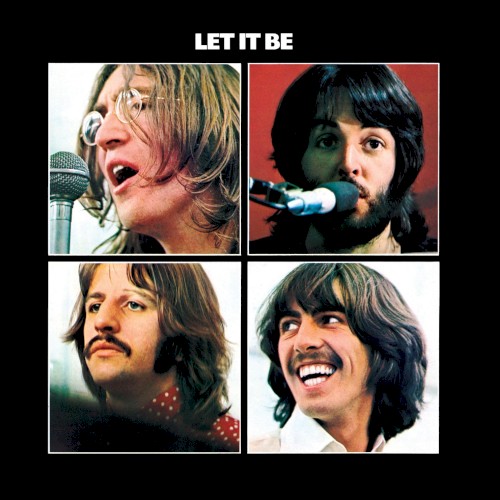
Let It Be (1970)
滚石 500(2020) #342滚石 500(2003) #86
- 艺人
- 披头士乐队
- 发行
- 1970-05-08
- 类型
- 专辑
- 唱片公司
- 苹果唱片
- 制作人
- 乔治·马丁、菲尔·斯佩克特
- 版本
- MusicBrainz 上有 50 个发行版本
曲目
- A1Two of Us3:33
- A2I Dig a Pony3:55
- A3Across the Universe3:51
- A4I Me Mine2:25
- A5Dig It0:51
- A6Let It Be4:01
- A7Maggie Mae0:39
- B1I’ve Got a Feeling3:38
- B2One After 9092:52
- B3The Long and Winding Road3:40
- B4For You Blue2:33
- B5Get Back3:09
12 首 · 约 35 分钟 · 依据 1970-05-18 US 发行的版本,在 MusicBrainz 看这个版本。
介绍
《随它去》(英语:Let It Be)又称为《让它去》,是英国摇滚乐团披头士发布的第十二张专辑,亦是最后一张录音室专辑,由制作人菲尔·斯佩克特监制。1970年5月8日,在乐团拆伙的一个月后,苹果唱片于英国发行,十天之后于美国发行这专辑。大部分的歌曲灌录于1969年1月,在《艾比路》专辑的录制和发布之前,基于这个原因,一些歌迷和评论家认为:《艾比路》才是乐团的最后一张专辑,《随它去》应该是倒数第二。
背景
1968年年末,披头士放弃了现场表演两年多后,保罗·麦卡特尼渴望乐团重返舞台表演。当年的《白色专辑》(英语:The White Album)录音环节已经看到队员间一些严重的争论,和逐渐趋向紧张的关系。麦卡特尼认为乐队因为多年没有作现场演奏,已失去凝聚力;在录音室工作偏向于个人发挥及运用复杂的音乐编排,而不是以乐团作为一个群体,有需要重新振作。
策划
这张专辑原本定名为《回来》(英语:Get Back),录音制作于1969年1月2日开始在特威克南电影工作室进行,计划会成为纪录片一部分,显示披头士准备返回舞台表演。这个项目由乐队成员保罗·麦卡特尼策划,但彩排拍摄并不顺利,队员之间产生磨擦,导致乔治·哈里森的临时离队,后来披头士撤离特威克南电影工作室。在哈里森归队之后,于1969年1月22日在苹果录音室重新开始工作,并在客席乐手Billy Preston的帮助下,完成了所有录音。单曲《I Me Mine》是披头士最后灌录的歌曲,于1970年1月3日在阿比路录音室完成。
录制
《Let It Be》专辑大部分录音工作开始于上一张专辑《Abbey Road》发行前的1969年1月,在所有录音完成之后,对于每首歌曲一遍又一遍的重复录制,产生很多不同的版本。四位队员都没有意欲在当中挑选最好的放进专辑内。它的混音及编排首先交给制作人Glyn John,但他们不喜欢这个版本,不久之后,再交到唱片监制菲尔·斯佩克特手中。最终在1970年5月8日,乐队解散一个月之后,专辑才以“Let it Be”(让它去)为名推出。
正文摘自中文维基百科「讓它去吧」,按 CC BY-SA 4.0 使用;已转为简体,删去了参考文献、外部链接、表格和图片。
英文维基百科上的更多内容(英文原文,约 2,789 字符)
Let It Be is the twelfth and final studio album by the English rock band the Beatles. It was released on 8 May 1970, nearly a month after the official announcement of the group's public break-up, in tandem with the documentary of the same name. Concerned about recent friction within the band, Paul McCartney had conceived the project as a deliberate attempt to return to the band's rock 'n' roll roots. Its rehearsals started at Twickenham Film Studios on 2 January 1969 as part of a planned television documentary showcasing the Beatles' return to live performance.
The filmed rehearsals were marked by ill feeling, leading to George Harrison's temporary departure from the group. As a condition of his return, the members reconvened at their own Apple Studio, and recruited guest keyboardist Billy Preston. Together, they performed a single public concert on the studio's rooftop on 30 January, their last public performance; three of the album's tracks were drawn from this concert. In April, the Beatles issued the lead single "Get Back", backed with "Don't Let Me Down", after which engineer Glyn Johns prepared and submitted mixes of the album, then titled Get Back, which the band rejected. As bootlegs of these mixes circulated widely among fans, the project remained in limbo, and the group moved on to recording the album Abbey Road, released in September of that year.
In January 1970, four months after John Lennon departed from the band, the remaining Beatles completed "Let It Be" and recorded "I Me Mine". The former was issued as the second single from the album with production by George Martin. When the documentary film was resurrected for a cinema release, as Let It Be, Lennon and Harrison asked American producer Phil Spector to assemble the accompanying album. Among Spector's choices was to include a 1968 take of "Across the Universe" and apply orchestral and choral overdubs to "Across the Universe", "I Me Mine" and "The Long and Winding Road". His work offended McCartney, particularly in the case of "The Long and Winding Road", which was released as a single in the US on 11 May.
Let It Be topped record charts in several countries, including both the UK and the US. However, it was a critical failure at the time, and came to be regarded as one of the most controversial rock albums in history, though retrospective reception has been more positive. In 2003, McCartney spearheaded Let It Be... Naked, an alternative version of Let It Be that removes Spector's embellishments and alters the tracklist. In 2021, another remixed and expanded edition of Let It Be was released with session highlights and the original 1969 Get Back mix, coinciding with The Beatles: Get Back, an eight-hour documentary series covering the January 1969 sessions and rooftop concert.
这部分摘自英文维基百科「Let It Be (album)」,按 CC BY-SA 4.0 使用;删去了参考文献、外部链接、表格和图片;篇幅所限只节选了前面一部分,全文见原条目。
资料卡
- 作品性质
- 音乐专辑
- 表演者
- 披头士乐队
- 发行日期
- 1970 年 5 月 8 日
- 录音地点
- The Beatles studio
- 时长
- 35 分 13 秒
- 流派
- 摇滚乐、布鲁斯、节奏布鲁斯
- 语言
- 英语
- 唱片公司
- 苹果唱片
- 制作人
- 乔治·马丁、菲尔·斯佩克特
资料来自 Wikidata Q199585(CC0)。
制作名单
- 厂牌
- Apple Records(目录号 AR 34001)
- 录音室
- 混音:Abbey Road Studios(St John's Wood);录音:Apple Studios(London);录音:Abbey Road Studios: Studio 3(St John's Wood);录音:Abbey Road Studios: Studio 2(St John's Wood);录音:Abbey Road Studios: Studio 1(St John's Wood);录音:Olympic Sound Studios(London)
制作
- 制作人
- 菲尔·斯佩克特、乔治·马丁、Glyn Johns(第 B4 首)
- 工程师
- Glyn Johns(其中 10 首)、Peter Bown(第 A3、A4、B3 首)、Phil McDonald(第 A4、A6 首)、Martin Benge(第 A3 首)、Ken Scott(第 A3 首)
演奏与演唱
- 鼓
- 林哥·史达(其中 11 首)
- 电吉他
- 乔治·哈里森(其中 10 首)、约翰·列侬(第 B1、B2、B5 首)
- 主唱
- 约翰·列侬(其中 7 首)、保罗·麦卡特尼(其中 7 首)、乔治·哈里森(第 A4 首)
- 钢琴
- 保罗·麦卡特尼(第 A3、A5、A6、B3、B4 首)
- 电贝斯
- 保罗·麦卡特尼(第 A2、B1、B2、B5 首)、约翰·列侬(第 A5、B3 首)
- 和声
- 保罗·麦卡特尼(第 A2、A4、A6、B2 首)、乔治·哈里森(第 A2、A6 首)、约翰·列侬(第 A6、B5 首)、琳达·伊士曼(第 A6 首)
- 哈蒙德风琴
- 比利·普雷斯顿(第 A5、A6、B2、B5 首)、保罗·麦卡特尼(第 A4 首)
- 罗兹电钢琴
- 比利·普雷斯顿(第 A5、A6、B2、B5 首)
- 原声吉他
- 约翰·列侬(第 A1、A3、A7 首)、保罗·麦卡特尼(第 A1、A7 首)、乔治·哈里森(第 A4 首)
- 念白
- 约翰·列侬(第 A1、A5、B5 首)
- 坦布拉
- 乔治·哈里森(第 A3 首)
- 沙锤
- 乔治·哈里森(第 A3 首)、林哥·史达(第 A3 首)、保罗·麦卡特尼(第 A6 首)
- 电钢琴
- 保罗·麦卡特尼(第 A4 首)
- 风琴
- 比利·普雷斯顿(第 B3 首)
- 膝上钢棒吉他
- 约翰·列侬(第 B4 首)
词曲与编曲
- 词曲
- 保罗·麦卡特尼(其中 10 首)、约翰·列侬(其中 10 首)、乔治·哈里森(第 A5、A7 首)、林哥·史达(第 A5、A7 首)
- 作曲
- 乔治·哈里森(第 A4、B4 首)
- 作词
- 乔治·哈里森(第 A4、B4 首)
包装与设计
- 设计
- John Kosh
- 摄影
- Ethan Russell
名单来自 MusicBrainz(CC0)这一发行版本的关系数据,由志愿者录入,不一定齐全。
更多资料与乐评
在哪听
披头士乐队 的其他专辑
艺人页 ›
相似的专辑
同在 1970 年发行